

Why is water about more than just thirst? Challenges that will reshape our view of the global crisis
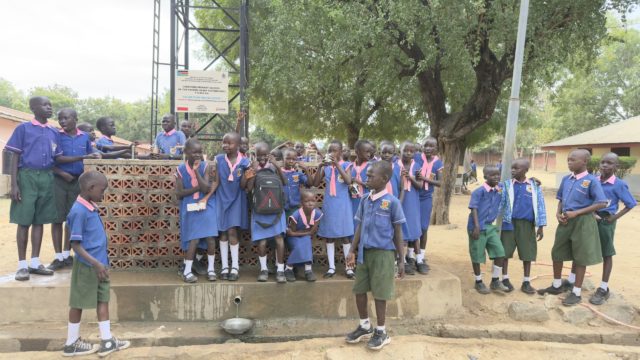
Morning in the Western world has its ritual: the sound of a coffee maker, the rush of water in the shower, or water poured from the tap into a glass. These are transparent, almost mechanical activities. For most of us, access to running, drinkable water is as natural as the air we breathe. We rarely think that behind every turned-on faucet stands a powerful engineering architecture and the privilege of climatic stability.
The clash of this carefreeness with global data triggers a painful dissonance. According to the latest WHO and UNICEF report, for every fourth person in the world – that is, 2.1 billion people—safe drinking water remains a luxury out of reach. This is not merely a logistical problem; it is a gaping hole in human rights. Water is the foundation not only of health but above all of education, dignity, and equality. Lack of water is a self-perpetuating spiral of poverty that hits those who have the least means to escape it.
Paradox of Progress
In recent years, the world has recorded success in rural areas—access to water and basic sanitation there rose from 52% in 2015 to 71% in 2024. However, this optimism fades when we look at metropolises. The same WHO report warns that amid rapid, often uncontrolled urbanization, city infrastructure has simply capitulated. We are seeing alarming stagnation in access to safe water and sanitation services there.
Population density in agglomerations without modern sewerage networks is not just a convenience issue; it is a growing epidemiological threat. Lack of investment in “safely managed services” means that water, instead of giving life, becomes a carrier of pathogens in the hearts of the world’s fastest-growing economies.
Alarm Signals
For a hydrologist, 2023 was a critical moment. World Meteorological Organization (WMO) data confirms it was the driest year for the world’s rivers in over three decades. Key hydrological systems are sending warning signals: the Amazon, Mississippi, and Lake Titicaca basins recorded record-low water levels.
Water is the “first victim” of climate change; after it, ecosystem destabilization becomes visible fastest. While rivers dry up, glaciers feeding millions of people lost the most mass in the past year since half a century ago. The disrupted hydrological cycle makes water unpredictable: we either have dramatically too little (droughts) or destructively too much (floods).
We experienced one such flood firsthand in Poland in 2024, when the destructive element hit southern Poland.
Agriculture and Export of “Virtual Water”
We often hear that agriculture consumes 70% of the world’s freshwater resources. However, it shocks that as much as 60% of that amount is wasted. The main culprits are inefficient irrigation methods and, most absurdly, the cultivation of crops unsuited to the local climate.
Countries like India, China, or the USA are exploiting their aquifers beyond regeneration limits, effectively “exporting virtual water” in the form of cotton or rice grown in extremely arid areas. Moreover, intensive fertilization and pesticides pollute what remains in groundwater, making it unfit for consumption without costly treatment.
Menstrual Taboo and the Deadly Harvest of Poor Hygiene
1.7 billion people worldwide lack access to basic hygiene services at home, including 611 million who have no access at all. This is not “just dirty hands.” It is a silent child killer. Every year, around 2 million people (mainly children) die from diarrheal diseases caused by poor sanitation conditions and lack of clean water. However, this crisis also has a hidden social dimension: menstrual health.
Data from 70 countries show that young women (15-19 years old) drastically limit their social and school activities during their period. Without private bathrooms and hygiene products, a natural physiological process becomes an insurmountable educational barrier. This is systemic exclusion that starts with the lack of one pipe in a school and ends with the wasted potential of entire generations of women.
In 80% of water-scarce households, the burden of fetching water falls on women and girls. In sub-Saharan Africa or South Asia regions, the daily multi-kilometer march for water often takes more than 30 minutes. This is time stolen from education and opportunities for professional independence.
Myth of 3 Percent and Destruction of the Planet’s “Kidneys”
We live under the illusion of abundance, looking at blue oceans. The truth, however, is brutal: only 3% of Earth’s water is freshwater, of which 2/3 is locked in glaciers. The resources we actually use are a fraction of a percent, which we are systematically destroying.
Since 1900, we have lost half of the world’s wetlands. This is a catastrophe because wetlands are the planet’s “natural kidneys.” They filter water and play a key role in retention, protecting us from drought effects. Their destruction, combined with glacier melting, threatens the long-term water security of billions of people who have no Plan B.
Goals vs. Reality
The UN has set a 2030 goal stating that every person in the world should have access to clean water and sanitation conditions. Achieving this today requires not evolution but a dramatic acceleration. As an international community, we must act on two tracks.
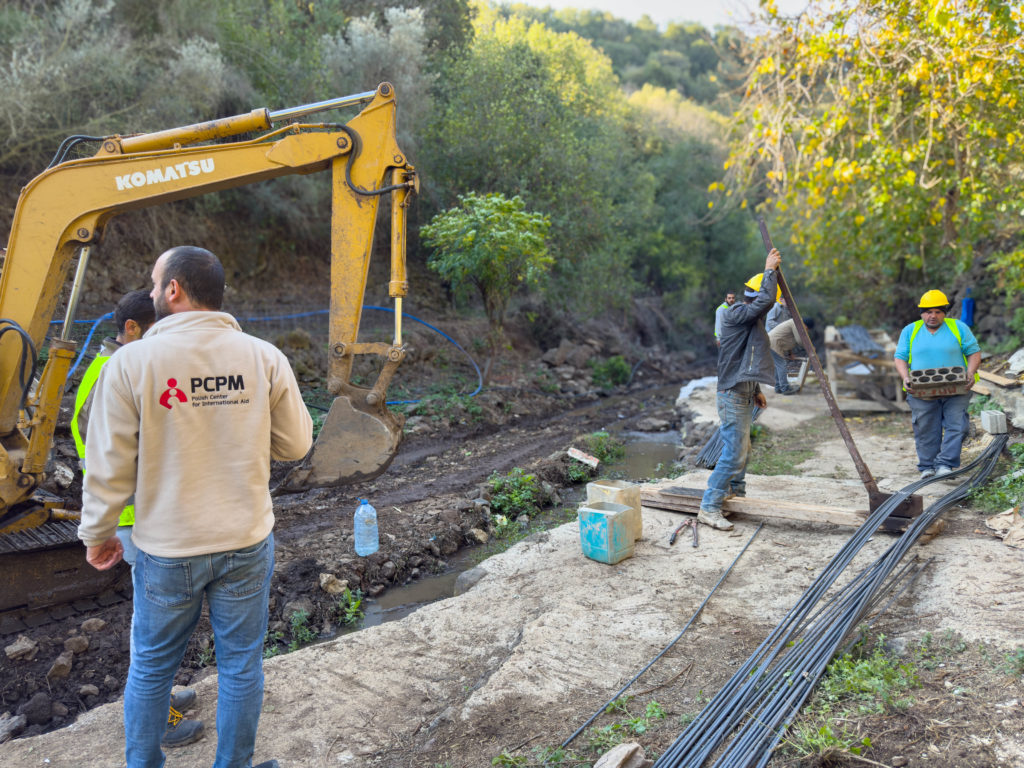
On one hand, we need immediate aid, effectively provided by organizations like the Polish Center for International Aid (PCPM). Examples include building wells in a school in South Sudan or sanitation facilities in a clinic in Gordhim in the same country. Another example is constructing a wastewater treatment plant with connections to the sewerage system in Lebanon. On the other hand, systemic reform is necessary, as advocated by the World Bank: fair water tariff management, protection of strategic aquifers, and massive investments in storage infrastructure, such as building 61 dams in Indonesia.
What is a standard for Poles is an unattainable dream for every fourth Earth resident. We can change this by supporting humanitarian organizations and demanding bold reforms from decision-makers. Because water is not just thirst—it is a right to the future.


