

More aid than a year ago – food for children in South Sudan
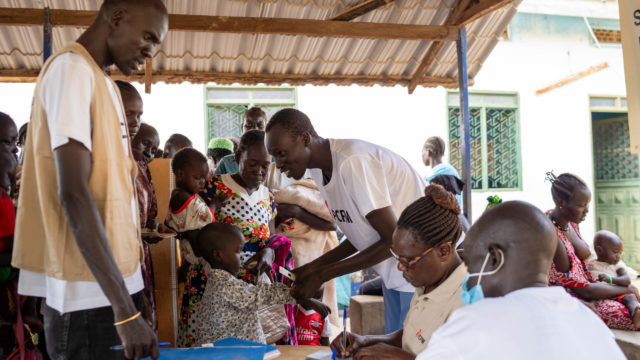
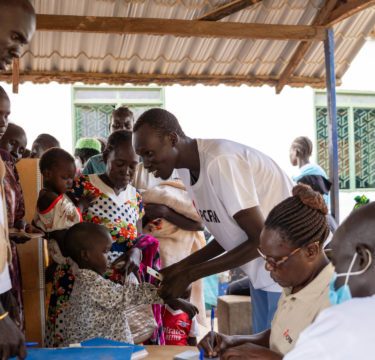
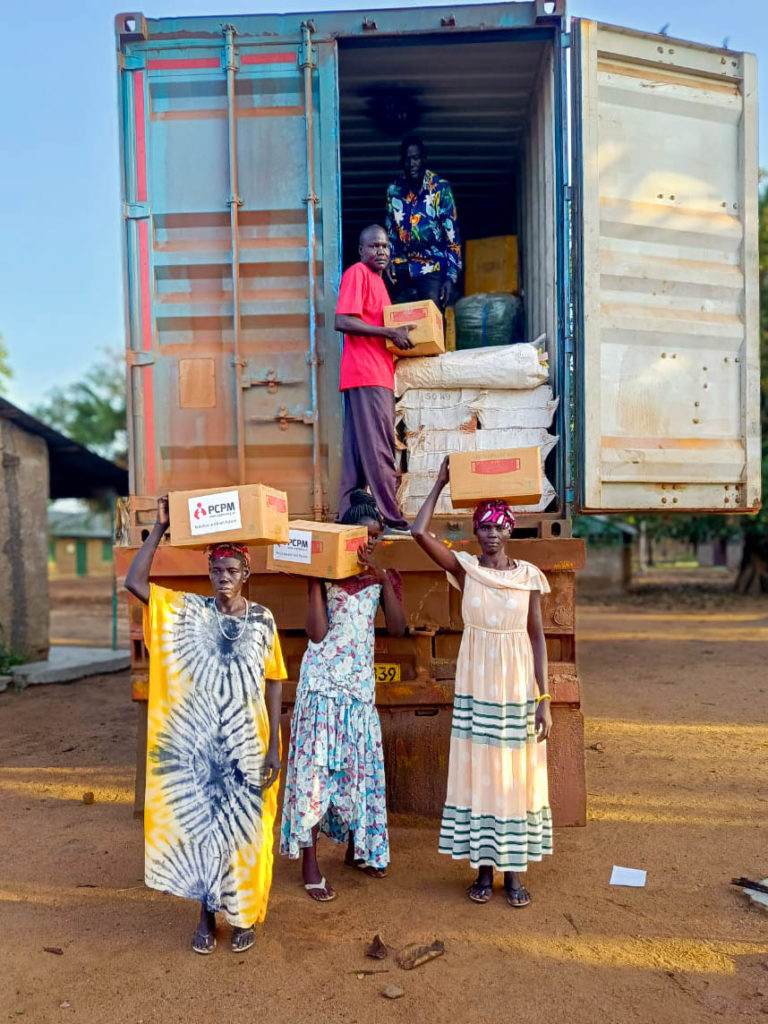
Thanks to the support from people in Poland, another shipment of therapeutic food has reached South Sudan. Through the fundraiser, we purchased 550 cartons, each containing 150 portions, totaling 82,500 sachets of high-calorie paste that saves the lives of malnourished children. Thank you, we managed to buy 83% more food than last year!
The shipment traveled a long route. It started with the collection in Poland, followed by about 2,000 kilometers over 4 weeks on the road. We deliver the food by land: from Kenya through Uganda to South Sudan. The final stretch from the capital to the Nutrition Center in Gordhim is nearly 1,000 kilometers. There are virtually no paved roads on this section. Truck drivers navigate floodplains, get stuck in mud, and ford rivers without bridges. The Nutrition Center in Gordhim is the only facility within hundreds of kilometers where small malnourished children receive free help: therapeutic food, milk, and medications.
This is how we’ve been helping in Gordhim for 9 years, thanks to everyone supporting our fundraiser. Thank you!
It won’t solve the entire crisis, but locally it makes a huge difference over the coming weeks, children will have access to food, and their condition won’t worsen. South Sudan is one of the countries most affected by hunger in the world. This isn’t a temporary problem that arises occasionally it’s been ongoing for years due to overlapping factors: armed conflicts, forced displacements, droughts alternating with heavy rains, and lack of state stability.
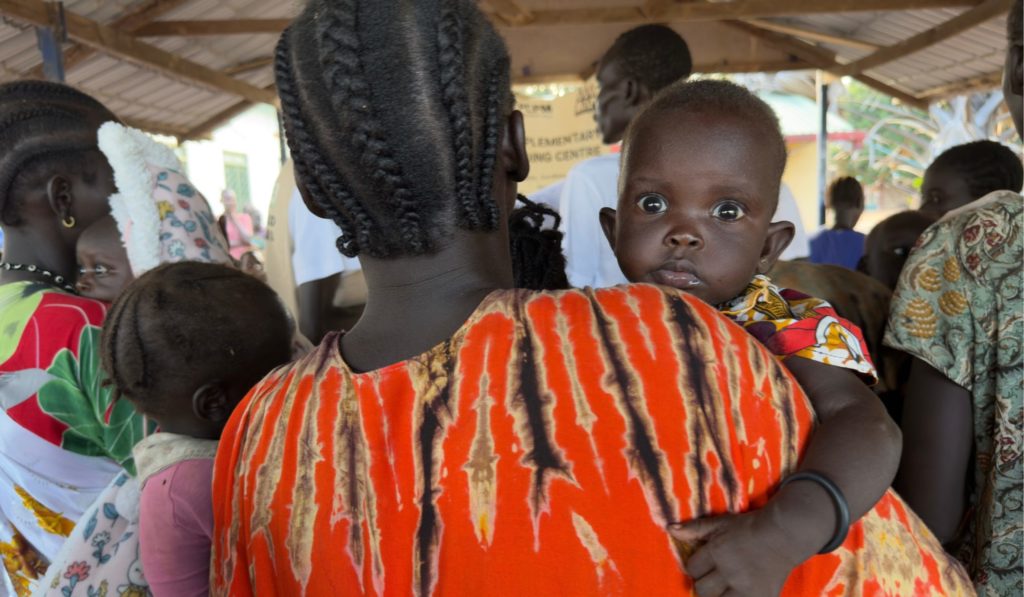
“One shipment won’t solve hunger in South Sudan. But in places like this, it really makes a difference: it gives children time and a bit of stability to get through the worst moment. Behind all these numbers is always a specific child and a very short timeline: measured in days rather than months,” explains Aleksandra Mizerska, Regional Director of the PCPM Foundation in East Africa.
According to World Food Programme data, over 7.6 million people in South Sudan currently lack access to ingredients for even a basic meal. This means more than half the country’s population lacks stable food access for most days of the year.
These facts rarely make headlines, and these numbers though each hides a specific person’s story are easy to overlook. It’s also hard to imagine how people cope with this problem. That’s why we write about Gordhim so often. There, lack of food means daily decisions: who gets help now and who must wait; who still has strength and who doesn’t. In such conditions, the smallest and most concrete things matter a single sachet of therapeutic paste, allowing stable condition for another week.
The Nutrition Center also received a stock of powdered milk, which at current demand should last the first six months. That’s 62 cans of 2.5 kilograms each, totaling 155 kilograms. Thanks to the generosity of those who supported the fundraiser, we bought 30% more milk than last year.
According to the Food and Agriculture Organization, over 2 million children in South Sudan suffer from malnutrition. In reports, it’s just one of many numbers; in reality, it hides child bodies that don’t grow, don’t recover, and lack strength to fight even the simplest illnesses.
A crisis of this scale can’t be solved by one action. But its effects can be gradually reduced: portion by portion, shipment by shipment. In such places, the difference between action and inaction isn’t abstract. It’s very concrete and measurable: in kilograms of food, number of portions delivered, or simply whether someone survives another week


