

Lebanon continues to count victims after Israeli bombardment of residential areas in Beirut
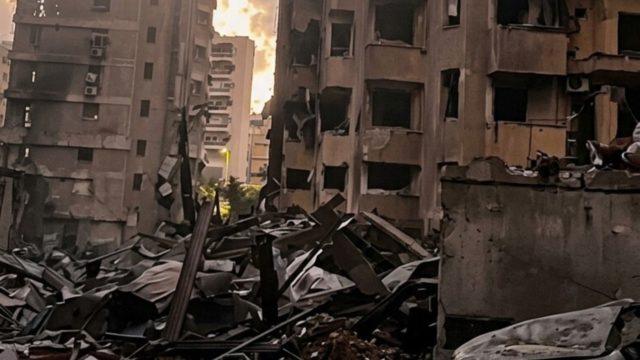
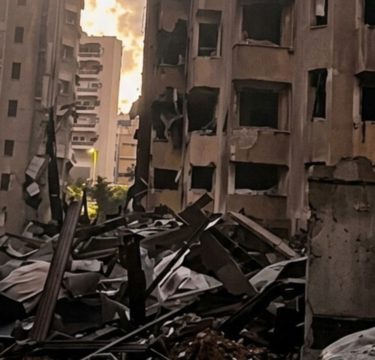
Lebanon is still counting the victims following Israeli bombardments of residential neighborhoods in the country’s capital, Beirut, and other towns in the south. According to the latest data from the Lebanese administration, more than 2,000 people have been killed, including women and children, and nearly 6,500 civilians have been injured.
Last week, the world once again witnessed Israel, in violation of international law, bombing residential buildings, hospitals, and schools without prior warning. Civilians are once again paying the highest price in the armed conflict unfolding in the Middle East.
Despite the announcement of a two-week ceasefire between Iran and the United States, the Prime Minister of Israel stated that it does not apply to Lebanon. For many Lebanese people, this was a hope for at least a brief respite, which ultimately did not materialize. Bombs once again fell on Beirut. Airstrikes were carried out on densely populated cities such as Baalbek in the Bekaa Valley, as well as across the entire southern part of the country. On Wednesday, April 9, 2026, within just ten minutes, Israel attacked more than one hundred sites without warning, dropping bombs also in places where refugees were seeking shelter. Since March 3, 2026, the number of internally displaced persons has exceeded 1,300,000. More than 2,000 people have been killed, and the number of injured is estimated at around 6,500. These figures continue to rise with each new bombardment.
The Lebanese Ministry of Health reported that the number of fatalities in the past week has risen to over 2,000, with more than 6,500 people injured. The day after the largest Israeli bombardment in Lebanon, a national day of mourning was declared, describing the previous day’s events as a “massacre of the Lebanese population.” Footage circulating on the internet and television showed rubble in major cities and long lines of ambulances heading toward the Rafik Hariri Hospital in Beirut. Appeals were made for blood donations, which were urgently needed to treat the wounded. The Polish Centre for International Aid (PCPM) also received recordings from its staff on the ground, illustrating the scale of the destruction. One of these accounts was a recording by a former employee of the organization in Lebanon who was in the capital at the time of the attacks:
“Today in Beirut resembled the day of the port explosion on August 4, 2020. The city was filled with the constant sounds of aircraft and explosions. Buildings trembled, sirens of ambulances and car horns were heard everywhere, and scenes of massive destruction were visible throughout Beirut. People were desperately searching for their loved ones among the rubble, while overcrowded hospitals appealed for blood donations. According to reports, more than 200 people were killed, many children were unable to find their parents, and numerous families lost loved ones, homes, and sources of livelihood. Fear and terror were visible in people’s eyes. The sound of drones and aircraft still echoes over Beirut, and a deep sense of anxiety grips the entire city and the country. It was one of the heaviest and most brutal days, made even more painful by the fact that people had awakened with hope for peace and a return to their homes, believing that the war had ended. Unfortunately, today’s reality proved to be catastrophic.”
One of the fundamental principles of international humanitarian law is the obligation to conduct hostilities with respect for the protection of the civilian population. This includes, in particular, the requirement to distinguish between military and civilian targets, to avoid attacks that cause civilian casualties, and to take all feasible precautions to minimize such harm. Military actions carried out by Israel, considered by the international community – including the UN Security Council and examined by the International Criminal Court in The Hague – as war crimes and crimes against humanity, have become a dystopian daily reality for Palestinians and Lebanese alike. Nevertheless, the scale of the attacks in the past week has shocked not only Lebanese society but the entire world. We remain committed to continuously informing about developments in Lebanon. All eyes of the world should be focused on the Middle East, especially when vigilance is lulled by temporary ceasefires.
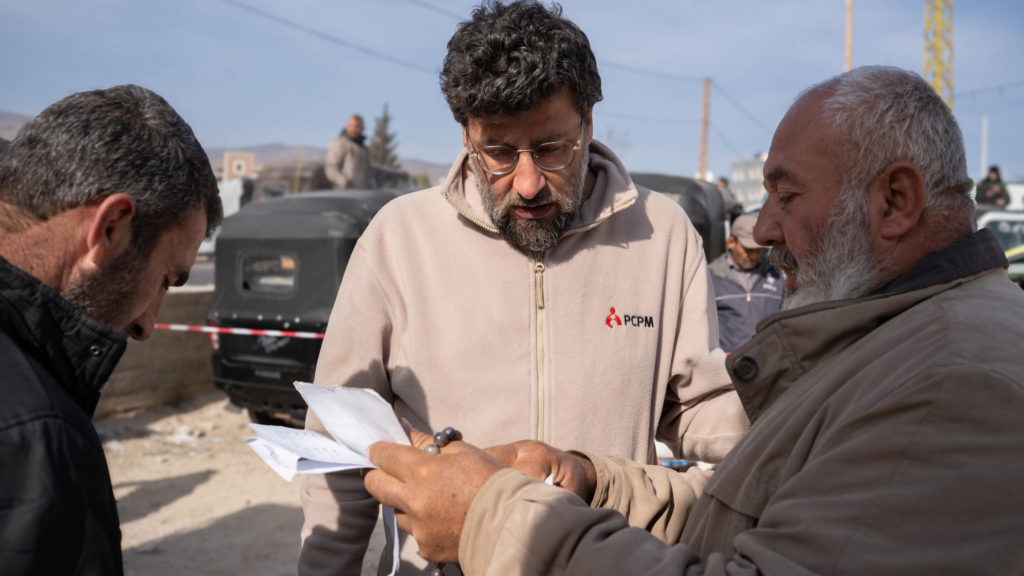
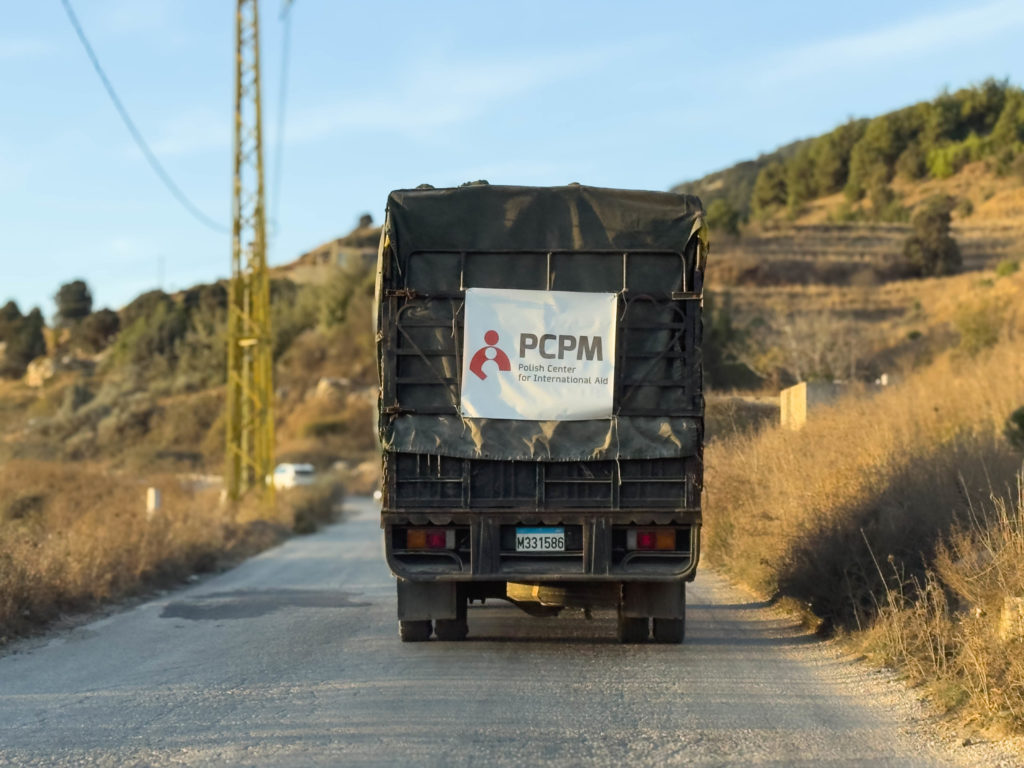
The Polish Centre for International Aid (PCPM) has been present in Lebanon for many years. Staff of the Polish foundation provide assistance to those in need – initially to victims of the war in Syria, later during various crises in Lebanon, and currently also to those who have been forced to flee their homes due to the bombardments. Support for PCPM’s activities can be provided through pcpm.org.pl/lebanon or by entering the KRS number 0000259298 in the annual Polish tax return (PIT) and selecting the specific purpose of assistance.


