

Diploma recognition is helping them start a new life
Escape from war deprived them not only of their homes but also of their professions. Thanks to the support of the PCPM Foundation, Ukrainian educators are going through the diploma recognition (nostrification) process and returning to the work they love. Here are the stories of three of them.
Giennadij, 61 years old · biology teacher · Donetsk region
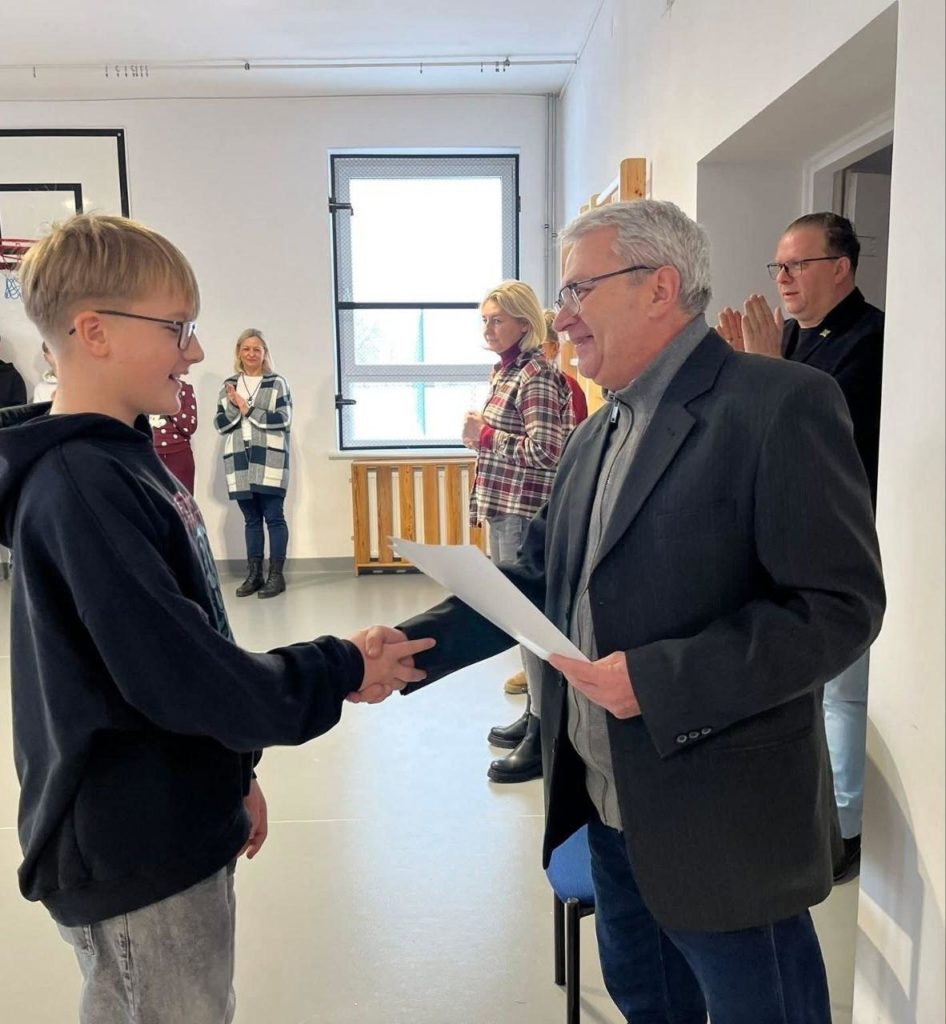
When he left the Donetsk region with his family in 2022, he worked in Poland on a turkey farm, cleaned housing estates, tried his hand in the ventilation industry and at the post office. Hard, poorly paid work — far from what he had devoted his entire life to.
“The work was dirty, hard, dusty, and poorly paid. After a whole life spent in school, I decided to return to my former profession.”
Tetiana Nechaj · Ukrainian language teacher and speech therapist · Kryvyi Rih
Her dream of returning to school came true. On February 23, 2022, she calmly prepared her lessons and went to sleep. In the morning, she was awakened by her mother’s words: “Tetiana, the war has started.” Her husband — a former soldier — within a few hours reported to the military recruitment office. Her daughter, studying in Berdyansk, found herself under Russian occupation. Tetiana, alone with her three children, set off across Ukraine — 800 kilometers in five days, sleeping in strangers’ homes and churches.
In Poland, she immediately started working — stocking shelves in a shop. Physical exhaustion helped her fall asleep. In the morning, she checked her text messages. Her husband wrote rarely, briefly: “I am alive.” In May 2022 he called from the hospital — he had been wounded. He lost hearing in one ear but returned to service.
“Every day I hoped that this war would finally end and I would return to my beloved work at school.”
When she learned that it was possible to work as a teacher in Poland, she began looking for such an opportunity. That is how she came across PCPM. The foundation paid for her studies, and when it turned out that the university required nostrification — which often costs more than the studies themselves — PCPM also covered this cost.
“I would not have managed on my own.”
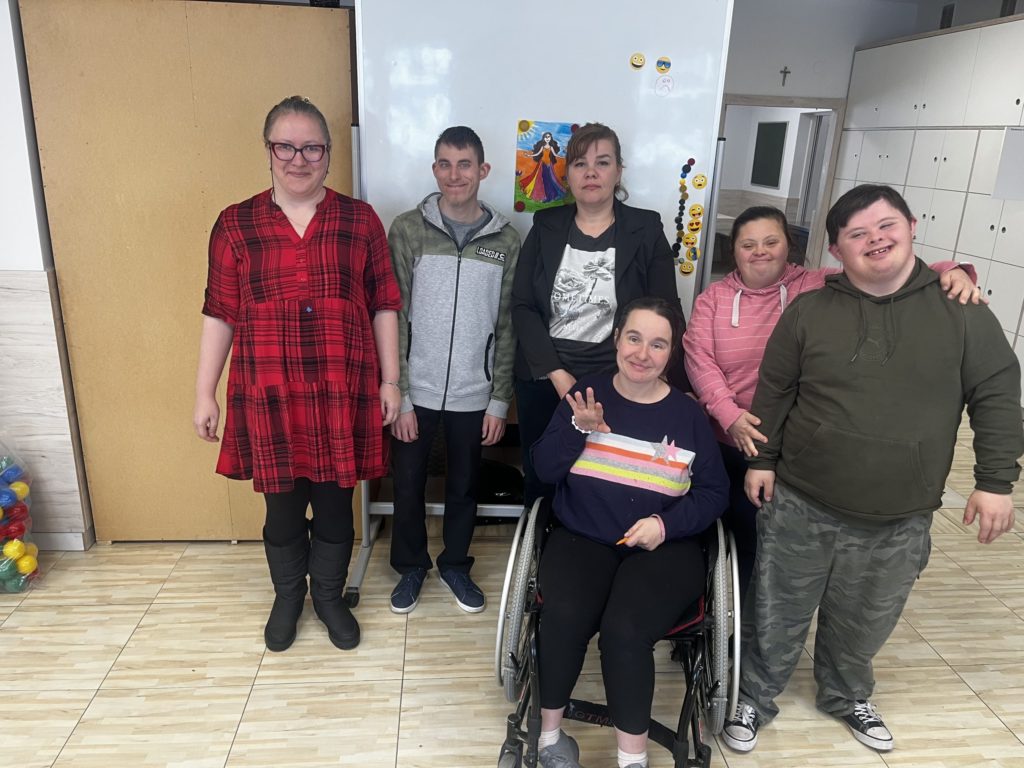
Today Tetiana works as a teacher in a Community Self-Help Centre — a facility for adults with disabilities. In six months she will finish her studies. The school management is already waiting for her to take a position as a special education teacher.
Anna Martyniuk · English teacher · co-owner of language schools
For the first few days after crossing the border, whenever she was asked for help, she gave the same answer: she did not need anything — only the opportunity to work. In Ukraine, she and her family ran language schools for children and young people. Teaching English was never just a job — it was a way of life.
For some time she worked in international corporations. Valuable experience, but something was missing — the energy of children, the sense of purpose that comes from being a teacher. Only thanks to PCPM was she able to start a new chapter in her life.
“This was not only a formal step — it became a symbol of a new beginning in my life.”
The foundation financed her diploma recognition at Maria Curie-Skłodowska University in Lublin and postgraduate studies in pedagogical preparation. She passed the state Polish language exam at B2 level.
“Thanks to PCPM, I met many dedicated teachers who truly love what they do and continue to inspire me.”
Today she teaches English to future educators at a university and works in a bilingual kindergarten, where she implements a bilingual approach in early childhood education.
Three people. Three different escape routes, three different specialisations, three different starting points in Poland. What connects them is one thing: the teaching profession and the determination to return to it. The nostrification procedure in Poland is time-consuming and costly. For refugees starting from scratch, it can be an insurmountable barrier.
The PCPM Foundation, together with CARE, is making that barrier disappear. This is support that does not replace effort, but enables it: it provides tools so that people can stand on their own feet again and do what they are good at.
When Giennadij learned that there is a shortage of qualified teachers in Poland and that there is a foundation helping Ukrainians regularise their diplomas, he applied to the Polish Center for International Aid. The result? In August 2024, his Ukrainian master’s degree was officially recognised in Poland.
“It was a miracle.”
The foundation financed his language courses and a beginner teacher training course in biology. Today he is completing postgraduate studies in pedagogical preparation. In 2025, after nearly six months and around 80 applications, he was invited to an interview at a rural school. He immediately accepted the offer — even if only as a one-year substitute, because he wanted to gain invaluable experience in the Polish education system. Now he is looking for a permanent position and dreams of further postgraduate studies.


