

International Women’s Day 2026
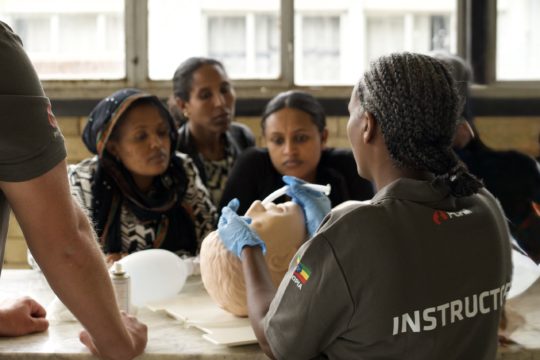
International Women’s Day is above all a celebration of women’s rights, achievements, contributions, and the vital role women play in society. In countries affected by poverty, humanitarian crises, natural disasters, and war, women – alongside children, older people, and persons with disabilities – are among the groups most vulnerable to hardship and violence.
March 8 should therefore not simply celebrate women as a gender, but rather highlight how much work still remains to be done in advancing women’s rights worldwide. It is important to remember the many challenges and threats women face every day in conflict-affected countries, as well as in societies where the struggle for equality is only beginning to take shape.
That is why it is essential not only today, but every day, to increase the visibility of this half of the world’s population. These women are refugees, single mothers raising children alone, but also soldiers, firefighters, and medical workers. Communities continue to function because of them – women provide safety, support families, and run households. At the same time, they contribute to healthcare systems, fight for the freedom of their countries, and advocate for women’s rights, greater representation, and access to healthcare.
Ukraine
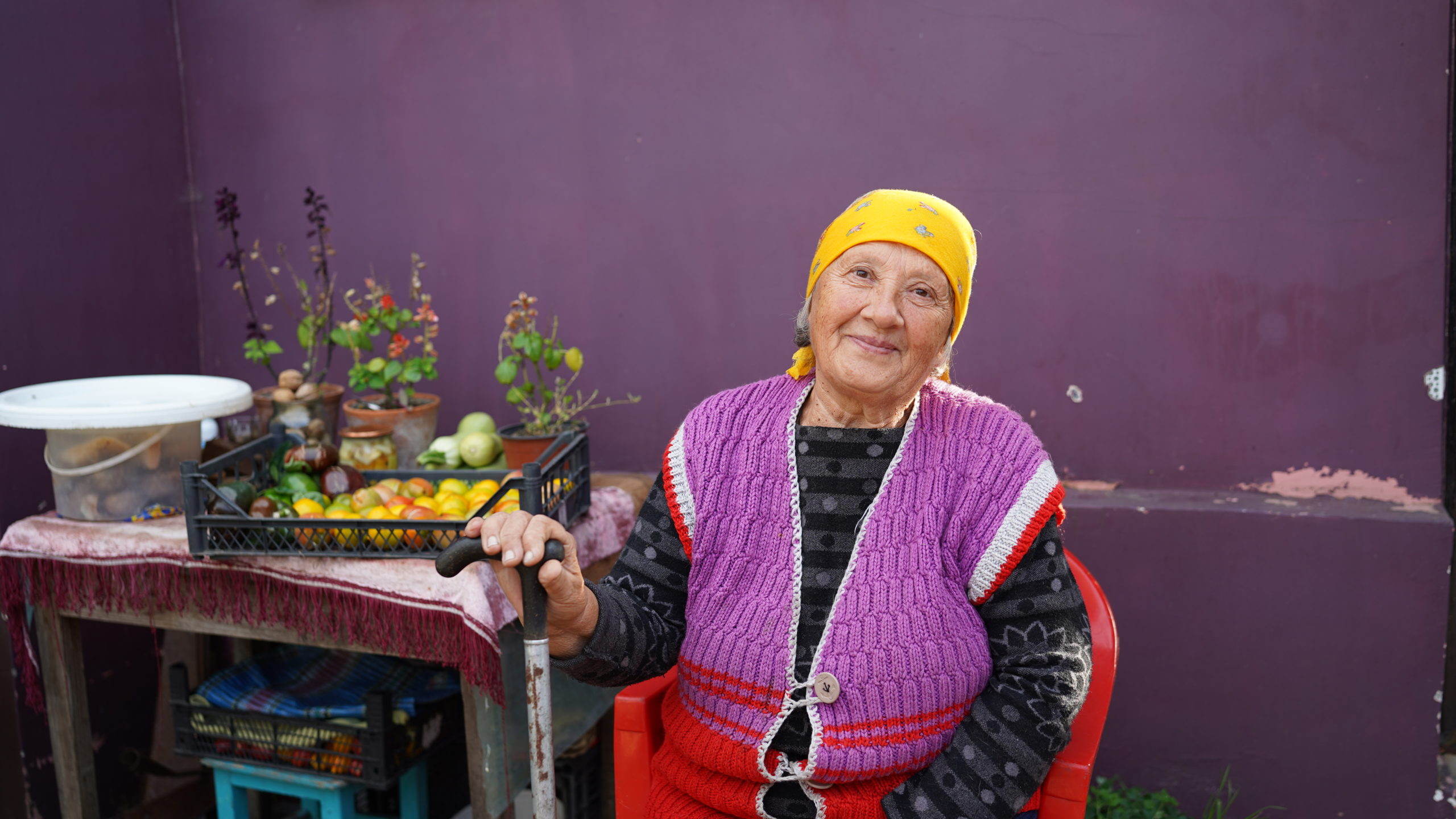
Women in Ukraine have had the right to vote since 1919, a date widely regarded as a symbolic milestone in the history of the struggle for equality. Today, their daily lives are marked by war, displacement, and separated families. Despite these realities, women remain deeply involved in local communities, schools, and hospitals, while raising children and running businesses. Women also make up a significant part of the Ukrainian armed forces, fighting as soldiers for the freedom of their country.
During wartime, many women cultivate vegetables and manage farms on their own, giving them a sense of independence and control over daily life. In previous years, PCPM implemented a project distributing seeds to more than 2,000 families, supporting their self-reliance. Despite extremely difficult living conditions near the front lines, women continue to play an active role in strengthening the resilience of their families and communities. The true strength of women is often revealed in everyday actions – in their ability to shape their own lives and support one another.
The Gambia
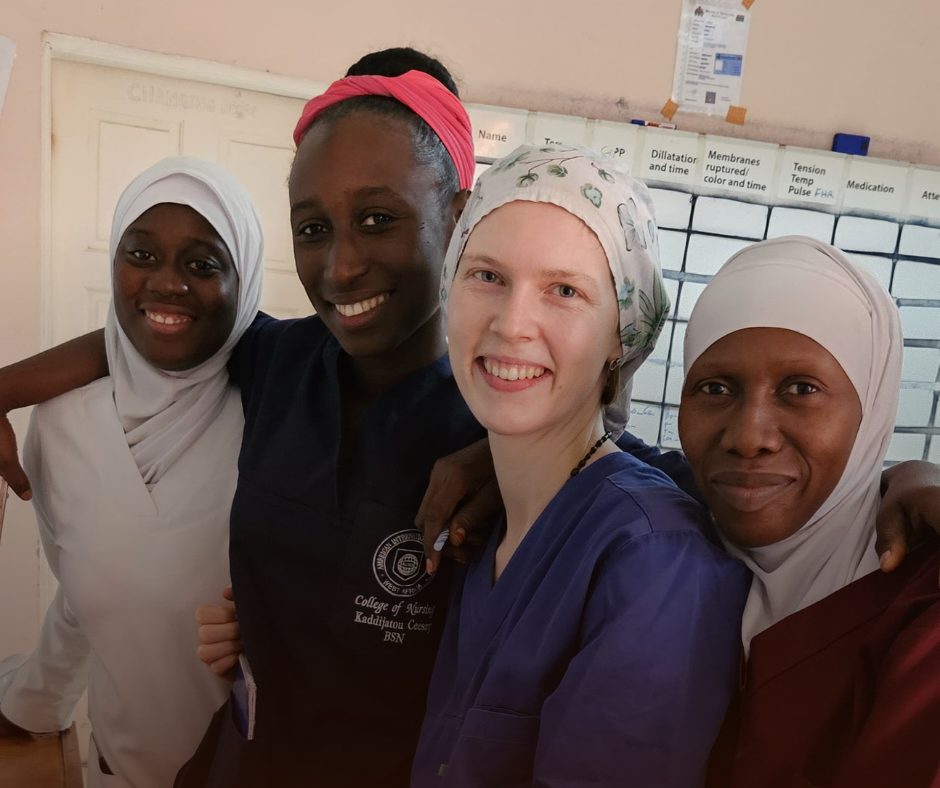
Women in Gambia gained the right to vote in 1960, even before the country officially achieved independence. A major step forward in protecting women’s rights came with the Women’s Act of 2010, signed by former president Yahya Jammeh. The law was designed to strengthen protections already guaranteed under the constitution. Although women are not formally excluded by law in many areas, social and cultural norms continue to hinder real equality.
While women are not legally barred from participating in politics, traditional expectations regarding gender roles often limit their active involvement in political decision-making and public life.
One of the most urgent challenges remains healthcare, particularly reproductive health and access to prenatal and maternal care. Many women, especially in rural areas, lack access to clinics and qualified medical personnel. The situation is worsened by high poverty rates, limited transportation, and inequalities in education, all of which restrict women’s ability to make independent healthcare decisions. As a result, maternal and newborn mortality rates remain high, prenatal diagnostics are limited, and access to postnatal care and family planning is insufficient.
In this context, the words of Agata Tylkowska, a midwife from the PCPM Emergency Medical Team, are especially meaningful. After returning from a mission at the Mother and Child Hospital in Bundung, she reflected:
“Safe childbirth should not be a privilege, but the right of every woman – regardless of where she lives.”
Women in The Gambia also face another extreme form of violence: female genital mutilation (FGM). Until 2015, women had little real influence over decisions concerning their own bodies. One organization dedicated to addressing this issue is Safe Hands for Girls, founded in 2013 by Gambian activist Jaha Dukureh. The organization focuses on education, public awareness campaigns, and combating FGM, supporting women and girls both locally in Gambia and globally through advocacy work.
Thanks to the efforts of organizations such as Safe Hands for Girls, Gambia introduced a ban on FGM in 2015 – an important step in protecting the health and rights of girls. However, in 2024 an attempt was made to repeal the ban through a new bill that sought to decriminalize FGM and recognize it as a cultural or religious practice. Parliament ultimately rejected the proposal, maintaining the existing ban.
Lebanon
Lebanese women gained the right to vote in 1952. For decades, activists and feminists have helped shape Arab movements advocating for women’s rights, calling for women’s active participation in social and political life, equal access to education, freedom of speech, and universal healthcare.
“Education is a woman’s weapon” – says Umm Omar, the mother of a one-year-old boy. Due to difficult life circumstances, she was forced to give up her dream of becoming a nurse and instead take temporary work in agriculture.
Thanks to financial support from PCPM, she now has the opportunity to return to school and pursue her dream of working in healthcare once again. Her story demonstrates the immense importance of education – not only as a path toward personal growth, but above all as a route to independence and control over one’s own life.
Syria
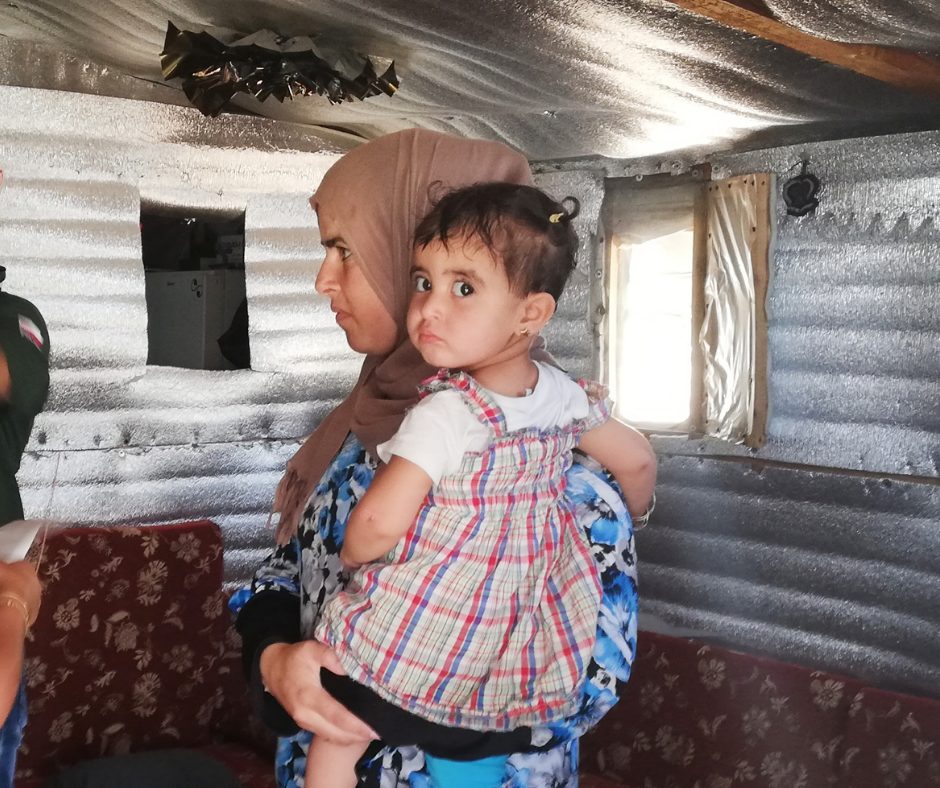
Women in Syria have had the right to vote since 1953. War and forced displacement have dramatically changed their lives, and many women have taken on new responsibilities within their families and communities. Every day, they face a severe humanitarian and security crisis worsened by more than a decade of conflict.
“I lost my husband, and we had neither a car nor even a donkey. So we walked from Homs in Syria to Hermel in Lebanon,” recalled one refugee we spoke to in September 2025.
More than 90% of Syrian women live below the poverty line. They experience gender -based violence and have limited access to healthcare, particularly in the northwestern part of the country. Although women formally have equal rights, in practice they often face systemic discrimination and bear the heaviest consequences of the economic crisis, frequently becoming the sole heads of households.
Palestine
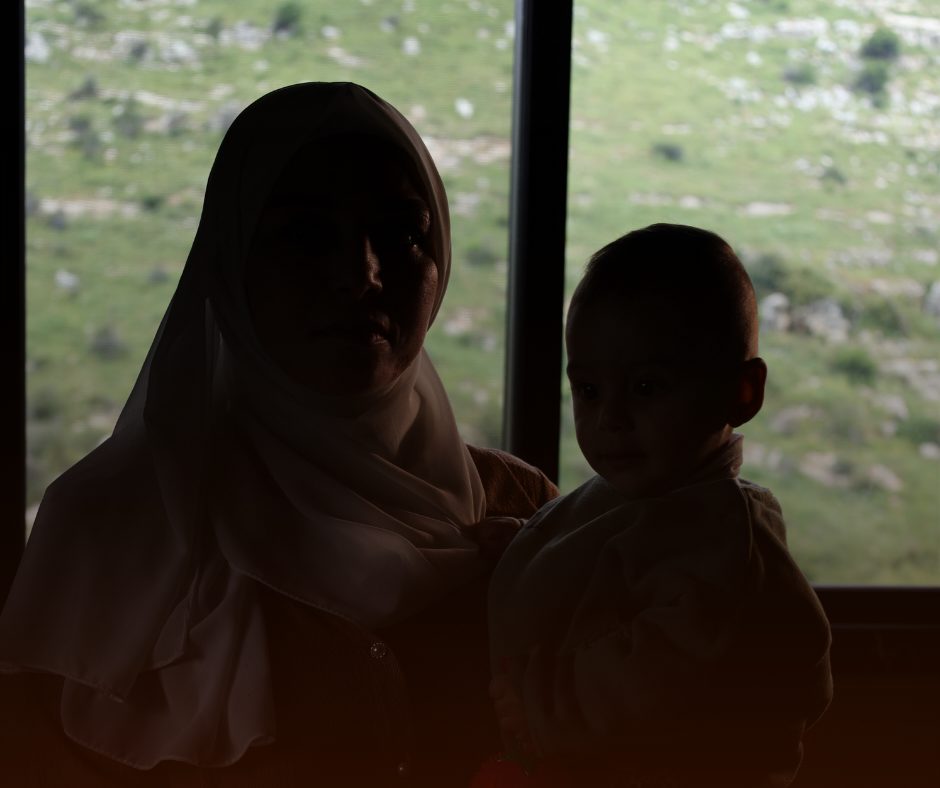
Although Palestinian women gained the right to vote in 1946, they had already been actively involved in social and political movements since the 19th century, organizing against occupation and colonization.
In 1929, women in Jerusalem established the Arab Women’s Association of Palestine, bringing together Muslim and Christian Palestinian women. Its main demands included participation in public life and equal social treatment. That same year, the organization hosted the First Palestinian Arab Women’s Congress, attended by around 200 participants. It became the first international women’s conference in the Arab and Islamic world.
Palestinian women’s organizations operate under the realities of occupation and face additional forms of systemic violence. One of the greatest challenges remains restricted access to healthcare. In many communities in the West Bank, reaching hospitals or clinics is difficult or impossible, and for some communities mobile clinics are the only source of healthcare, medicine, and basic medical assistance.
At the same time, Palestinian women play a key role in the healthcare system itself – they make up more than half of all workers in the health and social care sectors and form the majority of staff in professions such as nursing and pharmacy.
Tanzania
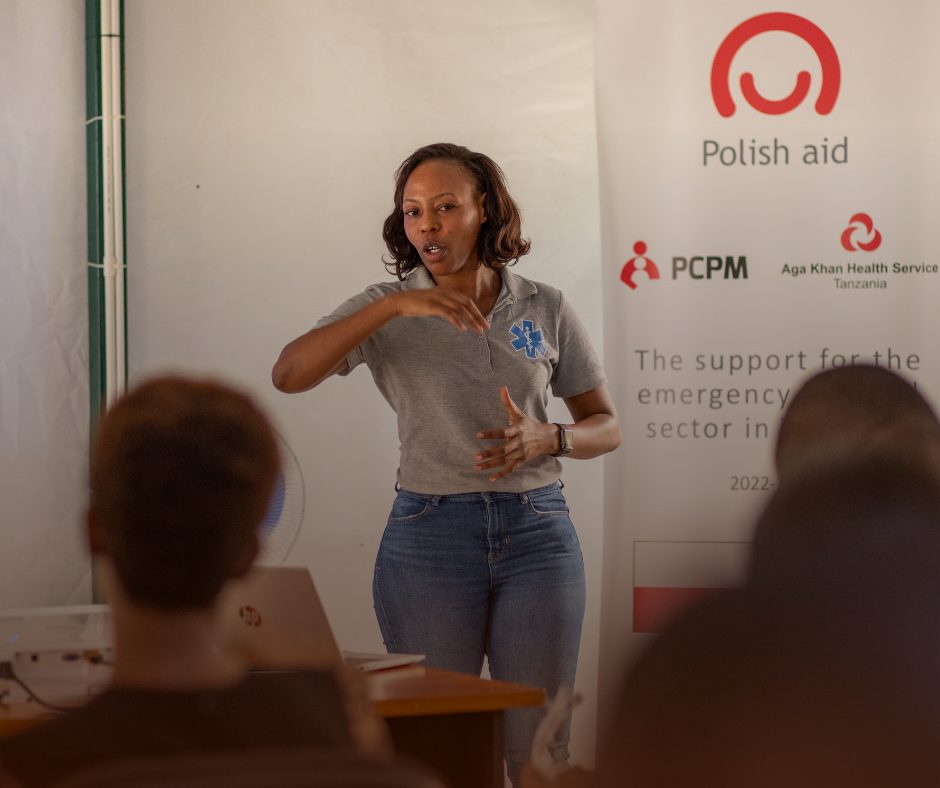
Women in Tanzania were already voting in 1959, before the country gained independence. Despite progress in recent decades, women in many regions still face barriers in education, healthcare, and access to financial resources.
One of the country’s most important women’s rights movements is the Tanzania Gender Networking Programme (TGNP), founded in Dar es Salaam in 1993. The organization focuses on gender equality, social justice, and community mobilization, significantly increasing public awareness of women’s roles in Tanzania’s economic and political development.
At the same time, women continue to face serious challenges, including gender-based violence, economic inequality, and limited access to education. Gender stereotypes make it more difficult for women to enter professions traditionally considered “male” and limit their participation in public life.
Ethiopia
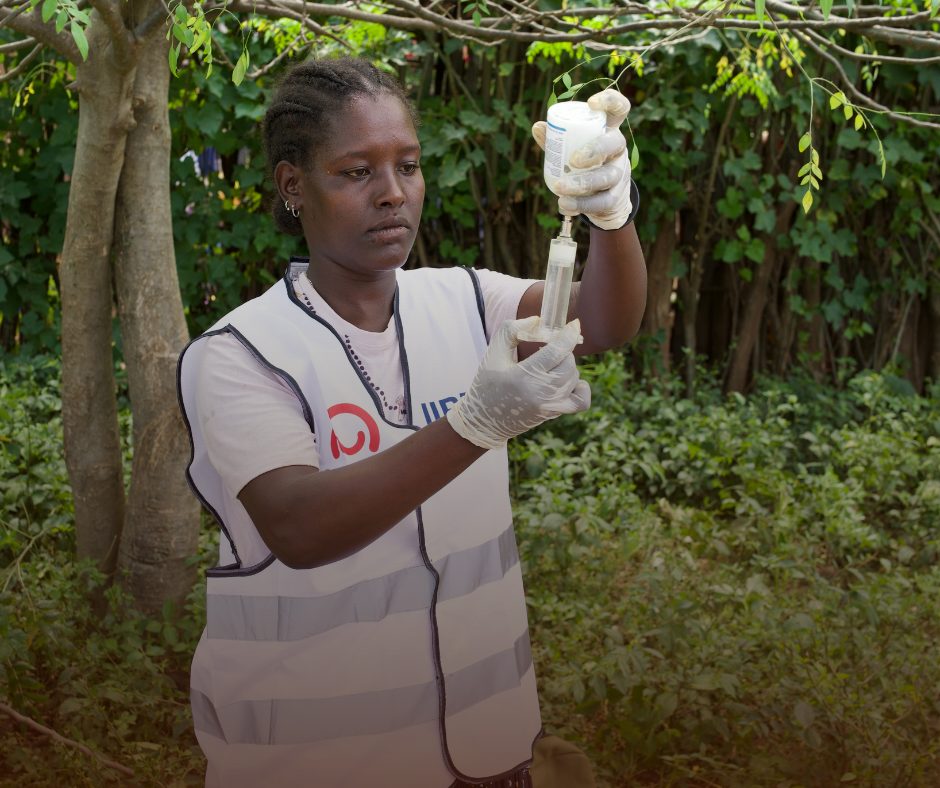
Women in Ethiopia have had the right to vote since 1955. They continue to struggle with poverty and limited access to education, while also playing a crucial role in supporting families and local communities.
“I took on the responsibility entrusted to me by my community. I motivated myself to take part in the training, and I succeeded. Now I work for my people,” says Goleghn Beholi from the Bodi community, who received basic veterinary training through a PCPM project. She is now part of a 40-person team vaccinating cattle, which represent the highest form of wealth within the local community. Her story symbolizes slow but meaningful social changes that allow women to engage in work traditionally reserved for men.
Kenya
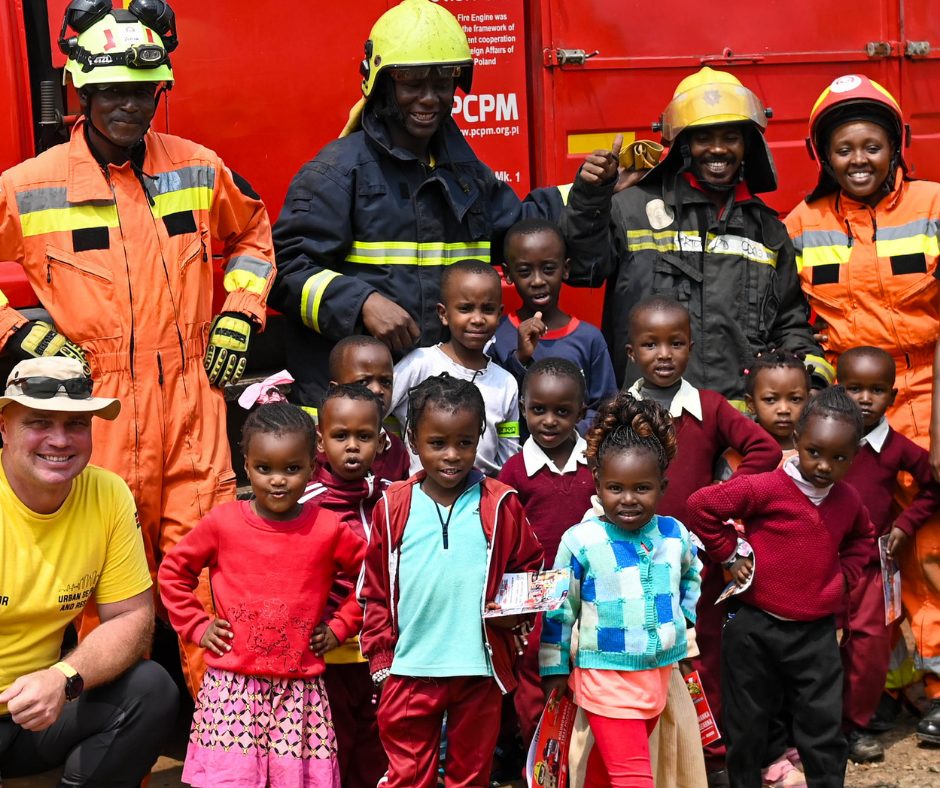
Kenyan women have had voting rights since 1963. Increasingly, they are taking on leadership positions within communities and entering professions traditionally dominated by men. One example is the emergency response team in Kiambu trained by PCPM, where more and more firefighters are women.
PCPM training sessions also attract a growing number of girls who aspire to work in healthcare in the future. This is an important sign that women can succeed in professions historically reserved for men.
South Sudan
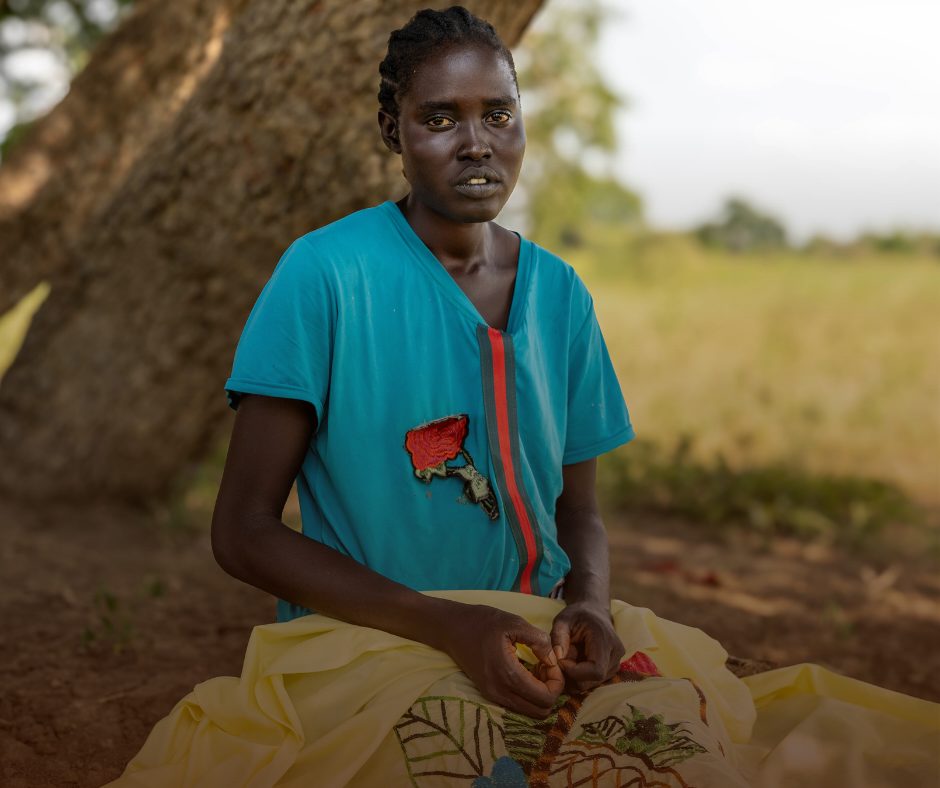
Women in South Sudan have formally held voting rights since the country gained independence in 2011. In reality, however, they live within a deeply patriarchal society affected by conflict and humanitarian crises.
Women ensure the everyday functioning of families and communities. To outside observers, their resilience appears extraordinary – to them, it is simply daily life.
Organizations such as the South Sudan Women Empowerment Network and the Association of Media Women in South Sudan work to improve women’s situations by supporting education, economic empowerment, and women’s participation in public debate.
Although such initiatives offer hope for change and development, for most people in South Sudan the immediate priorities remain safety, access to food, and healthcare. This powerfully illustrates that women’s rights are inseparable from fundamental human rights.
Wishes for 2026
The stories and experiences from Ukraine, The Gambia, Lebanon, Syria, Palestine, Tanzania, Ethiopia, Kenya, and South Sudan demonstrate that the struggle for women’s rights is not an abstract idea or a symbolic topic discussed once a year. It is a real and ongoing part of everyday life. The form this struggle takes depends on geographical, political, social, and cultural contexts. In most of the stories we witness, it is above all about everyday courage, resilience, and determination in the face of extreme hardship – from war and humanitarian crises to poverty and systemic inequality.
International Women’s Day reminds us that equality and women’s rights must be the foundation of every just society – in every country and every culture. This day should inspire action not only on March 8, but throughout the entire year, so that every voice, every initiative, and every woman can be seen, heard, and supported.
As we celebrate women today, let us remember that their rights remain an inseparable part of human rights.


