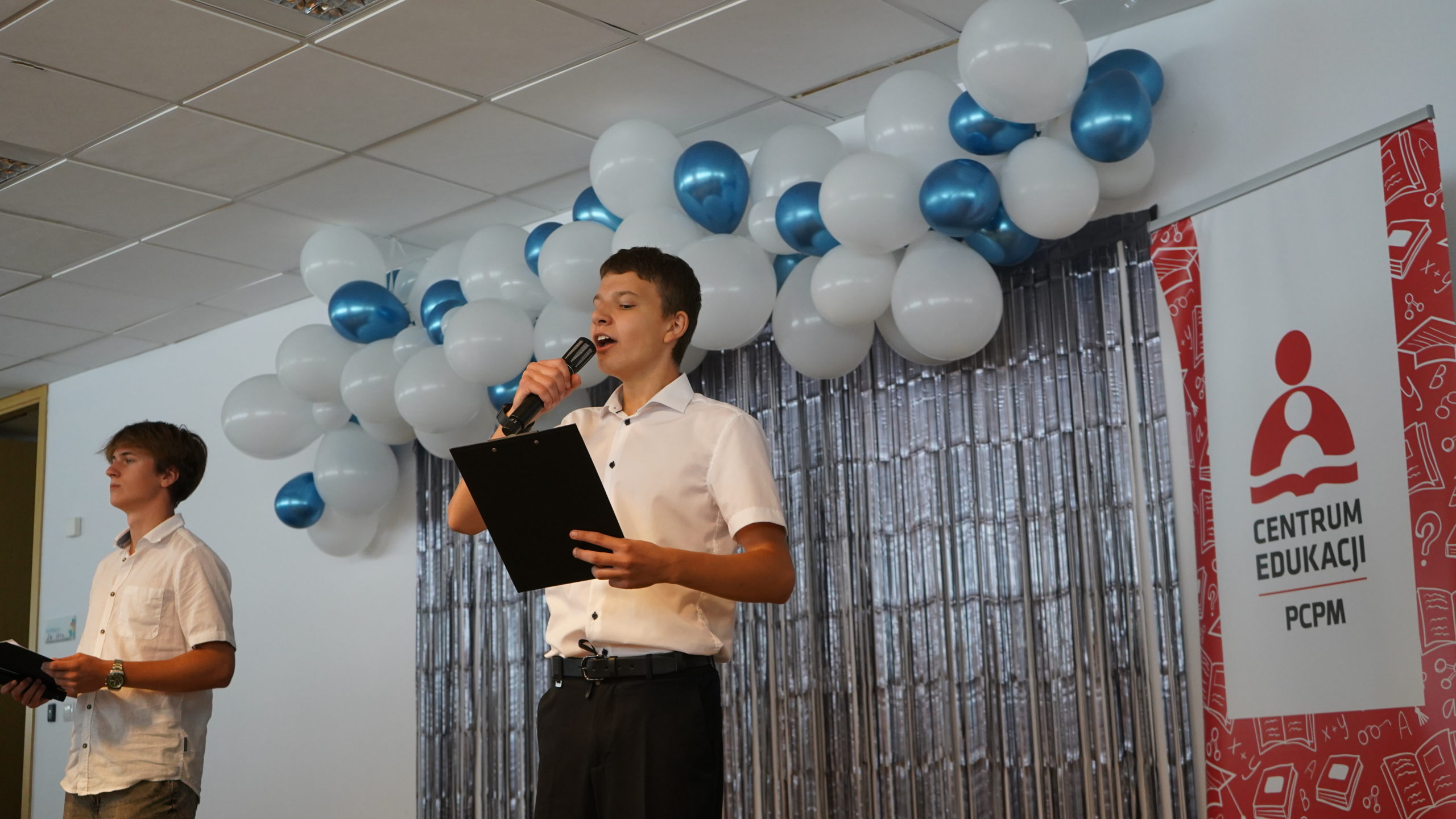
What will the new school year bring to the Education Centre?
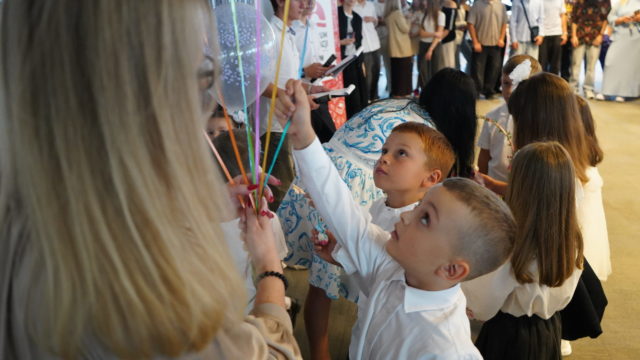
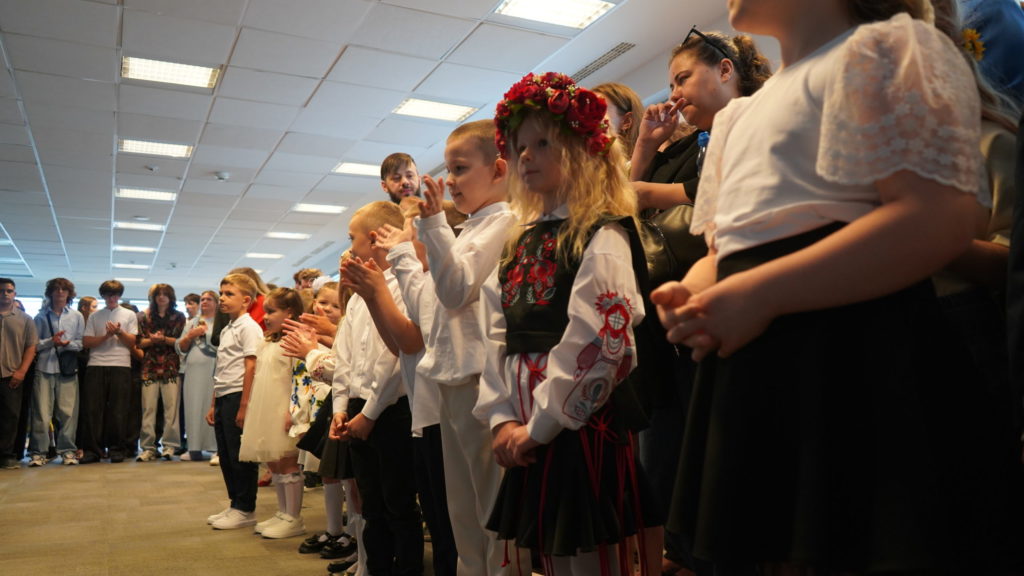
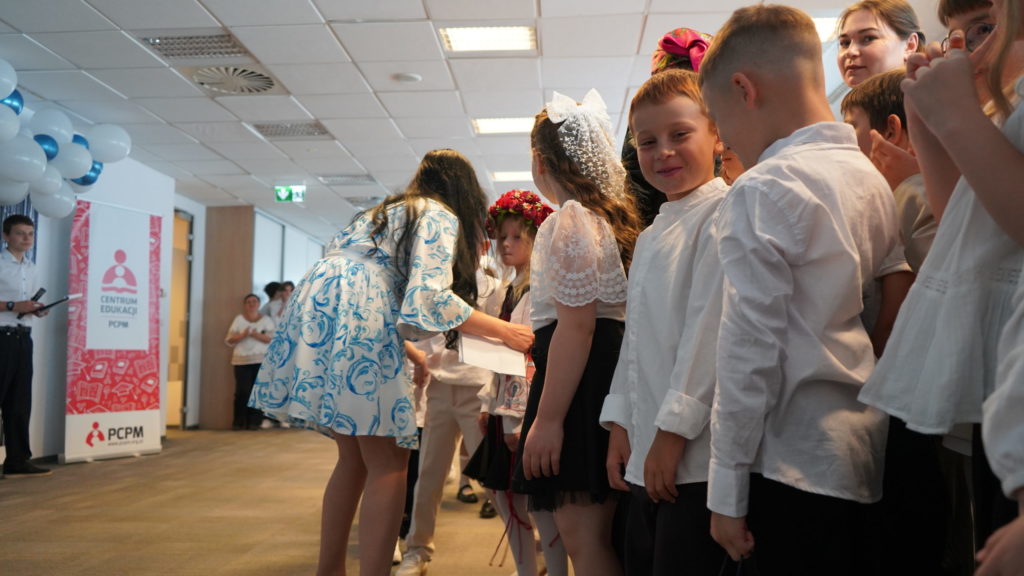
This is already the fifth year in which children from Ukraine can return to classrooms and continue their education, despite the ongoing war. This is possible thanks to the PCPM Education Centre, which has become above all a safe space for them – a place they want to come back to and where they want to learn.
This is already the fifth year in which children from Ukraine can return to classrooms and continue their education, despite the ongoing war. This is possible thanks to the PCPM Education Centre, which has become above all a safe space for them – a place they want to come back to and where they want to learn.
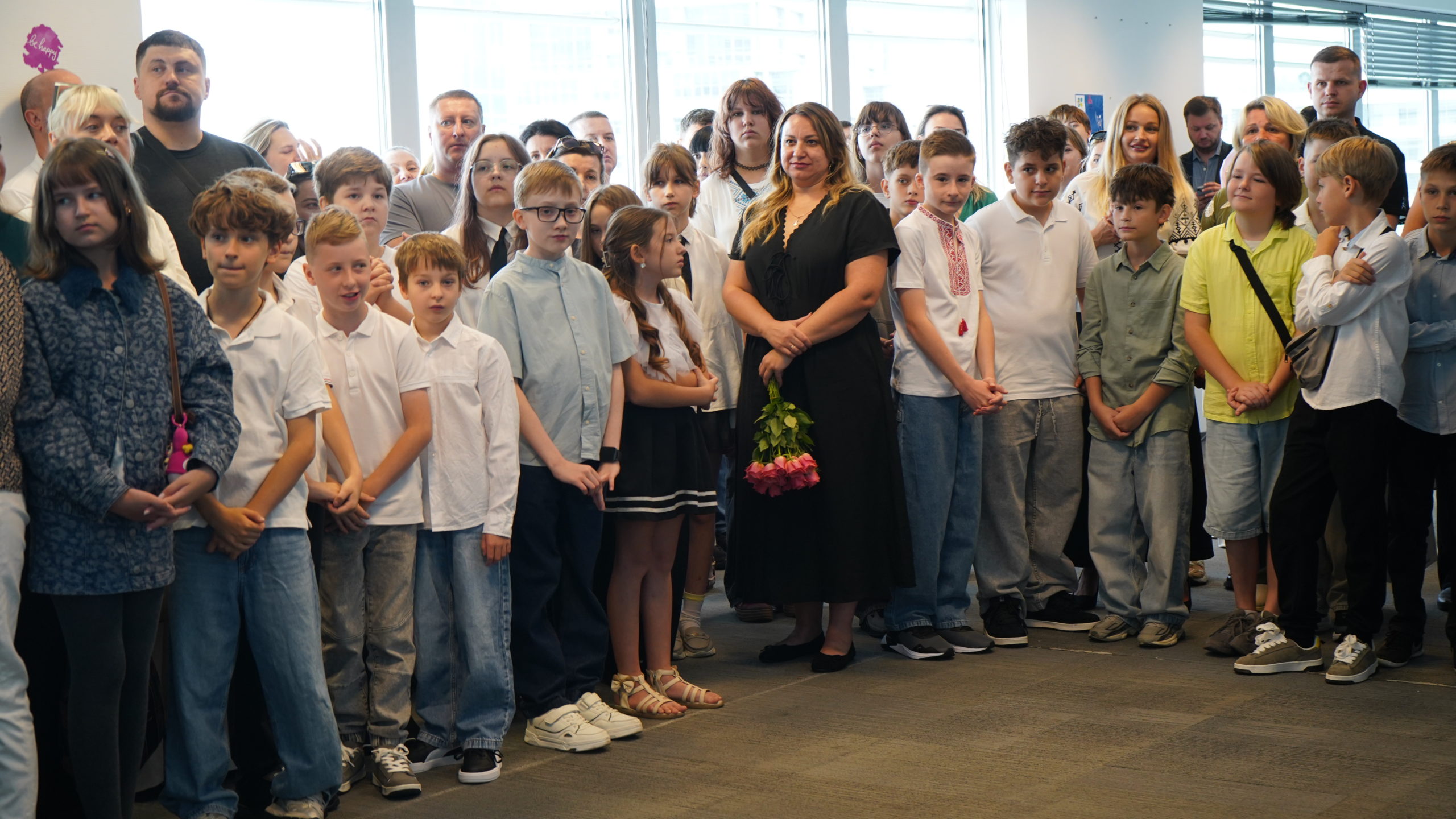
The PCPM Education Centre in Warsaw is not just a typical educational institution, but also a safe space for children from Ukraine who, after experiencing war, often need emotional stabilisation first, and only then a gradual return to a school routine. For many refugee families, this place has become a pillar of support, offering safety, daily structure, friendships, and a space where children can, at their own pace, become familiar with a new language, education system, and reality.
So what does the new school year bring? Kinga Gromala, the director of the Education Centre, answers these questions for us.
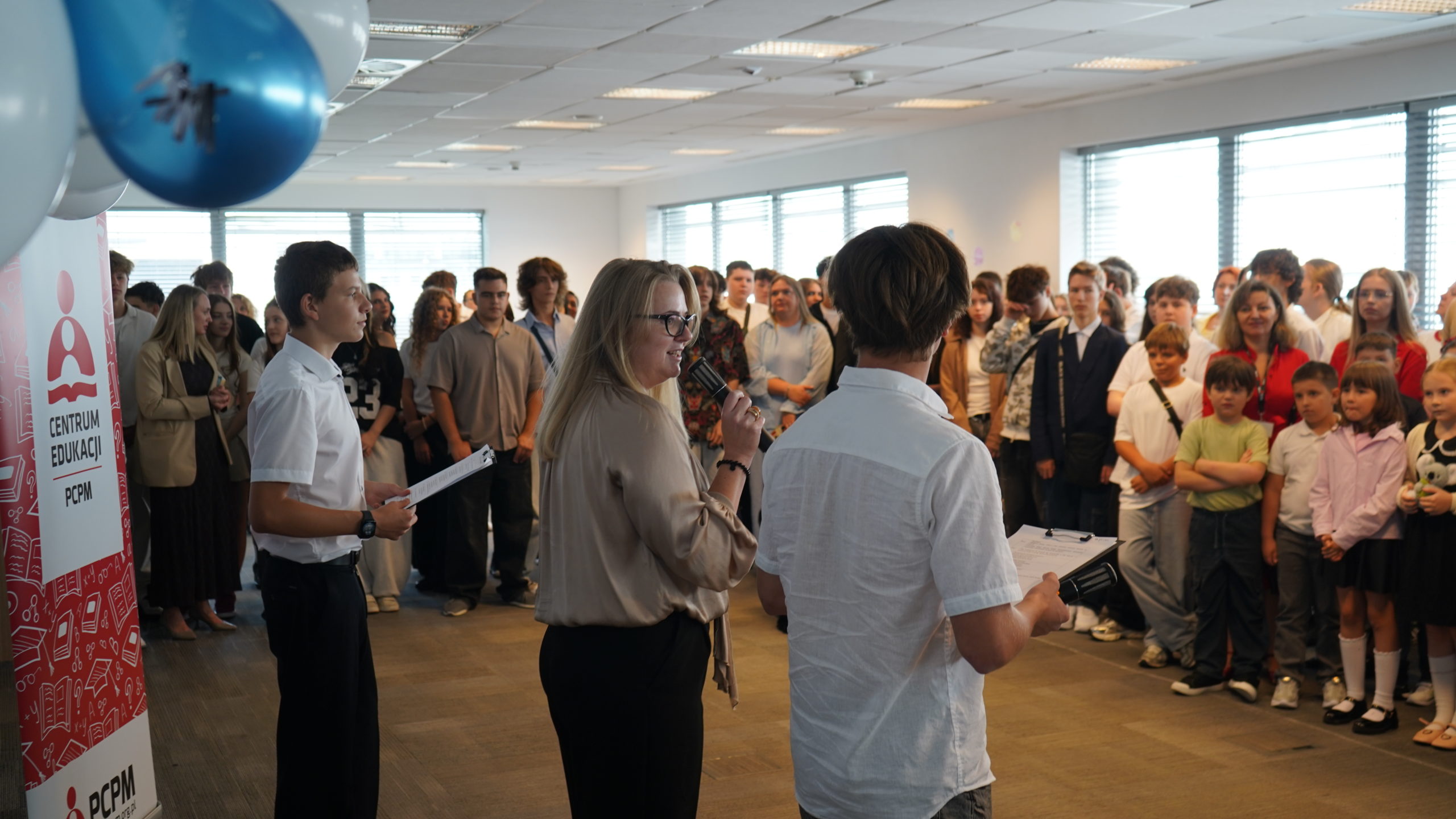
There’s always this question – what’s the difference between a regular Polish school and the Education Centre? What makes this space unique?
– The difference is significant. Here, every child simultaneously studies in two systems and receives certificates from two schools – in Polish and in Ukrainian. In addition, children have more lessons per day than in a traditional school, but they also receive much more support.
What sets the Education Centre apart from other institutions of this kind?
– The approach is highly individual. We make sure that every kid has continuous care from our psychologist. Speech therapy is also provided, so we work to make it easier for children to learn the new language. We don’t throw them into the deep end. Instead, we give them time and tools to become familiar with the new situation and the new language.
What do classes at the Education Centre look like?
– In addition to studying in the traditional system, children also take part in STEM activities. These are classes that combine science subjects with project work, creativity, and technical and engineering tasks. In the younger grades, we have Lego Education – classes that use building blocks. We also teach speed reading.
I try to diversify their time and introduce education through play in the broadest sense, including going beyond the school walls. For example, last year we had museum lessons – we visited the Museum of Medicine, organised outdoor learning, and held interactive classes that stimulated imagination and curiosity. Children attended cooking courses and worked in a carpentry workshop – all as part of their regular classes.
When it comes to physical education, we also try to go beyond the traditional understanding of PE classes – we have trips to a climbing wall, visits to outdoors sports centre. Last year we even managed to organise kayaking lessons.
What do you most often hear that children appreciate about this school?
– That they can come here and they like spending time here. It may sound simple and obvious, but it’s mainly about the fact that they genuinely want to be here – and the space is available, even after classes end. During the last two weeks before the start of the school year, the children were already spending time at school, missing it, integrating with each other, and looking for excuses to come to the Education Centre. For us, this is the best sign that we’re heading in the right direction.
What is the biggest challenge you face?
– Not overloading the children with too many classes, while at the same time meeting parents’ expectations and combining two education systems. And creating a safe space.
What will the new school year bring?
– We try not to introduce too many changes, because what’s important for everyone is a sense of stability. Children will have slightly more Polish lessons to support their integration skills. In the timetable, we have included one hour per week with a psychologist – psychoeducation in a group format. We talk about topics related to mental health, as well as psychological resilience. Additionally, starting this year, basic health education is being introduced – just as in the rest of Poland.
When can someone join the school?
– At any point during the school year. Recruitment is open, and we accept children at any time, supporting them in the process of returning to a learning routine while taking into account their often difficult life situations.