Aid to Syria with Support from Poland
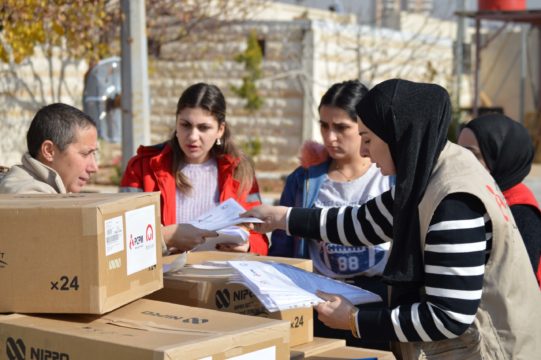
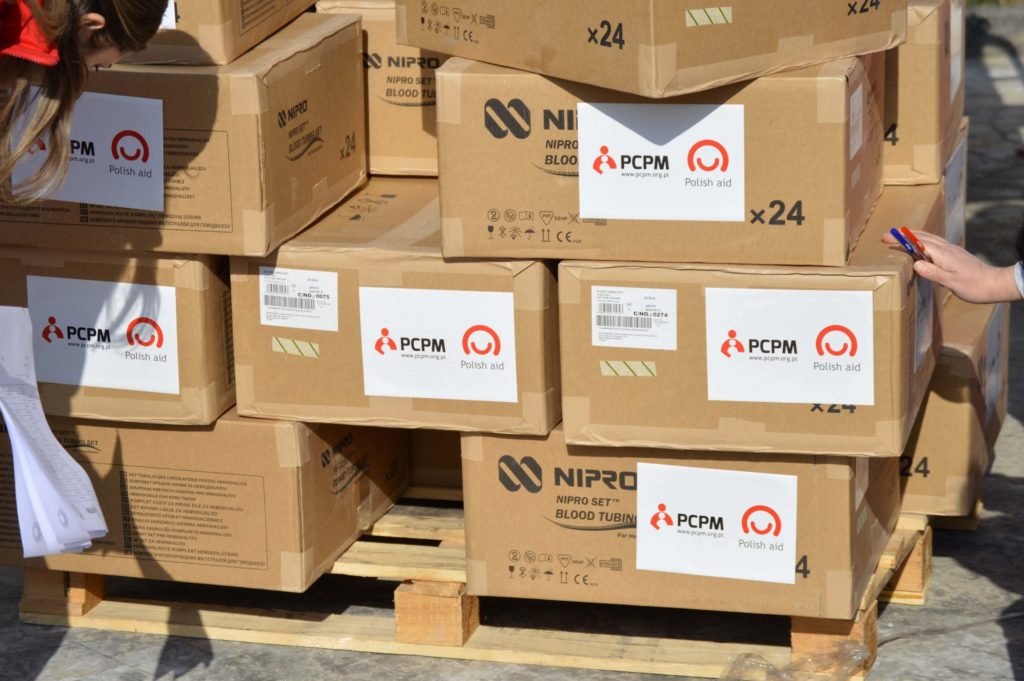
Thanks to support from the Polish Aid programme of the Ministry of Foreign Affairs of the Republic of Poland, tangible medical assistance is being delivered to Syria. The Polish Center for International Aid (PCPM) focuses primarily on supplying medicines for patients who cannot continue their treatment without them. These include specialized medications for people with kidney failure and chronic illnesses.
The project “Specialized Healthcare and Dialysis Support for People Affected by the Conflict in Syria” ensures the continuity of life-saving treatment for residents of Damascus and the Rif Dimashq Governorate. As a result, patients struggling with severe chronic diseases can continue to receive hemodialysis and specialized medical care without interruption, despite the difficult conditions caused by the ongoing crisis in Syria.
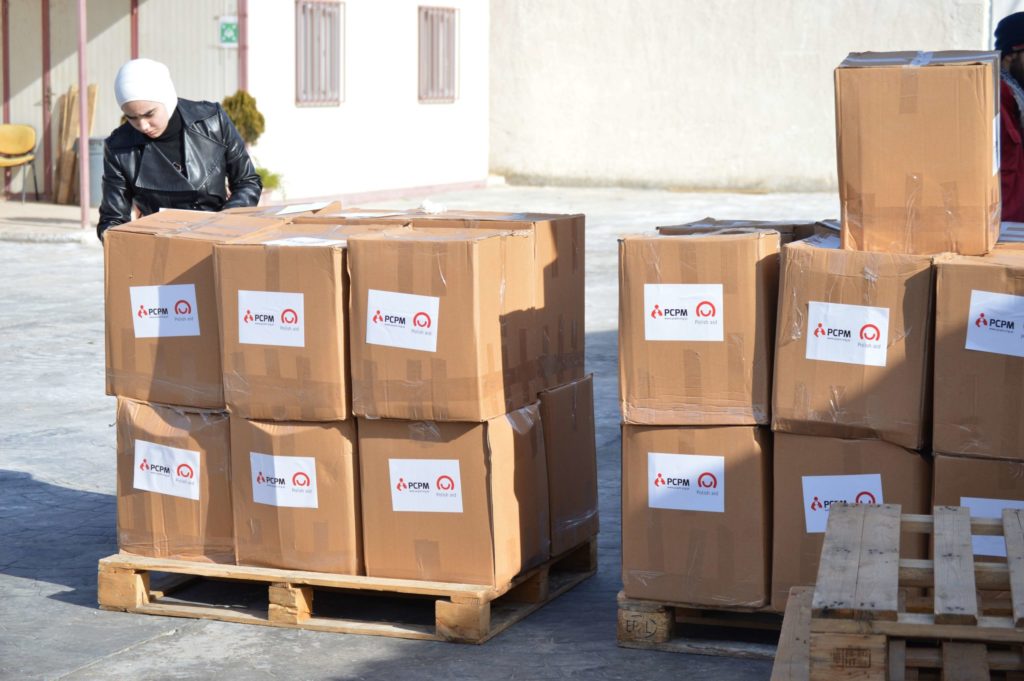
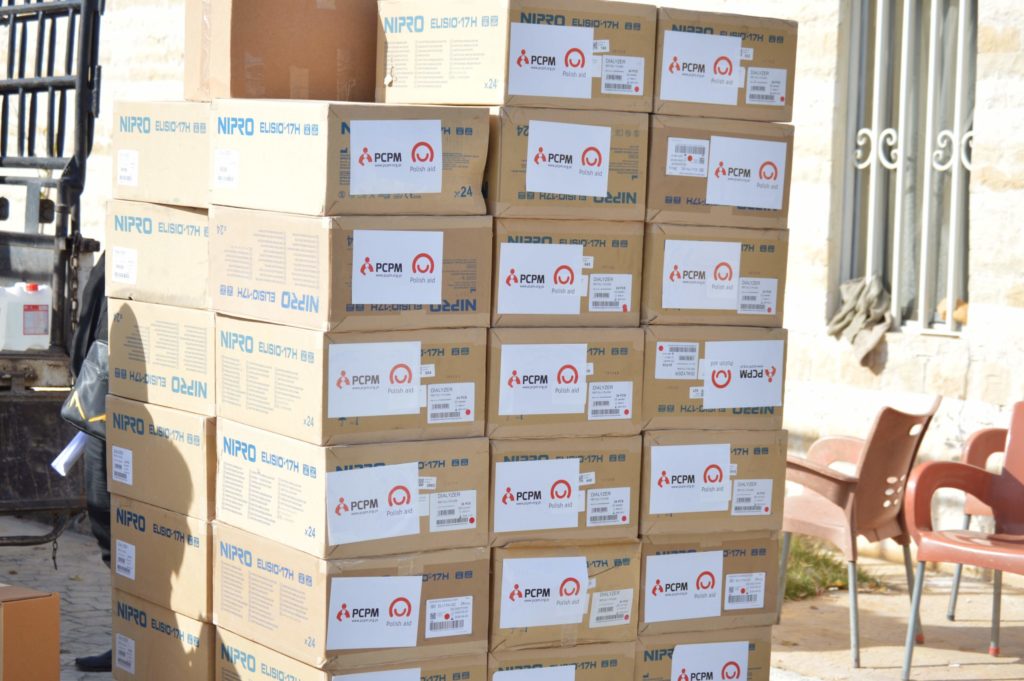
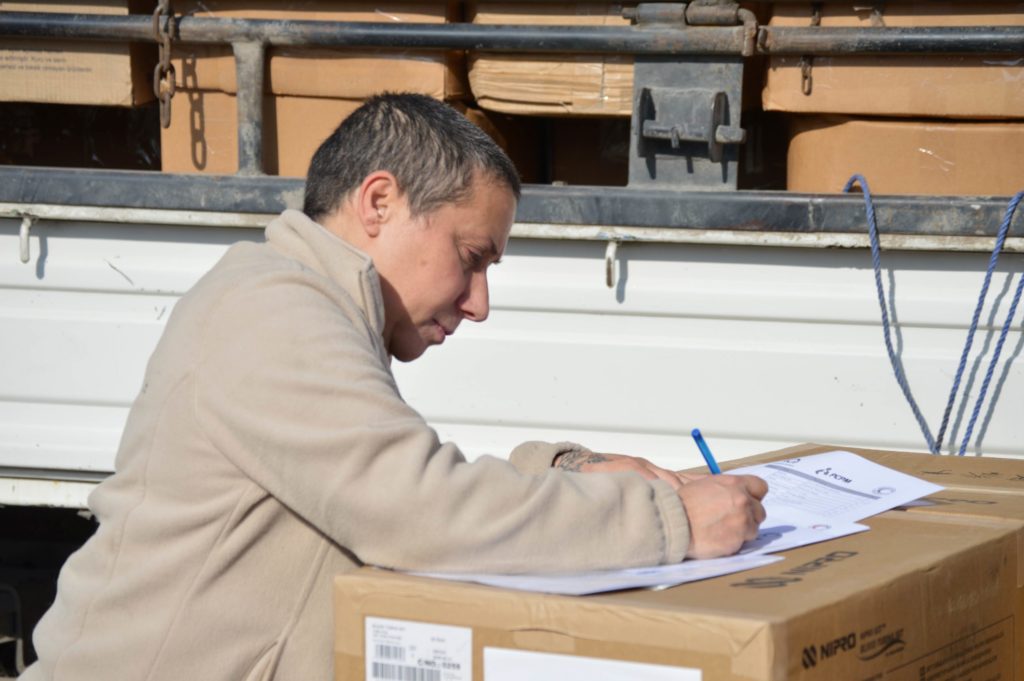
A key component of the project is the delivery of consumables necessary for dialysis treatment, infection control supplies, and medical equipment. At the same time, support has been provided to medical staff who are responsible on a daily basis for performing life-saving procedures. This enables medical facilities in Syria to continue treatment under safe conditions, reducing the risk of infections and complications among patients.
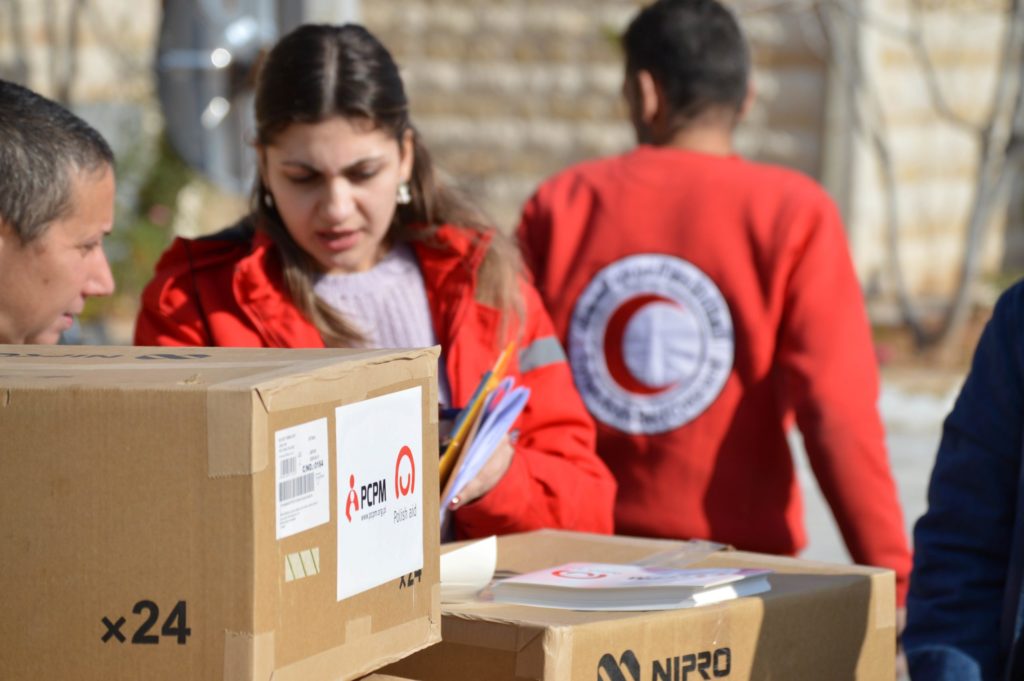
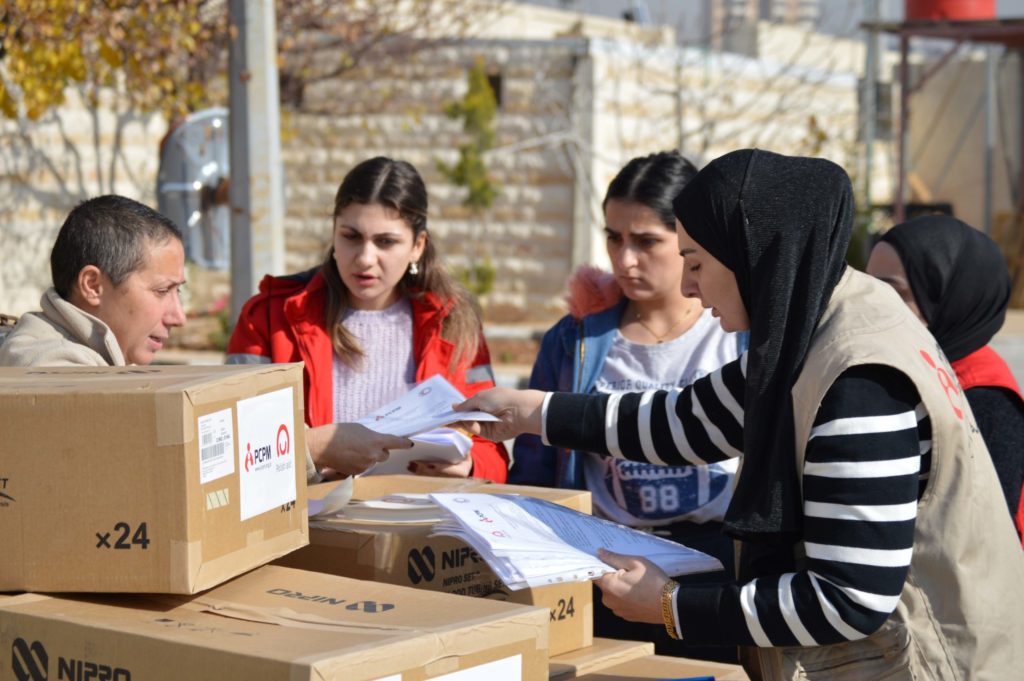
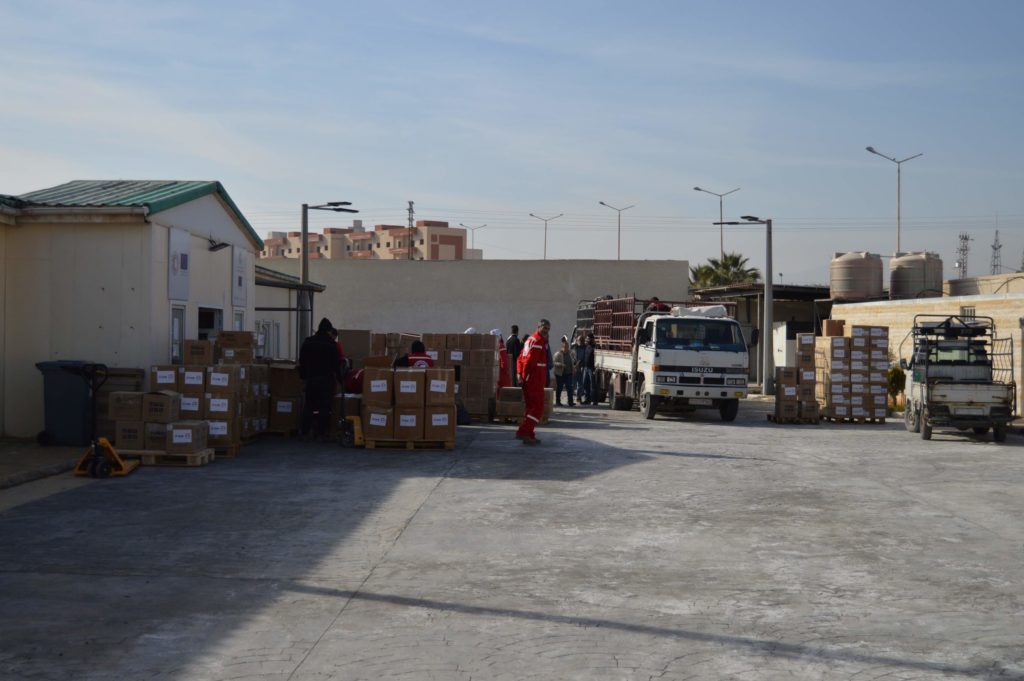
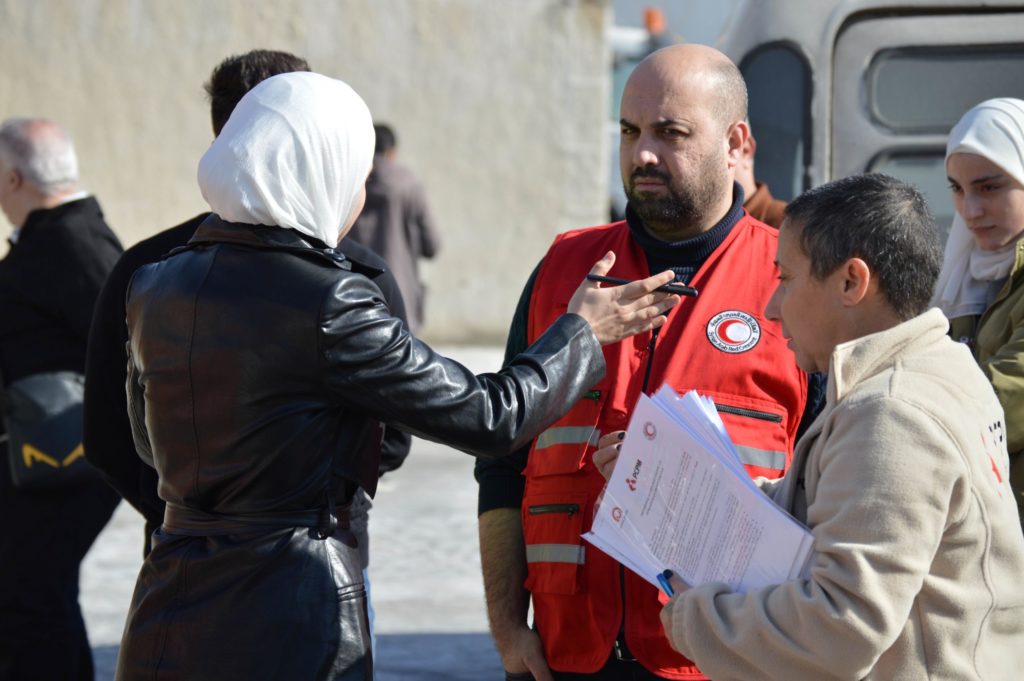
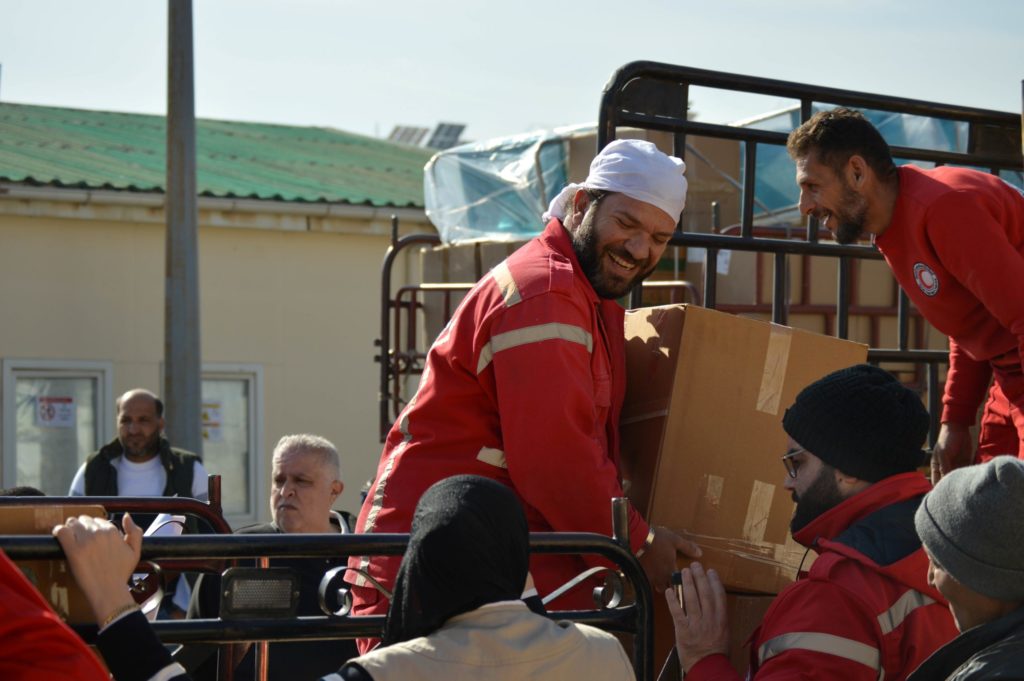
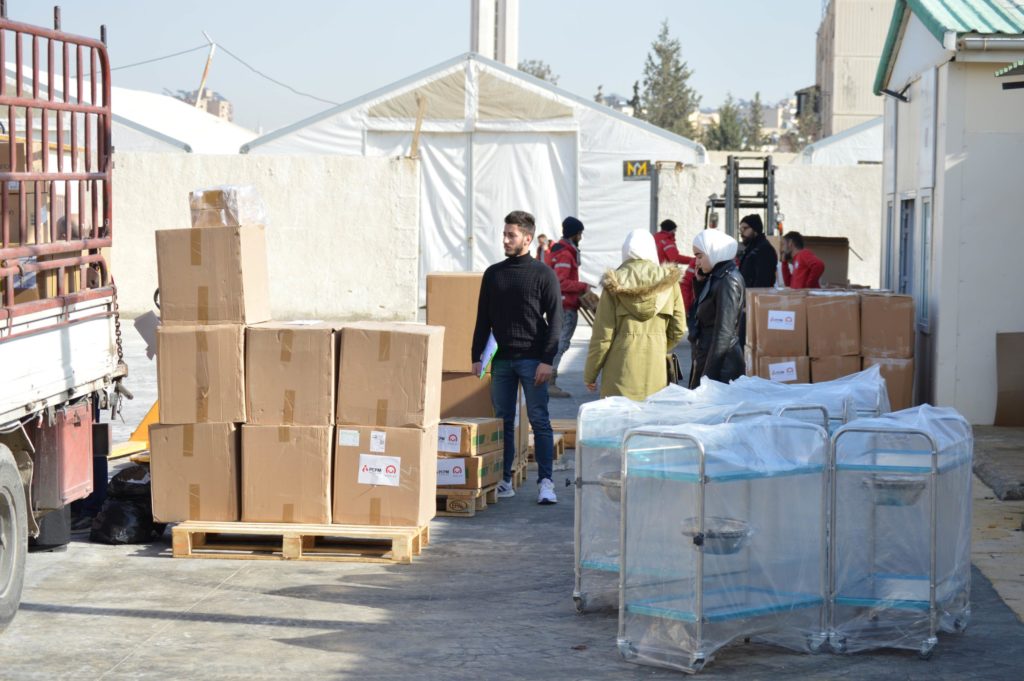
The project is being implemented until the end of December 2025 in the Damascus and Rif Dimashq Governorates. The Polish Center for International Aid delivers assistance in cooperation with the Syrian Arab Red Crescent (SARC) and the Syrian Ministry of Health, ensuring efficient procurement, distribution, and continuous monitoring of the aid provided.
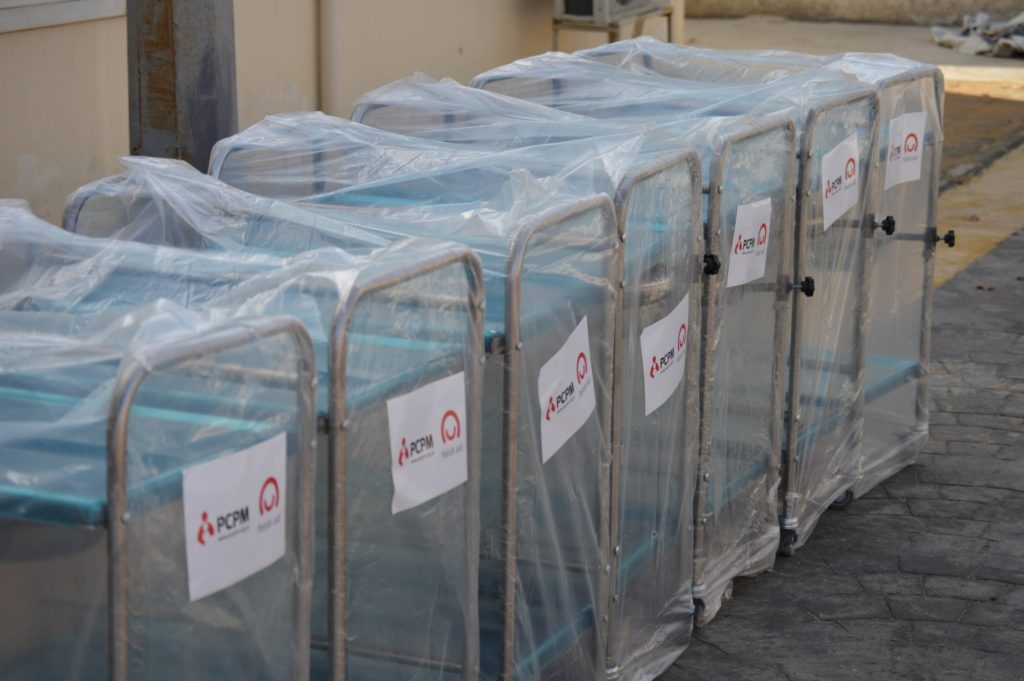
The support covers seven healthcare facilities. In addition to dialysis supplies and sterilization and infection-prevention kits, the centers also received basic medical equipment, including wheelchairs, walkers, stretchers, and treatment trolleys. The project also included coverage of salaries for medical staff directly involved in conducting hemodialysis sessions.
As a result of this intervention, the safety and quality of services provided in the seven supported facilities have improved. Most importantly, continuity of treatment was ensured for approximately 300 patients, who benefited from 13,620 hemodialysis sessions under the project. These activities not only strengthened the local healthcare system but also allowed patients to maintain dignity and access to essential medical care amid a prolonged conflict.
Healthcare System Under Enormous Pressure
During their visit to Syria, PCPM staff visited local clinics. Conversations with patients and medical personnel helped them better understand the daily challenges faced by Syria’s healthcare system. Shortages of medicines, limited access to specialized treatment, and overburdened staff are realities encountered every day.
Responding to Urgent Humanitarian Needs
The humanitarian situation in Syria remains extremely difficult. The scale of needs is vast and affects nearly all aspects of life—from destroyed infrastructure to shortages of basic medical supplies. Therefore, at the request of local authorities and in cooperation with an on-the-ground partner, PCPM delivers essential medicines, including drugs used in the treatment of chronic diseases.
Support for Residents and Returning Populations
The assistance provided benefits both the most vulnerable residents and people returning to Syria from Lebanon after years of forced displacement. In this way, PCPM responds to the urgent needs of local communities while simultaneously strengthening the healthcare system in regions affected by the consequences of years of conflict.
The PCPM Foundation’s project is co-financed under the Polish development cooperation programme of the Ministry of Foreign Affairs of the Republic of Poland. This publication reflects solely the views of the author and cannot be identified with the official position of the Ministry of Foreign Affairs of the Republic of Poland.