Half of Sudan’s population is facing starvation. “Annual supplies ran out in June.”
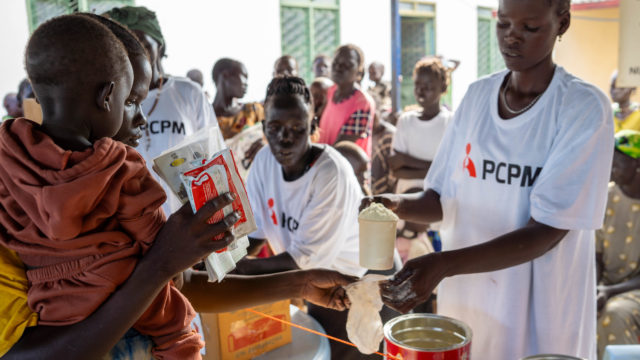
“This year, the needs are so great that we used up our therapeutic food supplies, which were supposed to last for the whole year, already in June,” says Aleksandra Mizerska, coordinator of African projects. According to UN agencies, as many as 21.2 million people in Sudan, or half of the country’s population, are suffering from acute food insecurity. Even the smallest amount of aid is invaluable.
The civil war in Sudan — now ongoing for more than two years and largely overshadowed in the West by the wars in Ukraine and the Middle East — is intensifying and claiming ever more victims. At the end of October, rebel fighters of the Rapid Support Forces (RSF) captured the city of Al-Fashir, the capital of North Darfur State, after more than 500 days under siege.
Although the roots of Sudan’s civil war stretch back to the 1950s, its latest bloody and brutal chapter has been unfolding once again since April 2023. The main fighting is concentrated in the capital, Khartoum, and in the Darfur region in the west and southwest of the country. The RSF — an outgrowth of the Janjaweed militias that killed at least 200,000 people in Darfur at the turn of the century — are battling the pro-government Sudanese Armed Forces (SAF).
For Sudanese civilians, the conflict is all the more tragic and devastating because it offers no clear division between “good” and “evil.” A UN fact-finding mission in September 2024 found that both sides had committed “harrowing human rights violations against civilians,” including mass rape, arbitrary detention, torture, and extrajudicial executions. The conflict is also deeply complex, with shifting alliances of local armed groups and worsening ethnic tensions.
Civil war, the escalating effects of climate change, and recurring natural disasters have plunged Sudan into one of the worst humanitarian crises in world’s history. According to media reports, both SAF and RSF forces are using hunger as a weapon, blocking civilians’ access to food, medical supplies, and other aid that could be provided by international institutions and humanitarian organizations. An estimated 30 million people are in urgent need of assistance.
The Sudanese government obstructs humanitarian aid
Civilians are the greatest victims of this protracted civil war. Even before the current phase of the conflict, Sudan was a country permanently teetering on the brink of humanitarian disaster. The fighting that has continued since April 2023 has further worsened the outlook for Sudanese people: tens of thousands have been killed, and millions have been pushed to the edge of survival.
A precise casualty count is impossible to establish. Local authorities bar independent observers from accessing affected areas and hinder the work of international missions. According to science.org, the Sudanese government is “very hostile to data gathering and to having a major humanitarian presence.” These reports are confirmed by Aleksandra Mizerska, Regional Director for East Africa at the Polish Center for International Aid (PCPM), which has been implementing development and humanitarian projects in Africa since 2006.
“Humanitarian organizations face strong resistance not only from rebel forces but also from government troops. This severely limits not only our ability to provide aid on the ground, but even to estimate the number of people affected by the war or identify their most urgent needs,” she says.
“The world’s largest hunger crisis”
The data used by the international community to assess the impact of the Sudanese crisis is therefore largely based on estimates. Yet the devastation the war has brought to towns and villages is clearly visible in satellite imagery — experts use these images to gauge the extent of destroyed buildings and to monitor the continually expanding sites of makeshift burials. Reuters reports that in Khartoum State alone (one of the country’s 18 administrative regions), more than 61,000 people have died since the outbreak of the current war — around 50 percent more than the average for a comparable period in peacetime. According to AP News, the situation is particularly dire in the city of Al-Fashir, captured by RSF rebels at the end of October. Satellite images there show mass graves and bodies left unburied, suggesting a rapid surge in crisis-related deaths.
“Most civilian casualties in Sudan are not the result of active fighting, but deaths caused by hunger and disease. The humanitarian situation is deteriorating week by week,” says Aleksandra Mizerska of PCPM, which carried out its first humanitarian aid project in Sudan back in 2006.
The United Nations estimates that the current civil war has displaced 11 million civilians from their homes, creating “the largest hunger crisis in the world.” Conditions are worst in refugee camps forming along Sudan’s borders with Chad and South Sudan. The UN estimates that roughly 1.3 million Sudanese refugees are currently in South Sudan alone.
More than 100,000 Sudanese children helped with support from Poland
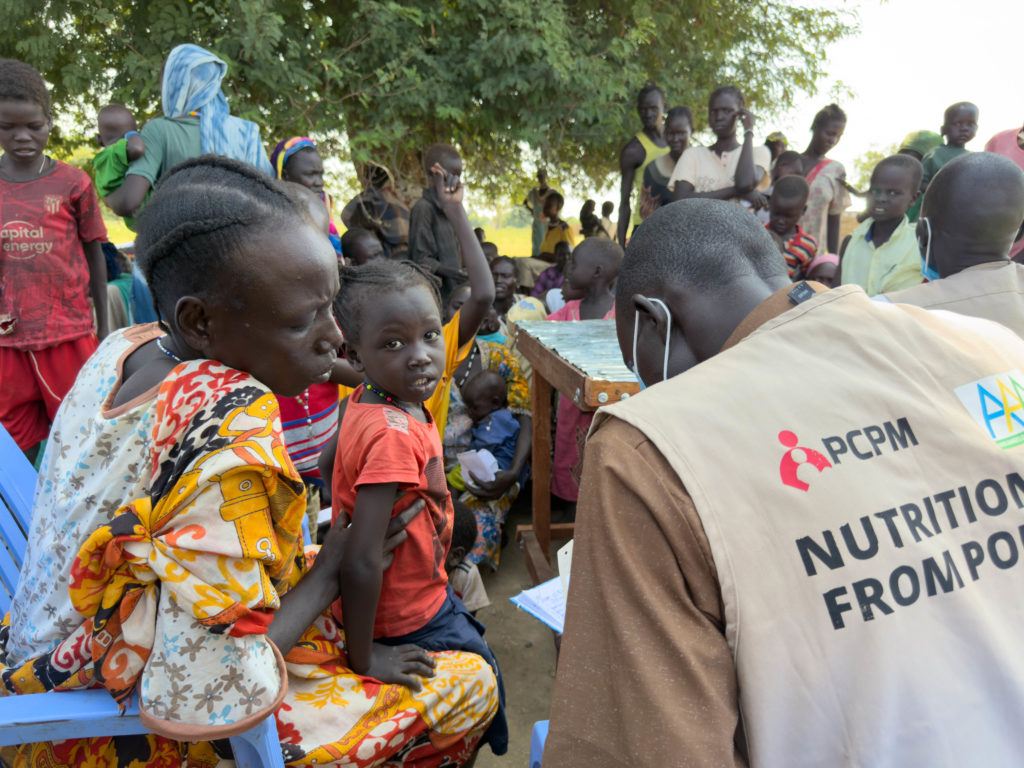
The PCPM Foundation has been active in South Sudan since 2017. In the country’s northwest, about 40 km from the Sudanese border, it operates a child nutrition center — the only facility of its kind within a 100-km radius. Over the past six years, more than 100,000 young victims of the humanitarian crisis have received food rations or medical care at the center in Gordhim. This assistance is made possible solely thanks to private donors in Poland.
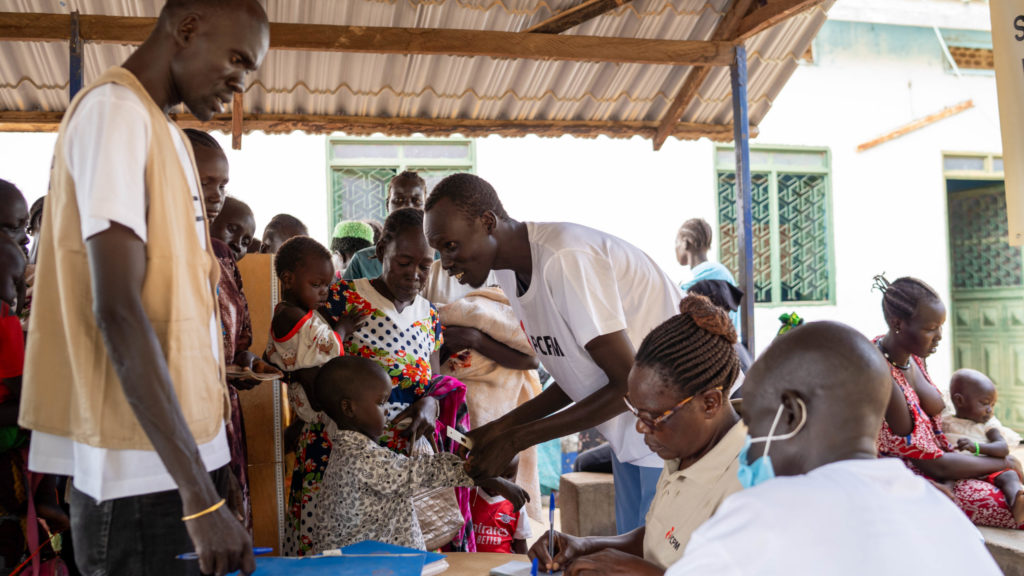
“This year, needs are so enormous that by June we had already used up the entire stock of therapeutic food that was meant to last until the end of the year. Since mid-year, in Gordhim we’ve only been able to help severely malnourished children who are at immediate risk of starvation,” explains Mizerska.
Thanks to donations, PCPM will be able to allocate around 27,200 USD in 2025 for child nutrition. This amount provides approximately 50,000 servings of therapeutic food. As little as three servings of the special paste per day can help a malnourished child gain around 1 kg in a week. This means that within a few weeks, it is possible to bring a child out of critical malnutrition — provided the hunger is not accompanied by coexisting diseases such as malaria, tuberculosis, or HIV, which further weaken a child’s body.
“With your support, we can finance another shipment of therapeutic food to the Nutrition Center in Gordhim and provide medical aid to victims of hunger. One serving of therapeutic food costs just 2.1 PLN (0.6 USD),” the Foundation appeals.
With 7.600 USD, the Foundation also built four new latrines for the nutrition center—the previous ones had long been unusable, leaving patients without access to any toilets. Additional money from private donors were used this year to transport therapeutic food from Kenya, and to purchase medicines, vaccines, and cover the salaries of 13 local PCPM staff working in extremely challenging conditions in South Sudan.
Refugees surviving in makeshift conditions
A large flow of refugees has been moving southward from Sudan since 2023. Yet the government in Juba is unable to meet even their basic needs. There is not only a shortage of food but also water, medicine, and even rudimentary shelters.
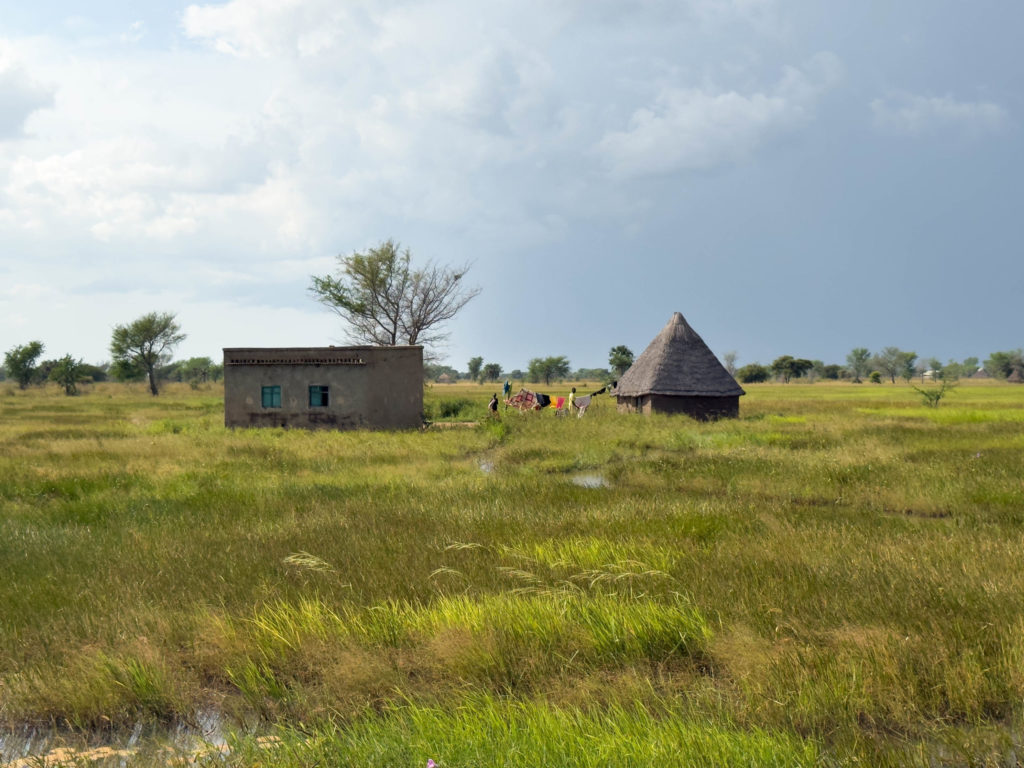
“Refugees are left to fend for themselves, so they create extremely makeshift settlements. Large families huddle together in tiny mud huts roofed with corrugated metal sheets. Those who lack materials to build a shelter camp under trees, which offer some protection from the brutal sun and, during the rainy season, from downpours. Sanitation is nonexistent,” says Aleksandra Mizerska, PCPM project coordinator in South Sudan.
A critical problem remains the lack of food. The diet of Sudanese refugees is based mainly on porridge made from maize or sorghum — meals with very limited nutritional value. The situation becomes even more desperate during the so-called hunger gap.
“This period lasts from June to September, when the previous harvest has been exhausted and the new one will not arrive until the rainy season in October. During this time, many refugees are forced to survive by eating pumpkin leaves, roots, or wild plants they forage themselves,” explains the PCPM Regional Director for East Africa.
They are not fighting for the future, but for survival
The situation in Sudan — and by extension in South Sudan — is far more than another military confrontation in a developing country. It is a complex political, humanitarian, and social crisis that has been building for years. Data on casualties is fragmented and incomplete, making it even harder to grasp the true scale of the catastrophe.
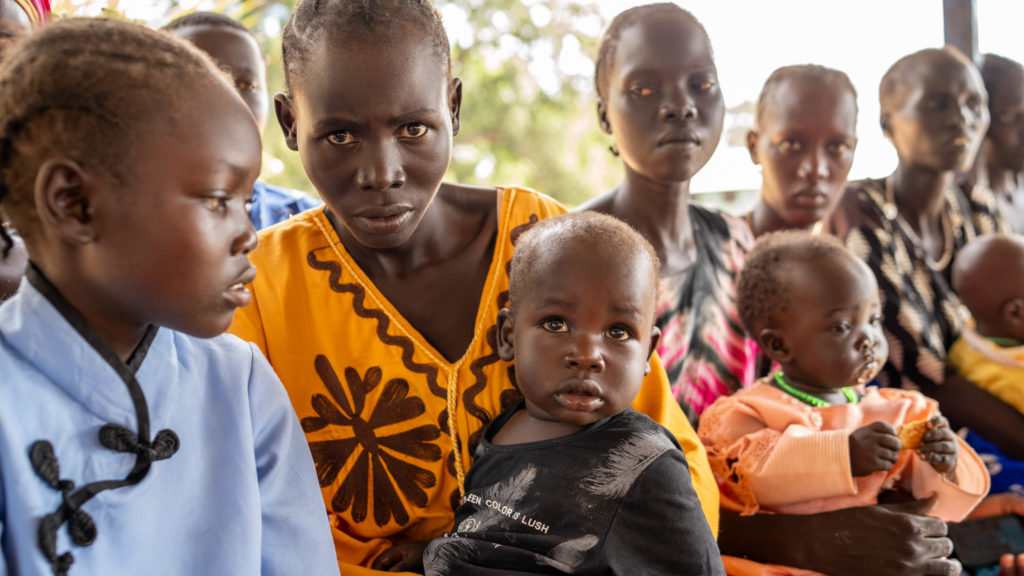
Yet the needs are immense. The Sudanese crisis has contributed to the highest number of internally displaced people in the world—estimated at nearly 10 million. Meanwhile, the UN’s Food and Agriculture Organization (FAO) reports that 21.2 million people, half the country’s population, are suffering from severe food insecurity.
Humanitarian experts warn that, faced with the devastating consequences of Sudan’s civil war, the entire international community must mobilize. Only coordinated action by governments, international institutions, and humanitarian organizations can stop the spiral of violence and provide support to those who today are fighting not for their future, but simply to survive.