PCPM in Ethiopia Trains Not Only Firefighters But Also Ambulance Teams
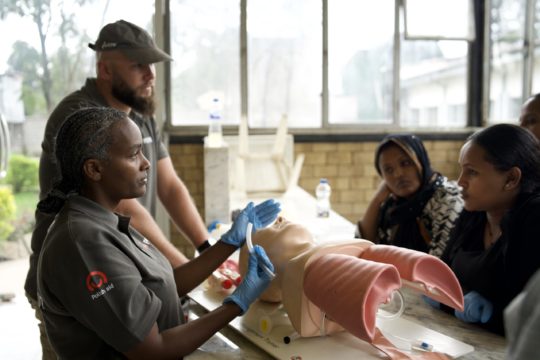
At Alert Hospital in Addis Ababa, courses conducted by the Polish Center for International Aid (PCPM) have been completed by nearly 170 ambulance personnel. The training covers nurses and ambulance drivers. They operate within the fire department structure.
Ethiopia’s fire service operates in a completely different reality than what we know in Europe. The most visible difference is the equipment of local rescuers – extremely low funding from the state and local government budgets means Ethiopian firefighters struggle with a constant shortage of rescue gear, firefighting agents, and even basic personal protective equipment like specialized gloves, boots, or helmets.
Despite these shortages, the fire service represents public services bearing enormous responsibility for the safety and health of Ethiopia’s residents. This is especially true since medical teams also operate within fire department units. This unusual solution from a Polish perspective helps integrate the actions of firefighters and medics, increasing the effectiveness of rescue operations.
Knowledge Is There, but Practice Is Lacking
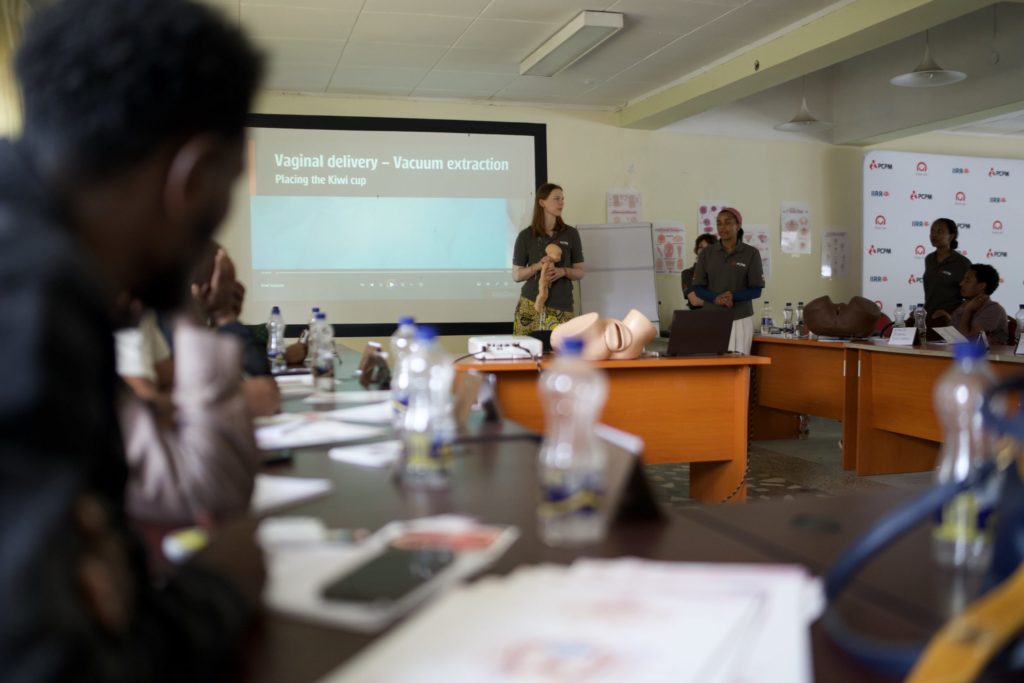
Poland is also providing help here in Ethiopia. The Polish Center for International Aid Foundation organizes courses and workshops for ambulance medical personnel on pre-hospital care. PCPM also equips ambulances with basic medical equipment, medications, and dressing materials.
On-site instructor Dr. Paweł Musiał, who holds a PhD in medical sciences, emphasizes that Ethiopian medics absorb knowledge quickly.
“We teach them, among other things, how to stop bleeding, apply tourniquets and IV cannulas, and perform intravenous insertions. Our colleagues from Ethiopia have extensive theoretical knowledge, but they lack practical training, so every hour spent in such sessions with Polish instructors is just as valuable as it is helpful” says Musiał.
One of the trained medics is 30-year-old Bruk Amare Hailu, who works in the fire department unit in Addis Ababa.
“Every part of the training with Polish instructors was very valuable to me. I trained at a hospital before, but learned little. I’m most satisfied that the Polish medics taught me the principles of stopping bleeding and resuscitation,” lists the Ethiopian medic.
As he says, his medical team responds to 5-6 incidents every day, mainly car accidents.
“We prepared first aid training for ambulance drivers and pre-hospital care for medics. Ultimately, we plan to train all medical personnel working in fire department units, about 200 people,” notes Adam Kukliński, project coordinator from PCPM.
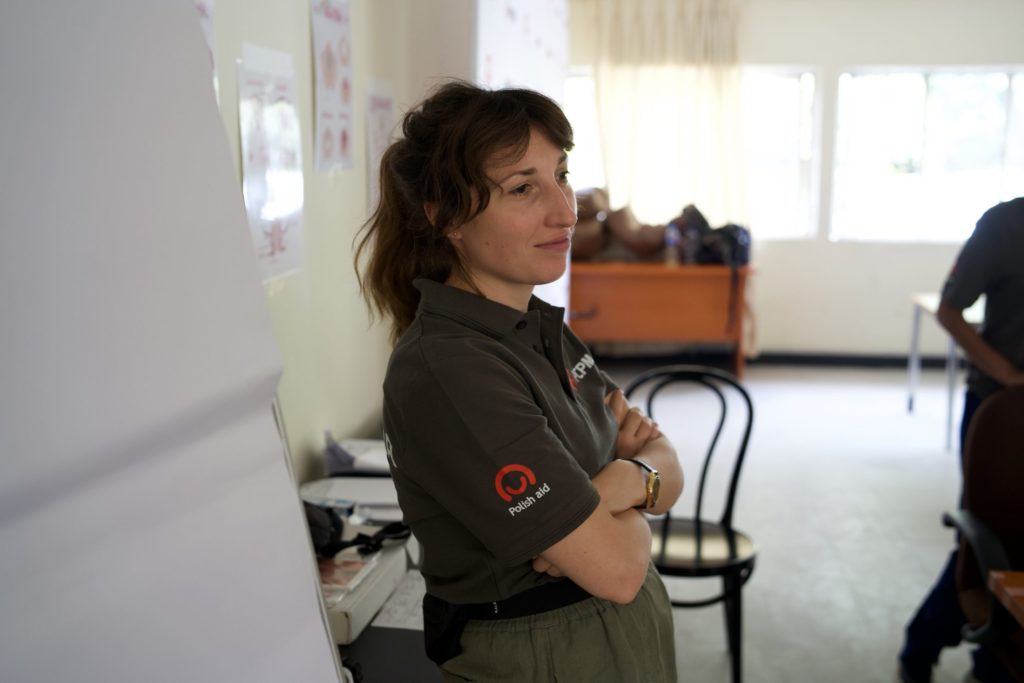
PCPM Also Trains Instructors So They Can Train Others
PCPM’s assistance is possible thanks to cooperation with local authorities and hospitals, as well as project funding from the Polish Ministry of Foreign Affairs. Funds for PCPM’s development activities in Ethiopia come from the “Polish Aid” program implemented by the MFA.
Project coordinator Adam Kukliński emphasizes that instructors in Ethiopia have also undergone training in the past. One such person is 32-year-old Tesfaye Abebe, now a ward nurse in the emergency department at Alert Hospital in Addis Ababa.
“I took PCPM specialist-led training in 2022. The level of these courses was higher than at my medical school. Thanks to that, I could develop quickly, and today I teach younger colleagues how to provide help,” he stresses.
At Alert Hospital, 15 out of 18 working doctors have completed PCPM courses. About 50 patients arrive at this health center every day.
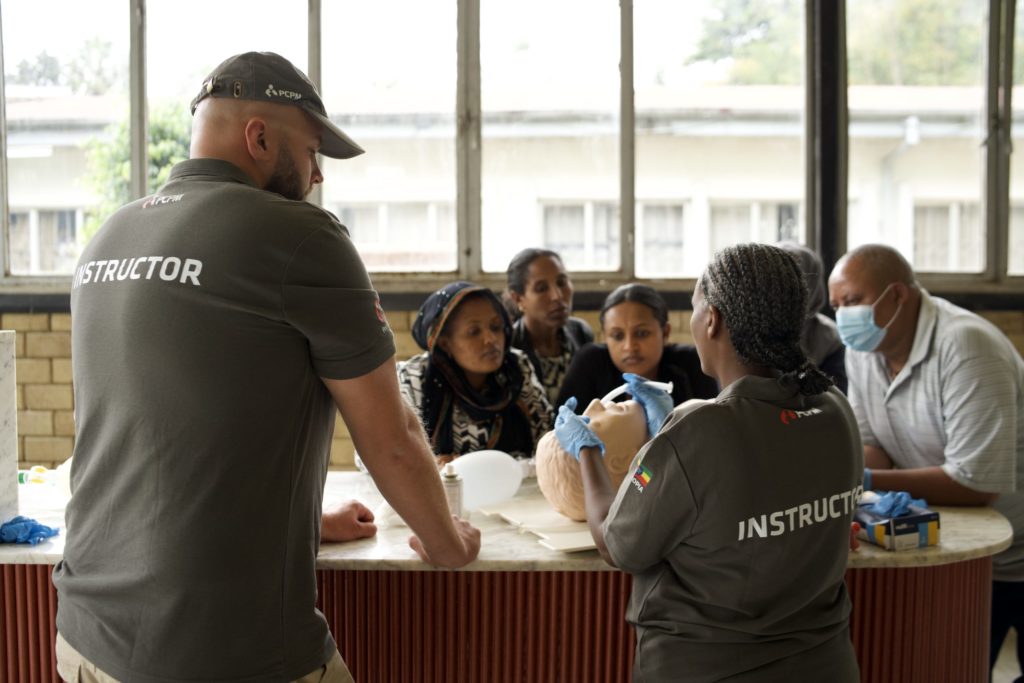
Equipped Ambulances, Trained Medics
PCPM has been present in Ethiopia since 2012. It currently runs development projects mainly supporting rescue and medical services. As a result of the project, 11 fire department units will receive comprehensive support, including cardiac monitors, oxygen equipment, ambulance stretchers, AED defibrillators, and standard first aid kits.
Medics working in fire department units are mainly called to traffic accidents, heart conditions, and construction accidents. They also respond to births and postpartum complications. PCPM provided training aids such as birthing phantoms, self-inflating bags for newborn resuscitation, vacuum extractors, and birthing pads.
The project “Support to Development of Emergency and Disaster Response Services in Ethiopia” is co-financed within the framework of the Polish development cooperation of the Ministry of Foreign Affairs of the Republic of Poland. The funding for Module 2 amounts to PLN 2,397,057. The total value of the task is PLN 6,396,073.