The humanitarian crisis in Lebanon. “People are sleeping on the streets”
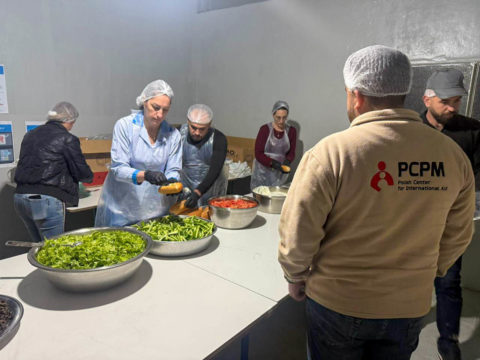
The Polish Center for International Aid Foundation (PCPM) is delivering hot meals to refugees in Lebanon. “Many refugees have nowhere to go and are sleeping in cars or on the street,” says Rana Gabi from the Polish Center for International Aid.
Currently, over 820,000 people have registered as internally displaced persons (IDPs).
Around 130,000 people are staying in nearly 600 temporary shelters. Hundreds of thousands more have found refuge with host families or in informal accommodations.
The largest concentrations of displaced people are in Beirut and the Mount Lebanon region. In these areas, pressure is mounting on housing availability, public services, and the humanitarian aid system.
Since the beginning of March, 687 fatalities and 1,623 injuries have been recorded.
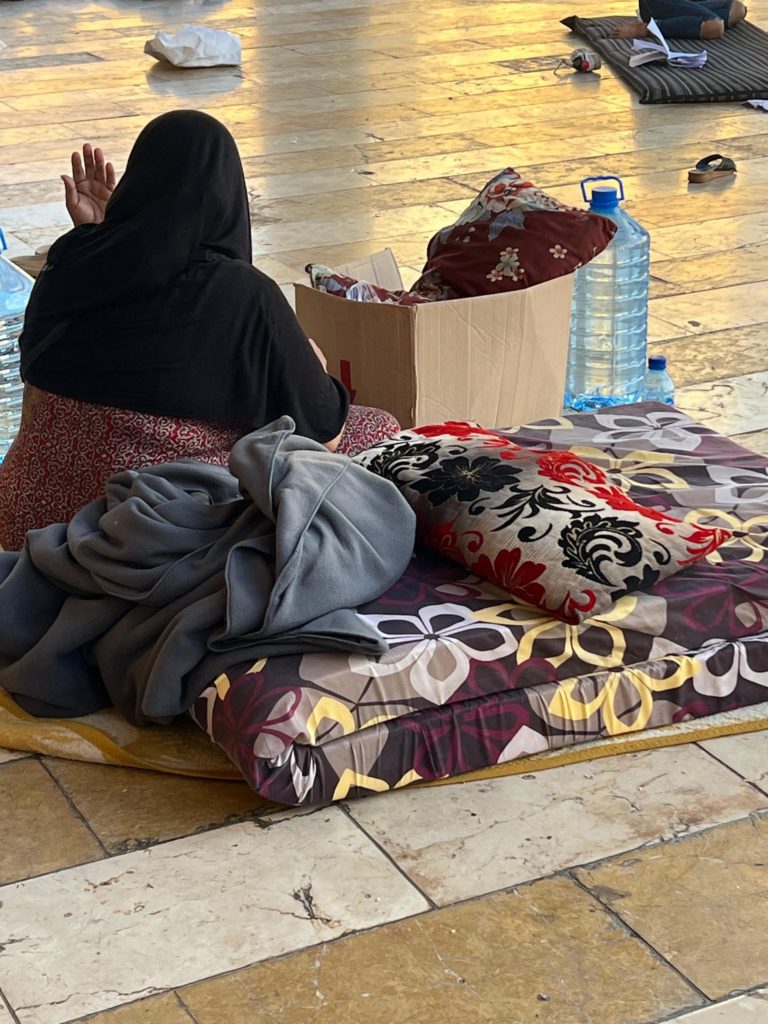
– Airstrikes and air attacks continue in southern Lebanon, Beirut, and the Bekaa Valley, with military operations expanding to new areas, including the Saida district. Attacks have also been reported in the Bourj Hammoud and Bachoura neighborhoods of Beirut – says Elie Keldany from the PCPM Foundation. He adds: “Evacuation orders for much of Beirut’s southern suburbs, northern Bekaa, and the entire area south of the Litani River cover about 850 km² and affect at least 500,000 residents.”
Unfortunately, thousands of families remain trapped or unable to evacuate despite the orders, out of fear of attacks.
The unstable security situation is also hindering aid efforts. Recently, a Lebanese Red Cross paramedic was killed while on duty.
Education in Crisis
Many public schools have been converted into shelters for families fleeing bombings. In practice, this means thousands of children cannot continue their education – both displaced children and local community students.
Although some schools have formally reopened, facilities used as accommodation remain closed. This deepens inequalities in access to education and hinders children’s return to a normal learning routine.
Most Urgent Needs
As the crisis deepens, demand for basic humanitarian aid is growing, including:
- food assistance, including deliveries of hot meals,
- shelter and basic household equipment,
- access to water and sanitation services,
- medical and psychosocial support.
The Polish Center for International Aid Foundation has been helping in northern Lebanon, in the Akkar region, for nearly 15 years. Almost 6,000 refugees have already arrived there, needing support.
– Every day, we prepare and distribute 400 hot meals in the northern part of the country to people forced to leave their homes. Some families had to evacuate so quickly that they couldn’t take basic items. They sleep in cars, on streets, and in tents – says Rana Gabi, director of PCPM’s Middle East mission.
The scale of aid we can provide depends directly on available funds. Therefore, continued support for on-the-ground humanitarian efforts is so important.