

Over 30,000 Lebanese have fled to Beirut. PCPM is preparing for a humanitarian crisis
The scale of the current tensions in the Middle East is among the greatest seen in the past two decades. The humanitarian situation of those directly affected by the conflict is evolving rapidly and becoming increasingly difficult.
The development of a potential humanitarian crisis depends on many factors, including the further course of military operations and the political situation in the region. The Polskie Centrum Pomocy Międzynarodowej (PCPM), an organization present in the Middle East for 15 years, particularly in Lebanon, Syria, and Palestine, is monitoring the situation and remains in contact with its teams on the ground.
We are paying particular attention to the situation in Lebanon, where we support both the country’s residents and refugees from Syria.
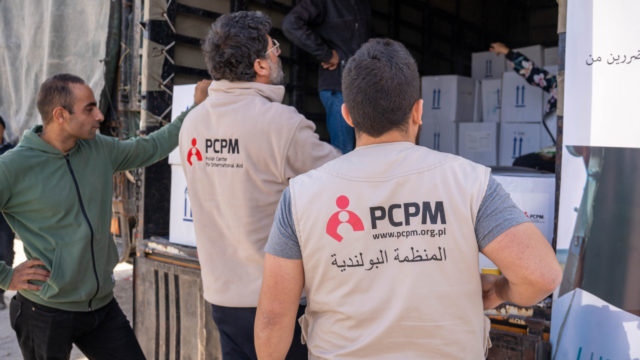
“. We are preparing to launch assistance, if necessary, similar to what we provided from September to November 2024. This would include support in collective shelters, such as the distribution of food, water, blankets, and other essential items,” says Rana Gabi, Director of PCPM’s Middle East mission.

30,000 refugees
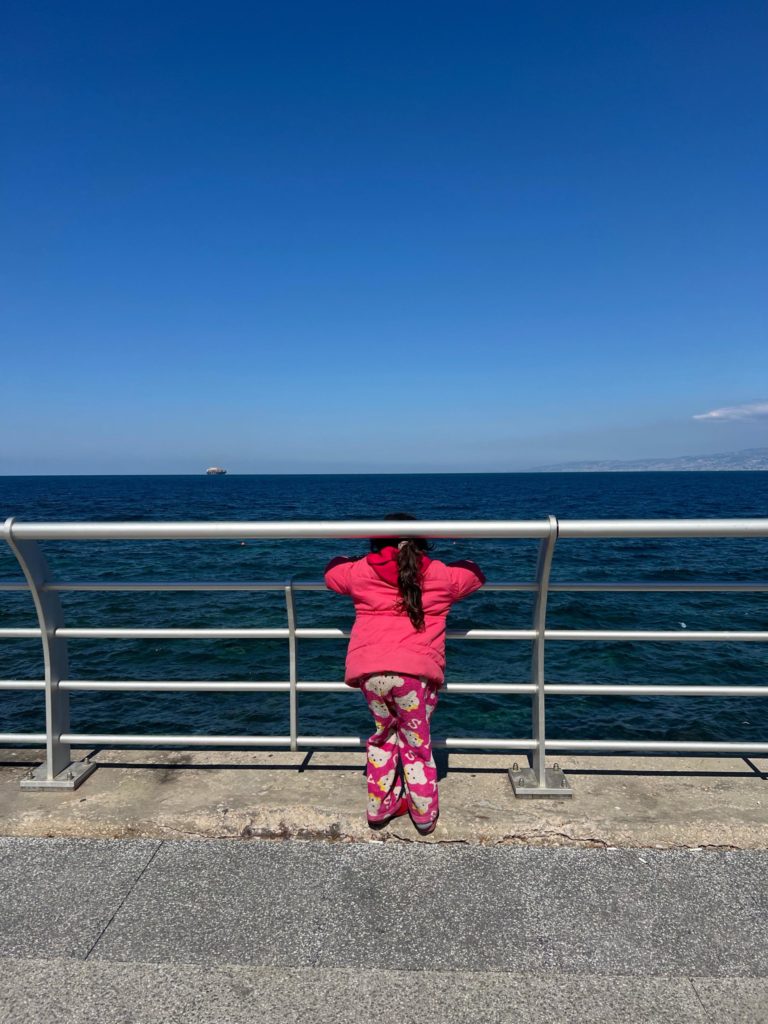
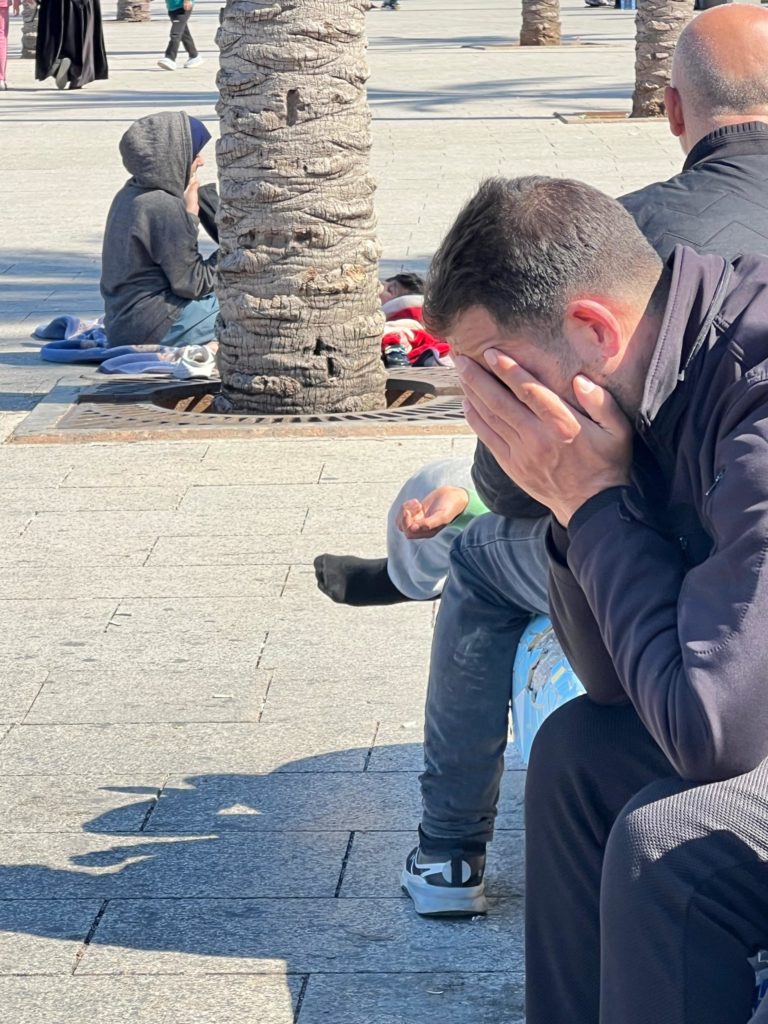
According to information from the local administration, almost 30,000 people who left their homes following the recent nighttime shelling are currently staying in 140 operational collective shelters in Beirut and surrounding areas. As many as 49 of these centers are completely overcrowded. The first internally displaced families have also arrived in the Akkar region in northern Lebanon, where PCPM provides humanitarian assistance.
This situation may lead to a further increase in humanitarian needs. Hundreds of thousands of refugees from Syria are still residing in Lebanon, placing additional strain on local infrastructure and support systems. At present, none of these collective centers in Lebanon has space for additional people fleeing their homes due to armed conflict.
This threatens to trigger another humanitarian crisis, similar to the one witnessed in 2024. It is important to remember that hundreds of thousands of Syrian refugees remain in Lebanon.
“People need basic products”
“The most urgent needs are safe shelter, food, water, access to hygiene, and basic medical care. It is also crucial to ensure protection for women, children, the elderly, and people with special needs, as well as to prevent sanitary risks,” Rana Gabi emphasizes.
The PCPM Foundation has been operating in the Middle East for over 15 years, implementing projects in Iraq, Syria, Lebanon, and Palestine. The organization has prepared emergency response scenarios that can be activated if the situation further deteriorates. The Polish team is currently outside the country, while local staff continue their operations in northern Lebanon, where the situation remains relatively safe.
As a humanitarian organization, we call for respect for international humanitarian law and the protection of civilians.


