

Lebanon facing humanitarian crisis – what we know right now
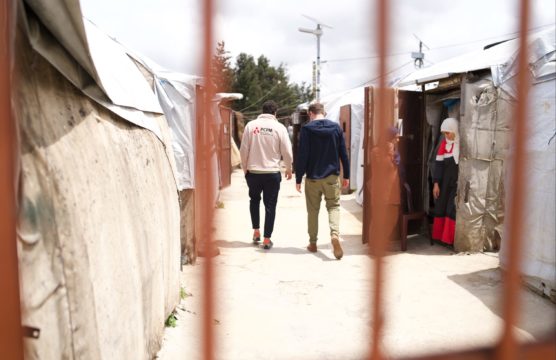
What’s really happening on the ground in Lebanon right now? We sat down with our Emergency and Preparedness Coordinator for the Middle East, Elie Keldany, to hear firsthand what communities are facing amid deepening humanitarian strain. As ceasefire talks make headlines, a pressing question remains: are civilians actually feeling any relief? From urgent needs to the realities behind the headlines, we talk about what our response looks like and what more must be done.
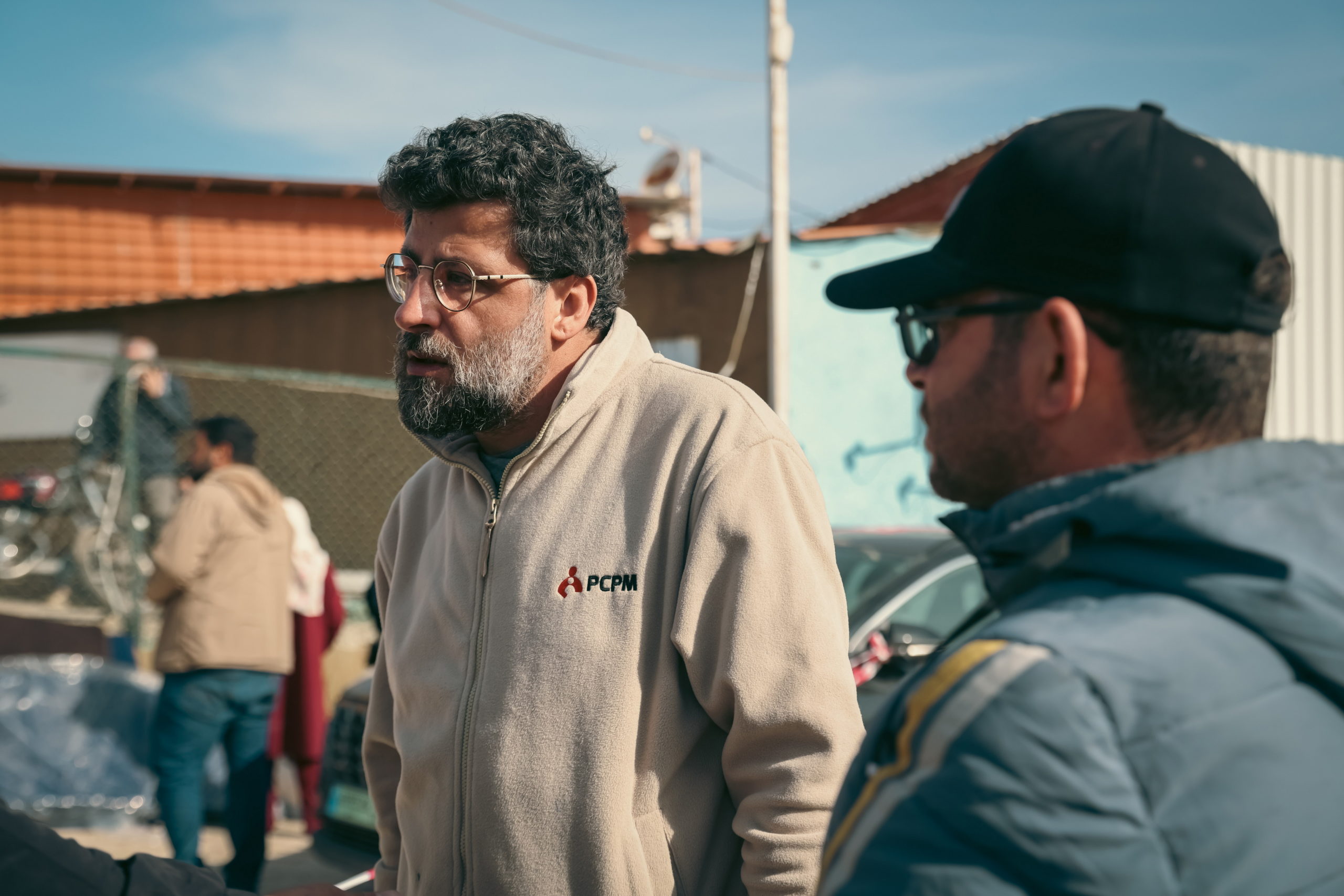
After last week’s events in Lebanon, media coverage has quieted. Has the situation improved? What do we know now?
While headlines have faded, the reality on the ground has not improved. Since April 9, the intensity of airstrikes on Beirut and its southern suburbs (Dahiyeh) has decreased, but the violence has not subsided – it has shifted.
What does that mean?
Southern Lebanon is now the epicenter. The region is facing what many describe as a “scorched earth” campaign, marked by high-casualty strikes and the systematic destruction of entire areas. A direct strike on a Lebanese Red Cross vehicle killed one medic and injured another – an alarming escalation targeting emergency responders.
What’s the humanitarian impact?
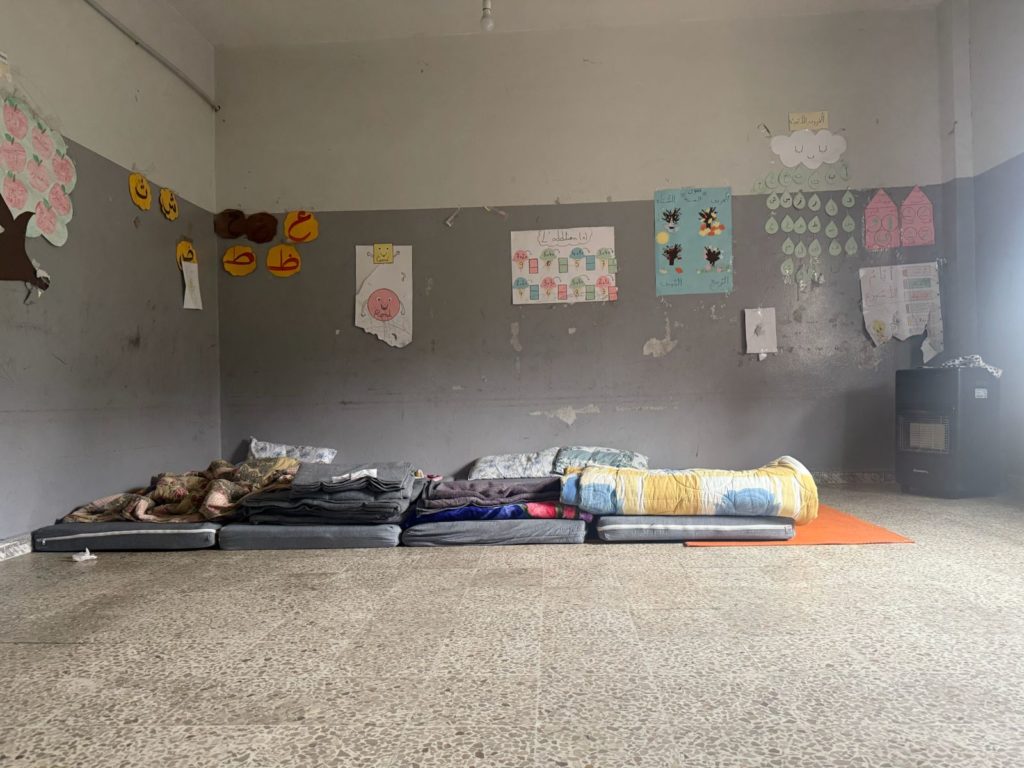
The situation is getting worse by the day. People are being forced to leave everything behind. Over a million have already fled their homes. What’s most heartbreaking is the human cost – lives lost, families torn apart, and communities shattered. Hospitals are no longer safe places to heal, and schools – spaces meant for children – have turned into shelters. It’s not just a crisis on paper, it’s a daily struggle for survival for so many.
What are the current humanitarian needs?
Humanitarian actors warn that the response is reaching a breaking point – needs now far exceed available resources. Urgent priorities include food assistance, hygiene kits, basic household items, and cash support-especially for rent.
What began as a political and military crisis is rapidly evolving into a full-scale humanitarian catastrophe.
What is PCPM currently providing on the ground?
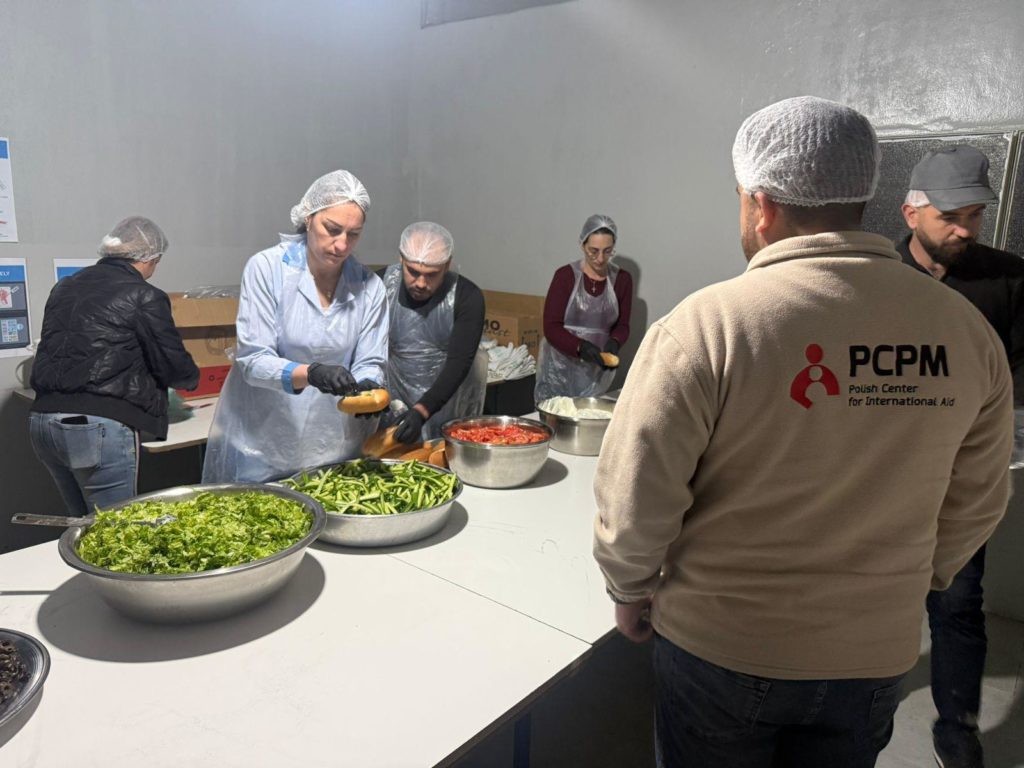
Since the escalation began, PCPM has activated its contingency plans, drawing on experience from the 2024 crisis. We are currently providing hot meals and drinking water to internally displaced people (IDPs) in Akkar, in northern Lebanon – an area considered relatively safe and now hosting large numbers of displaced families. The response is also evolving. PCPM is expanding into food parcel distributions, particularly for families living outside formal shelters.
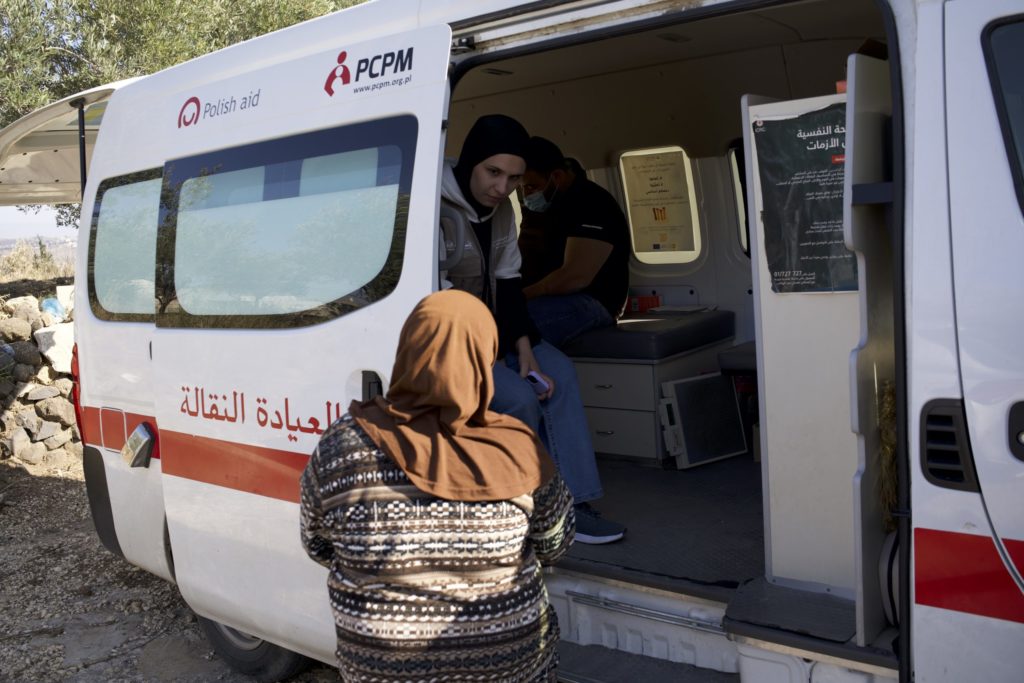
In healthcare, the organization has already equipped eight Primary Healthcare Centers with essential medicines, including treatments for chronic illnesses. It also supports a mobile clinic operating in Akkar, delivering medical care directly to displaced populations in shelters.
How long has PCPM been operating in Lebanon, and what does its work look like today?
We have been active in Lebanon since 2012. What began as a targeted response to the Syrian refugee crisis has evolved into a broad, multi-sector humanitarian and development program supporting refugees, displaced populations, and host communities. Through its partnership with the Lebanese Humanitarian Fund, we also delivered sustained food assistance during Lebanon’s ongoing economic crisis.
More recently, during the escalation of late 2024 and into 2026, PCPM supported newly arrived Syrian refugees following violence on the Syrian coast. In Akkar and Hermel, we provided hot meals and food parcels to meet urgent needs.
Today, PCPM is a key humanitarian actor in Akkar, combining healthcare support, mobile clinics, food security programs, and close coordination with local authorities.
What does support for people displaced from southern Lebanon look like?
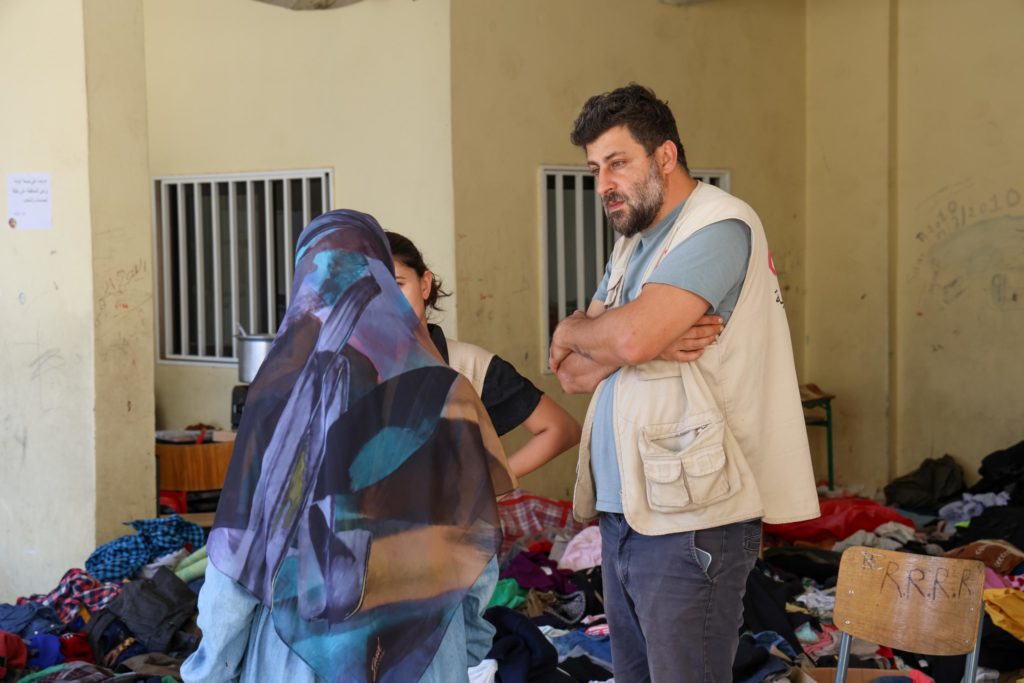
Displacement has been sudden and chaotic. Many families fled under bombardment with little or no belongings. As a result, their needs are immediate and wide-ranging. Basic support includes shelter – often in schools or collective centers – along with mattresses, blankets, lighting, hygiene supplies, food, and safe drinking water.
What sets PCPM apart from other organizations?
PCPM’s strength lies in its deep local integration and long-term presence. The organization works closely with UN coordination structures, contributing not only operationally but also to planning and guidelines. Its partnerships with key emergency actors-such as the Lebanese Civil Defense and the Lebanese Red Cross-have strengthened its role in crisis response. Although an international organization, PCPM operates with a fully local team in Lebanon. This ensures a grounded, real-time understanding of needs and allows for faster, more targeted interventions.
What impact has the continued escalation and ceasefire uncertainty had on civilians?
Even with the announcement of a 10-day ceasefire, uncertainty remains the dominant reality for displaced families. Prolonged conflict is taking a heavy psychological toll, as people live in constant fear for their homes, livelihoods, and loved ones. Meanwhile, collective shelters, never designed for long-term use, are becoming increasingly strained.
As displacement continues, so too does the risk of rising tensions-both within overcrowded shelters and between displaced populations and host communities. In an already fragile country, these pressures could further destabilize the situation.
Funding remains a critical challenge. Lebanon lacks the resources to respond at scale and depends heavily on international support, which remains insufficient.
We encourage you to support our mission in Lebanon via pcpm.org.pl/lebanon


