

“Our help remains only a drop in the ocean of human tragedy”
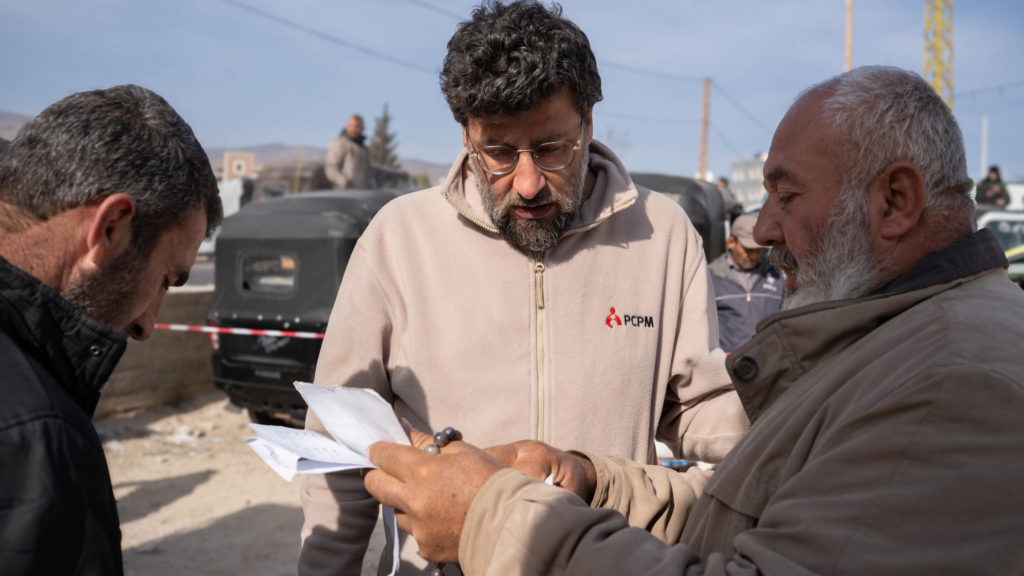
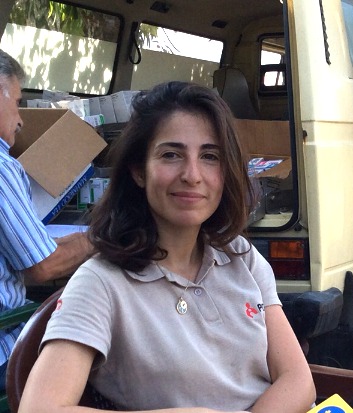
says Rana Gabi, Director of Programs for the Middle East, outlining the deepening humanitarian crisis in Lebanon and the challenges faced by the PCPM Foundation. Together with Elie Keldany, Coordinator for Preparedness and Crisis Response in the Middle East, they share not only a professional perspective but also a personal one.
In recent weeks, Lebanon has come under international media attention due to the intensification of Israeli airstrikes across various parts of the country. Although a ceasefire has formally been announced, the situation on the ground continues to deteriorate day by day – the attacks have not completely stopped but have instead taken a more dispersed and less visible form.
In the media, a narrative dominates of tension persisting “below the threshold of war,” where regular military incidents coexist with declarations of de-escalation. At the same time, narratives concerning the long-term consequences of the conflict are far less visible – particularly the worsening humanitarian crisis, strained infrastructure, and growing uncertainty about the future among the civilian population. This gap between the international portrayal of the conflict and its local reality has become a key point of analysis in understanding the current situation in the country.
Is the ceasefire just an empty declaration, a diplomatic gesture without real substance?
Elie Keldany: Despite the announcement of a 10-day ceasefire that came into effect on April 17, it quickly became clear that the truce is fragile and unstable. The initial relief did not last long; it was soon overshadowed by further violations, escalation, and the destruction of homes and infrastructure. The Israeli military is targeting towns in the south of the country, and around 74 of them have been designated as no-go zones for residents. This shows that security risks remain extremely high.
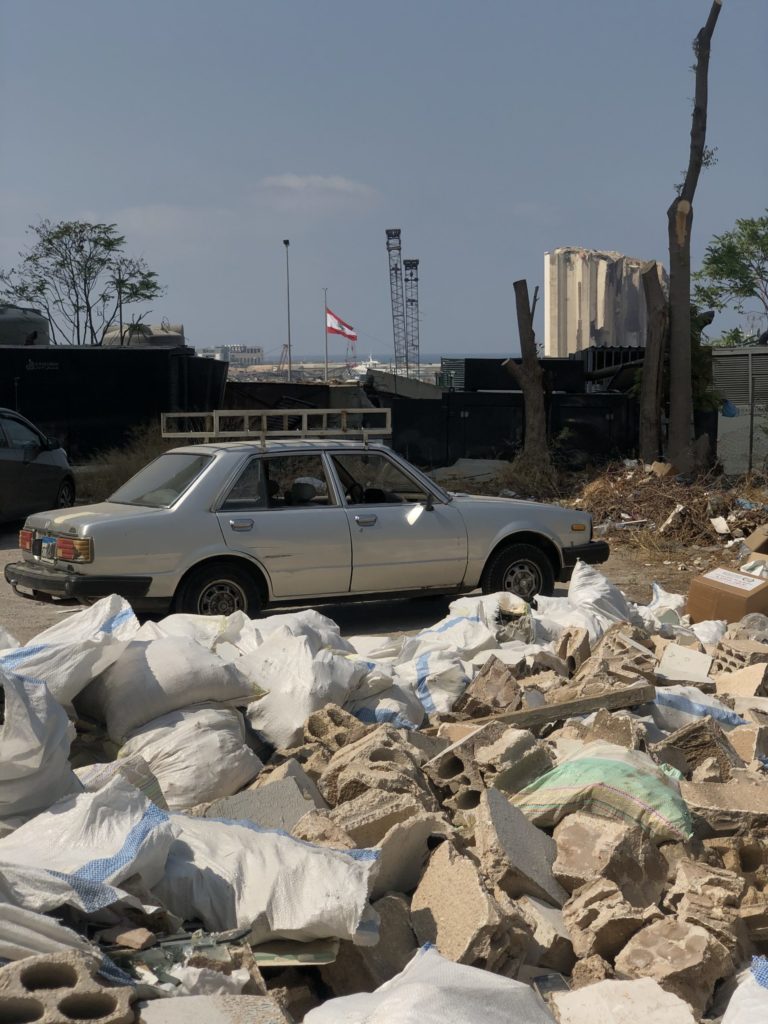
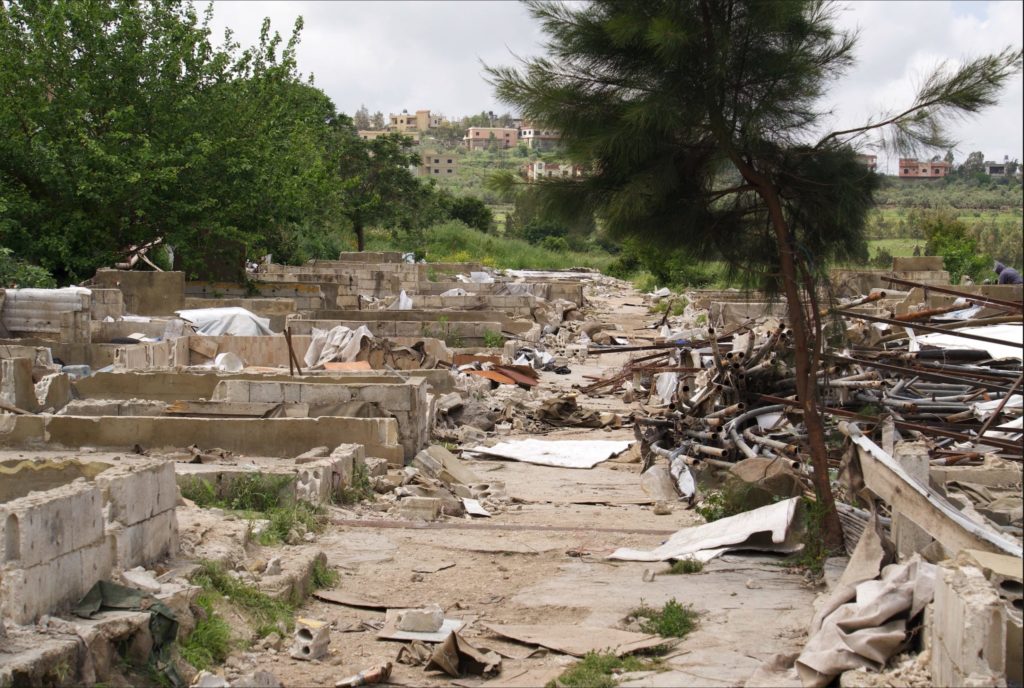
In parallel with military operations, a policy of systematic demolitions is being implemented. Reports of large-scale controlled explosions in towns such as Chama, Khiam, Aita al-Shaab, Taybeh, and Markaba suggest a deliberate plan to render these areas uninhabitable. This is further supported by information indicating that the Israeli military intends to establish 15 bases on Lebanese territory, pointing to a long-term presence and military activity aimed at preventing the return of internally displaced people.
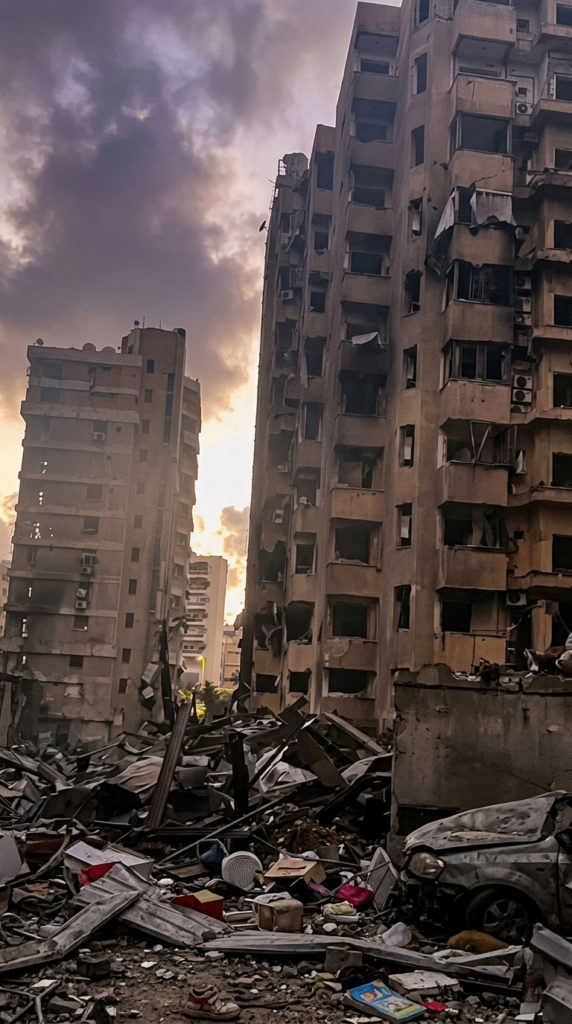
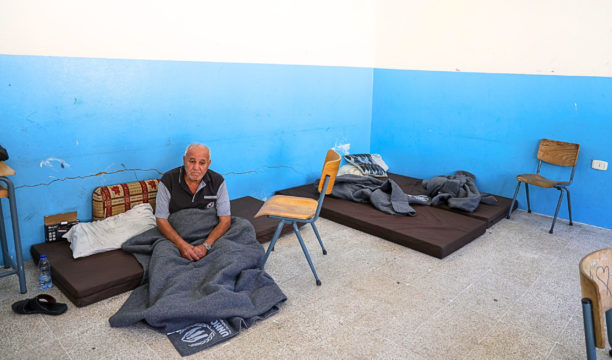
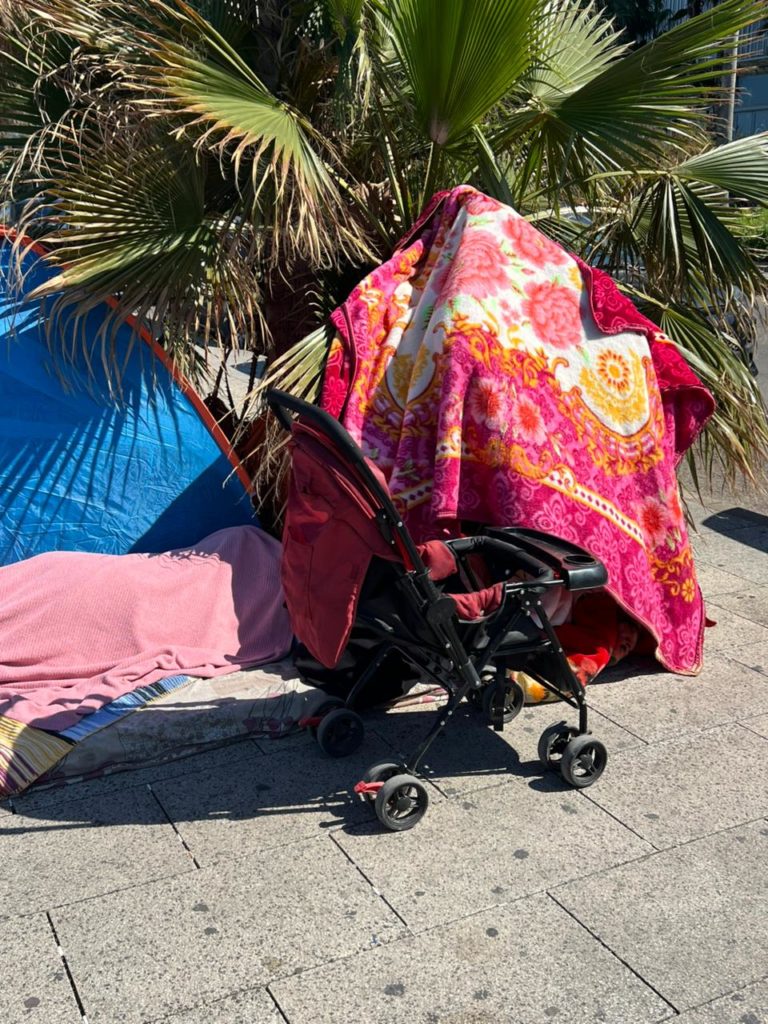
Over 1.2 million people have been forced to leave their homes, and more than 140,000 are currently staying in nearly 700 collective shelters. However, this represents only a small fraction of all internally displaced persons – just over 10%. The vast majority remain outside the formal support system – we see people sleeping in tents in city streets, in temporarily rented apartments, and in informal shelters. The over one million people mentioned are those fleeing the war – but the number of Lebanese affected is even higher.
What about those who chose to stay?
Rana Gabi: In the capital, thousands of people remain in streets and public squares. They prefer to stay in Beirut, close to their former neighborhoods, hoping to return. A key reason for this decision is the fear that leaving home would mean losing it permanently. Attachment to the land is of fundamental importance; it is seen as part of identity. Continuous presence in these areas for centuries is treated by them as an existential form of “resistance.”

This social phenomenon is characteristic of the region – a strong attachment to place of residence and land takes on not only cultural but also political significance. In relation to Lebanon, the concept of Palestinian sumud – steadfastness and perseverance – helps capture similar attitudes in times of crisis: the decision to stay or return and to maintain ties with one’s home despite ongoing escalation of conflict. Not everyone has that possibility; in some cases entire families have nothing to return to. What is the scale of destruction?
Elie: Many returning residents have found their homes largely destroyed. Videos circulating on social media have shown soldiers inside civilian homes, using their belongings and food supplies, as well as reports of looting, which further increased fear and anger among residents. At the same time, people attempting to return are exposed to serious danger, both due to ongoing military operations and unexploded ordnance, including cluster munitions. Numerous incidents have been recorded, and remnants of war pose a direct threat to civilians, especially children and farmers, making safe returns difficult. The situation has been worsened by renewed shelling and official warnings not to return. As a result, many families have once again been forced to turn back and relocate, showing a repeated cycle of displacement in a very short time.
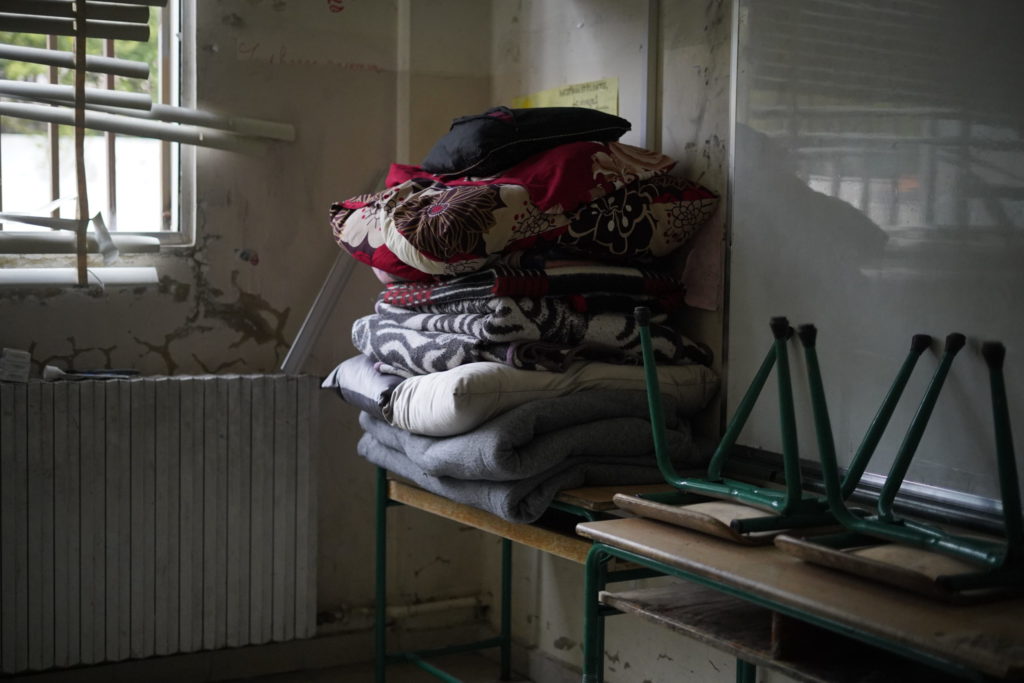
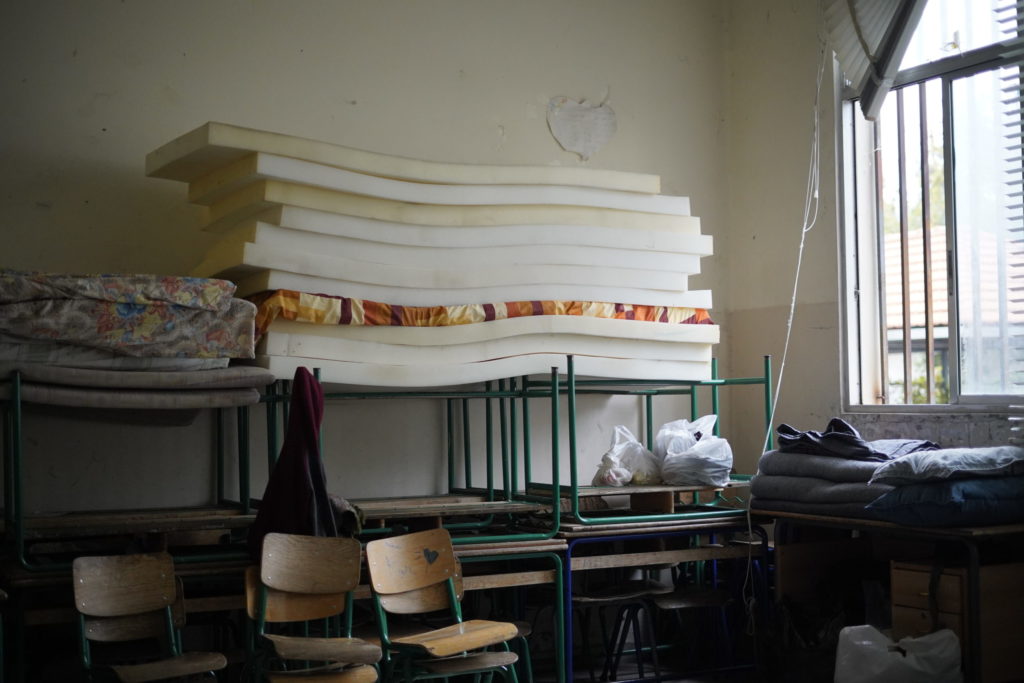
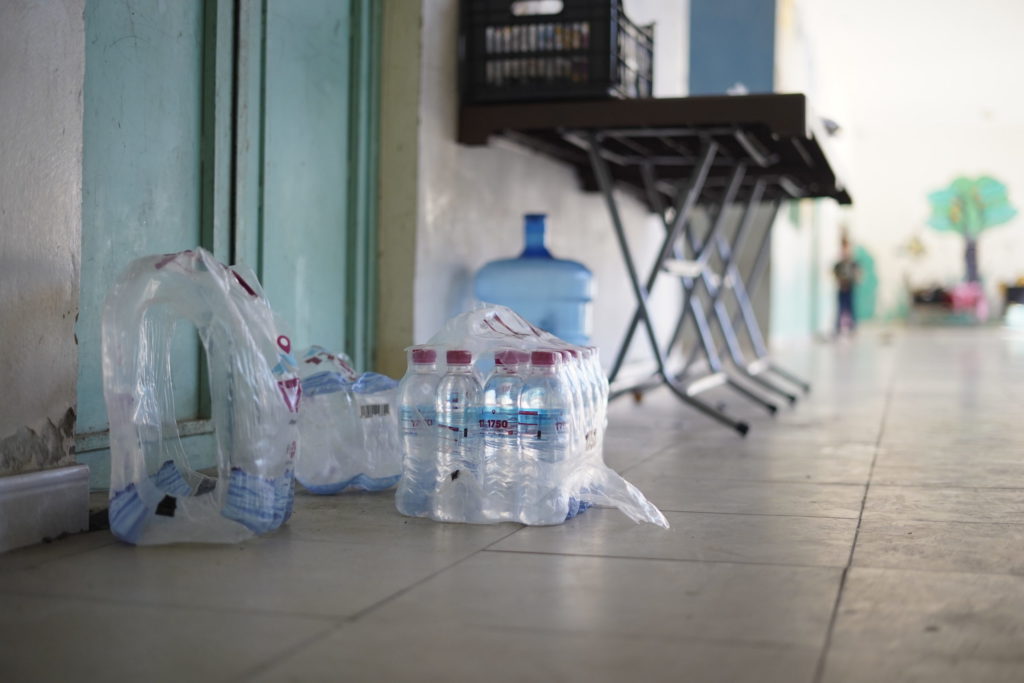
At the same time, two parallel processes are taking place: the massive scale of forced displacement and the decision of a significant portion of the population to remain in their places of residence despite the risks. This means the aid system operates in conditions of dispersion, where some people reach formal centers, but the majority function outside them.
In such a situation, the key question is not only the scale of needs, but also how they can be identified and addressed under conditions of dispersion, uncertainty, and limited access.
What currently determines the ability to deliver aid in conflict-affected areas? What most hinders the work of humanitarian organizations in the field today?
Rana: On a daily basis we face an enormous scale of needs, and our assistance remains only a drop in the ocean of human tragedy. Many families live in undignified conditions, despite having no influence over the conflict that has destroyed their lives.
We make every effort to ensure continuity of support – both by securing additional funding and by referring families to other organizations that still have available resources.
What affects us most is the lack of respect for international humanitarian law. Journalists are being attacked, medical facilities are being shelled, and even previously agreed humanitarian convoys are being targeted. All of this increases fear among the people we assist and significantly limits our operational capacity, requiring constant security coordination.
Elie: A serious incident occurred on April 22, when journalists were directly fired upon while taking shelter in a house after an attack on a vehicle in front of them. An ambulance of the Lebanese Red Cross, dispatched to evacuate them, was also shelled, raising serious concerns about the safety of journalists and humanitarian workers.
Amal Khalil, a Lebanese journalist and correspondent for Al-Akhbar, was killed while reporting from southern Lebanon in that strike. Her colleague, photographer Zeinab Faraj, was injured. According to Lebanese authorities, the women were deliberately targeted while sheltering in a house after an earlier airstrike hit the vehicle in front of them.
How do you continue humanitarian work with this awareness of risk? How does it affect you personally?
Rana: Despite training and experience in responding to such situations, our team often experiences significant psychological strain, as every day we are directly confronted with human suffering. It is deeply distressing to see buildings full of children and elderly people being bombed, without the possibility of evacuation, and to witness our colleagues from the Lebanese Red Cross and other medical teams risking their lives to provide life-saving assistance.
In such moments we feel helplessness, and this feeling does not end with the workday – it stays with us at home and remains part of our daily lives. We try not to let it overwhelm us; we try to act as if we are programmed, maintaining rationality and objectivity, yet the sense of helplessness remains strong.
What are currently the biggest challenges for Lebanese people in the south of the country and in the capital?
Elie: The humanitarian crisis in Lebanon is no longer limited to the south, Beirut, or the Bekaa Valley – it affects the entire country. The conflict has deepened the already difficult economic situation of families, especially those who were previously living in poverty. People have lost homes, livelihoods, and entire farming seasons, while the situation is further worsened by rapidly rising food prices due to increasing fuel, transport, and raw material costs. Lebanon, heavily dependent on food imports, is particularly vulnerable to price fluctuations and supply chain disruptions. Farmers and small producers are increasingly warning that continued operation is becoming impossible.
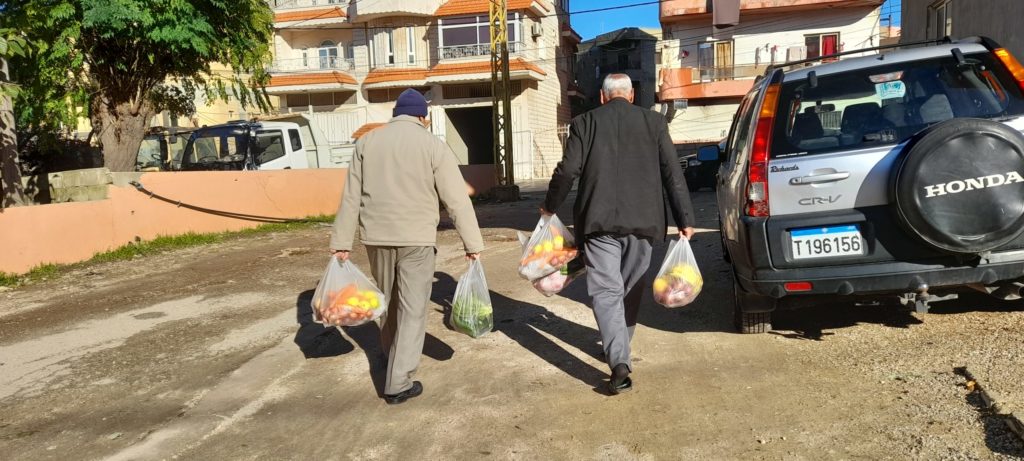
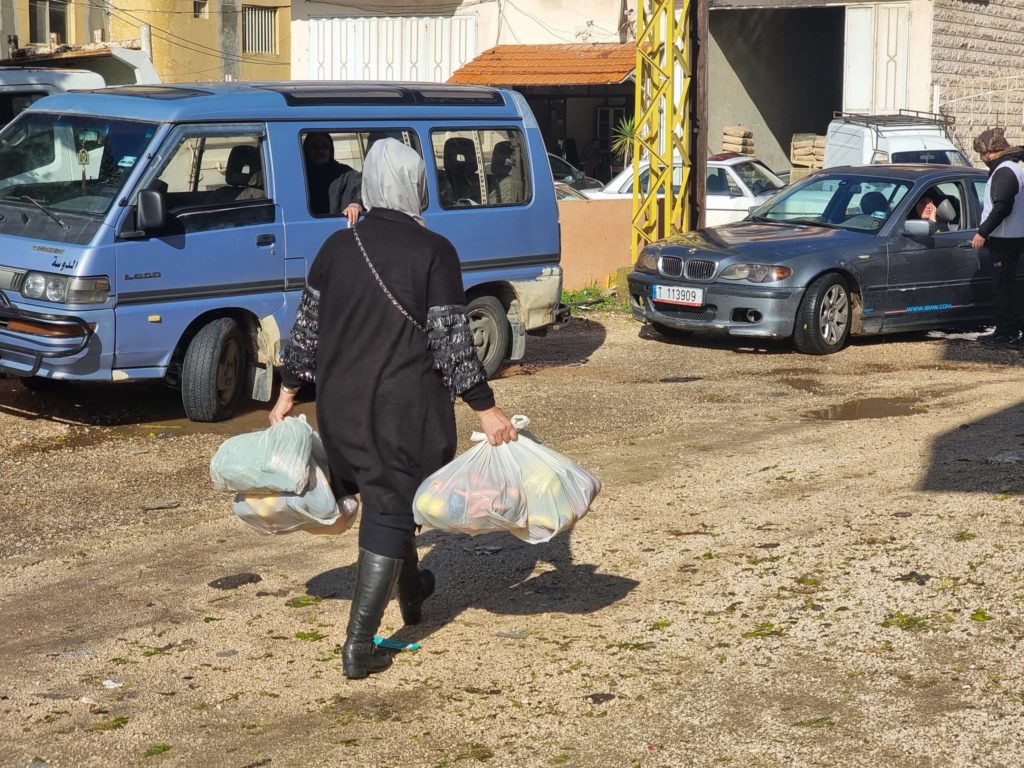
Rana: The country has entered a particularly dangerous phase – the war has deepened sharp political, social, and sectarian divisions. Education across the country has been severely disrupted. Schools in the south remain closed due to direct fighting, while many others have been turned into temporary shelters. The psychological situation is also extremely difficult. Most displaced people require intensive psychosocial support, especially children. Many have experienced repeated trauma related to shelling and its sounds, as well as the loss of loved ones and friends. The consequences of these experiences remain largely unaddressed.
Elie: At the same time, the healthcare system is under enormous pressure and is now among the most affected sectors. All of this shows that the humanitarian and economic crisis continues to worsen, in conditions of an unstable ceasefire, ongoing security threats, and the absence of lasting solutions that would allow people to return home safely and with dignity.
The consequences of the war are not limited to the immediate threat to life from the bombing of civilian infrastructure and residential buildings. The long-term social and economic effects are less frequently reported in the media, yet they permanently shape the functioning of the state and the daily lives of its people. In this sense, security means not only the absence of military threats, but also economic stability, access to basic services, continuity of education, and the ability to plan for the future.
In conditions of constant uncertainty and repeated displacement, this dimension of security is profoundly undermined – both for those forced to flee and those who choose to remain despite the risks. Even if the current ceasefire leads to partial returns and the beginning of reconstruction, the experience of recent months leaves a lasting sense of uncertainty about the stability of the future.
From this perspective, the end of military operations does not necessarily mean a full restoration of security. Many communities remain in a prolonged state of uncertainty regarding real guarantees of civilian protection. For Lebanese people, the current crisis thus becomes not only another phase of conflict, but also an experience that undermines the foundations of social stability and the sense of continuity of the future.


