Lebanon’s Crisis Deepens Amid Ongoing Conflict
The war in Lebanon continues, particularly in the south of the country, forcing more families to flee their homes and deepening the humanitarian crisis. Following evacuation orders issued for the city of Tyre and attacks on Dahiyeh, new large-scale internal displacement has been observed across the country.
Relentless Displacement
On 7 June, approximately 4,000 families were displaced in Nabatieh Governorate and 30,000 families in South Governorate. Around 50,000 families were displaced from Beirut’s southern suburbs alone. Most sought shelter with relatives, in open areas, or in temporary tent settlements, while others moved to collective shelters, primarily in northern Lebanon.
The evacuation orders also affected Palestinian refugee camps in the Tyre area. Airstrikes targeted areas in the immediate vicinity of several Palestinian camps, further heightening protection concerns and humanitarian needs among already highly vulnerable communities.
Daily Life Amid the Crisis
The prolonged conflict is increasingly affecting everyday life. It is estimated that around one-fifth of agricultural land has been damaged, destroyed, or rendered inaccessible as a result of the conflict. Fuel prices have risen by 85% since the beginning of the year, while school closures and repeated displacement are disrupting children’s access to education and increasing risks related to their safety and protection.
PCPM’s Response
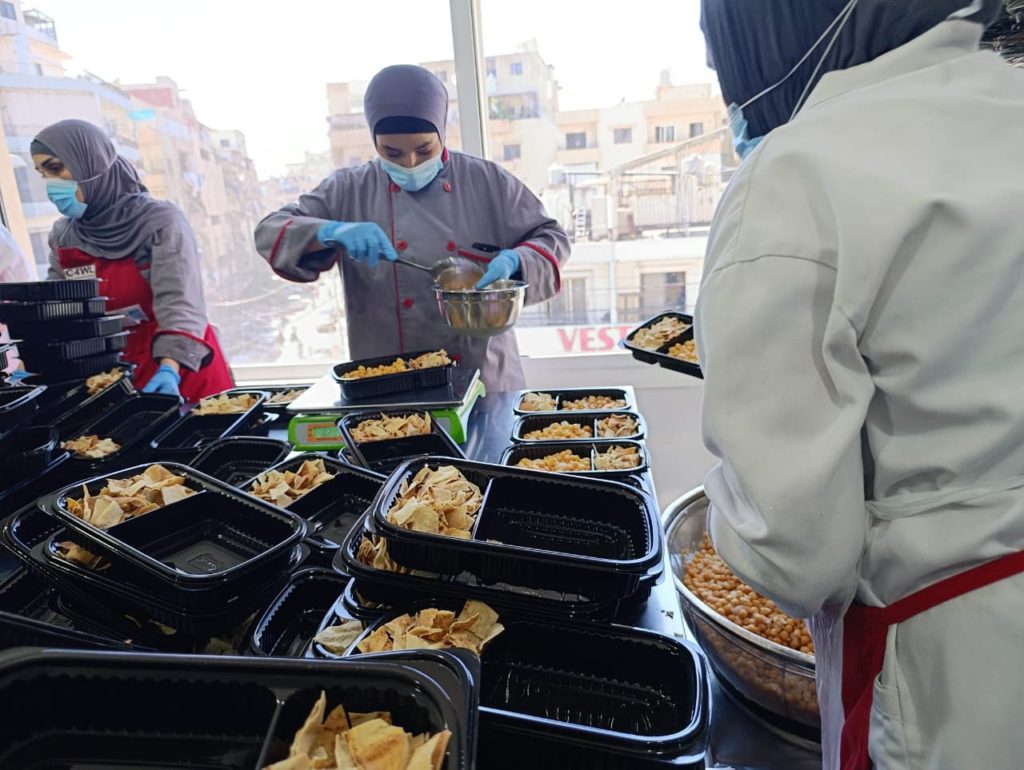
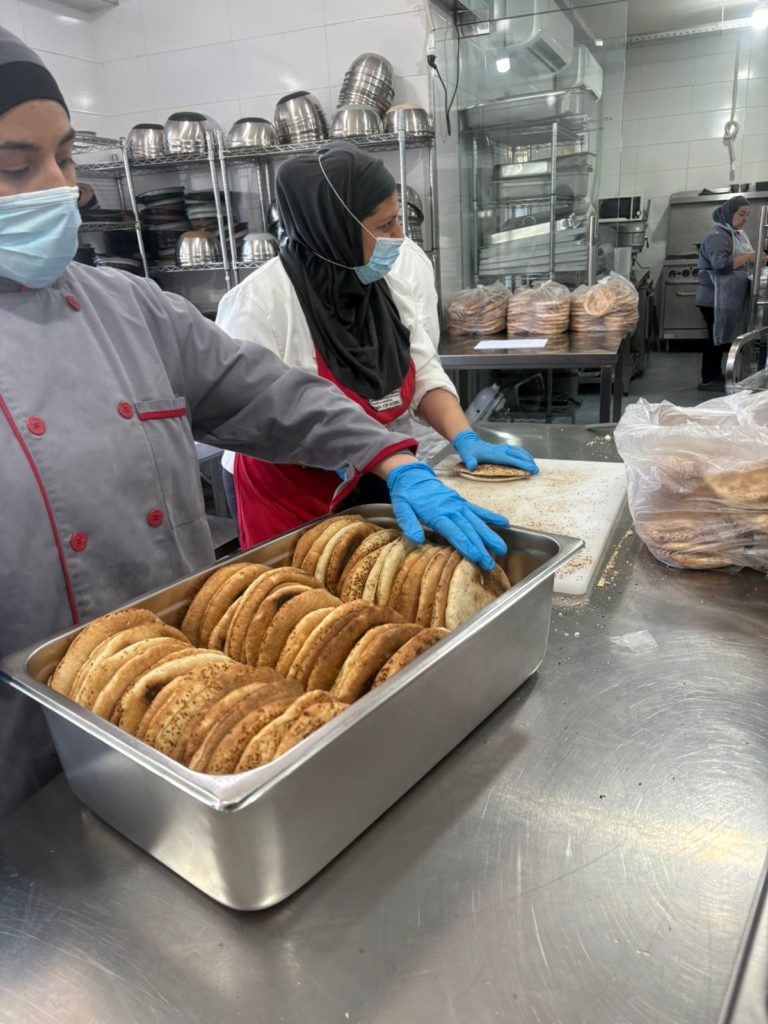
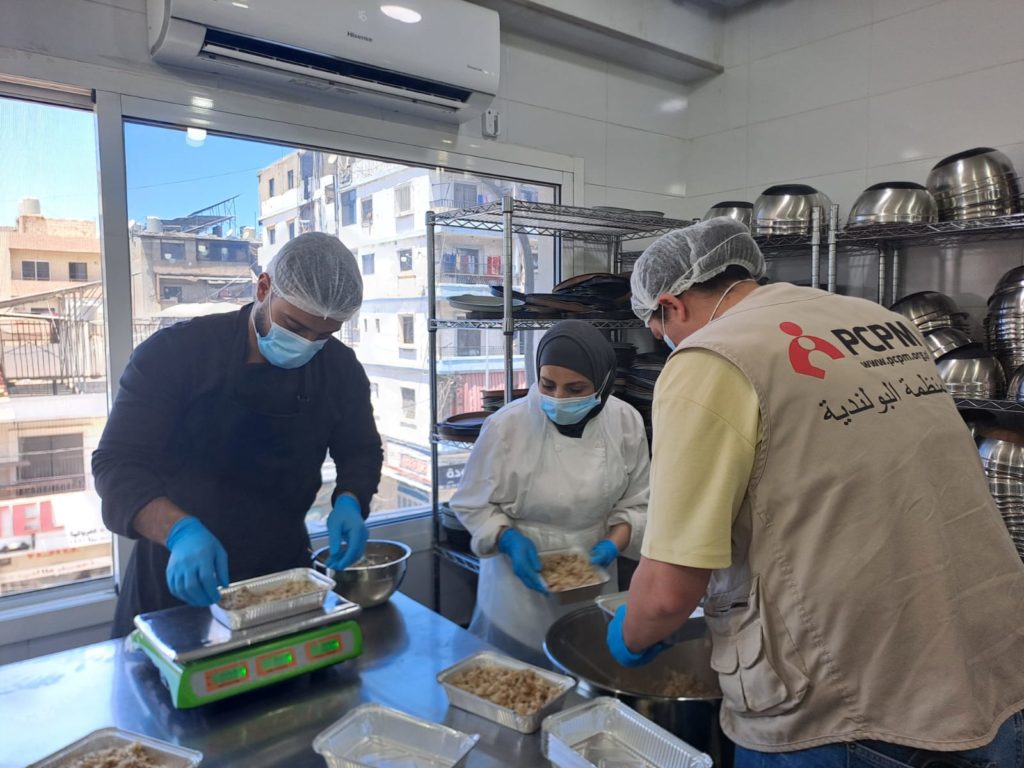
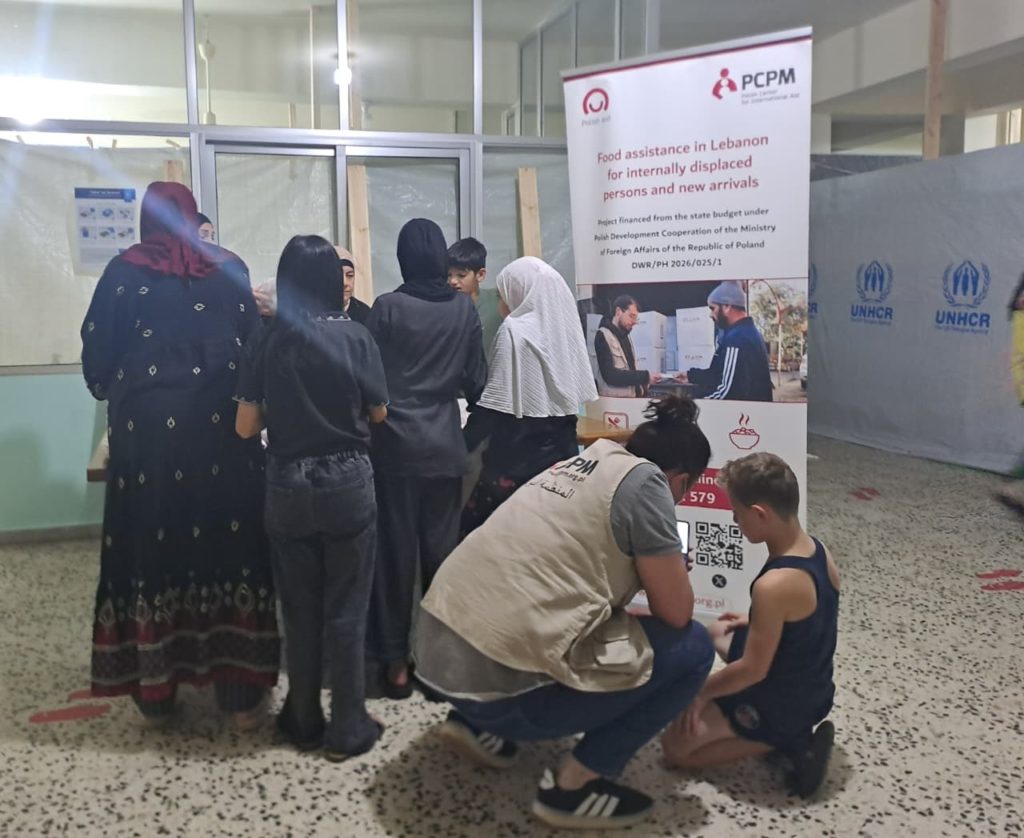
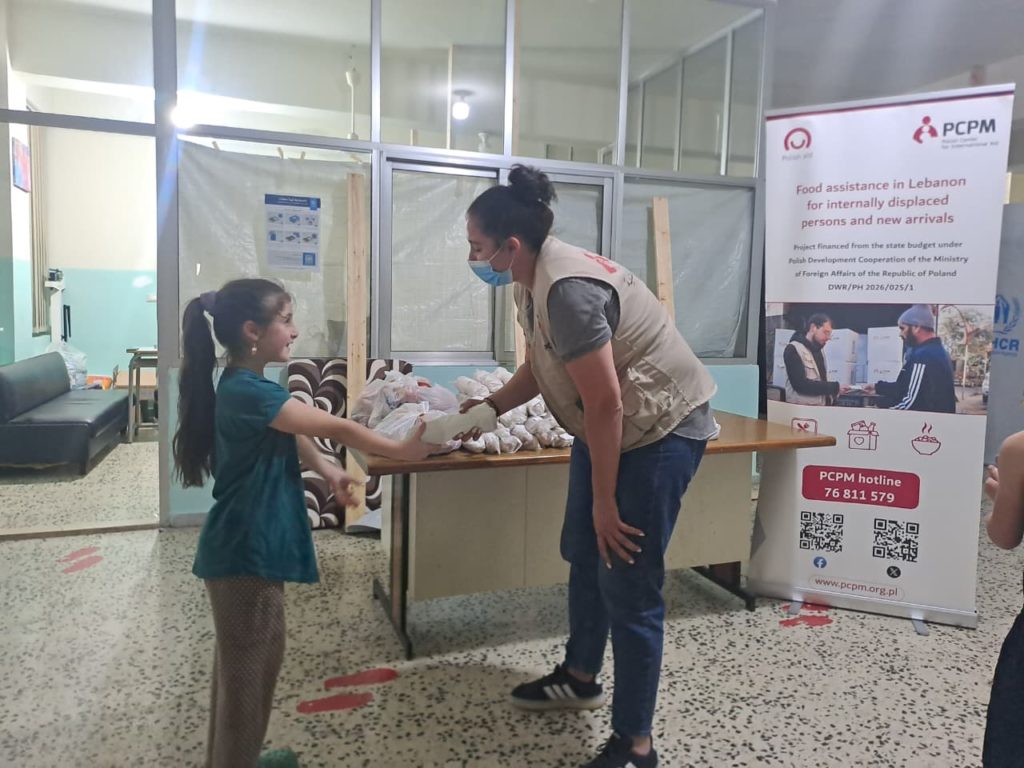
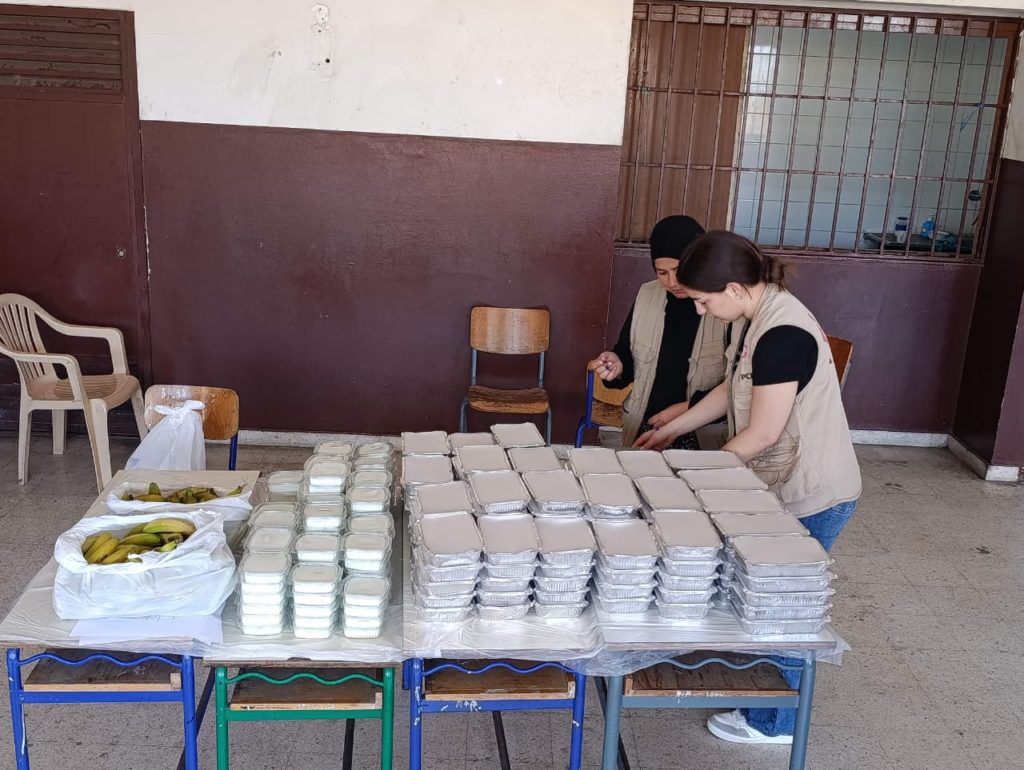
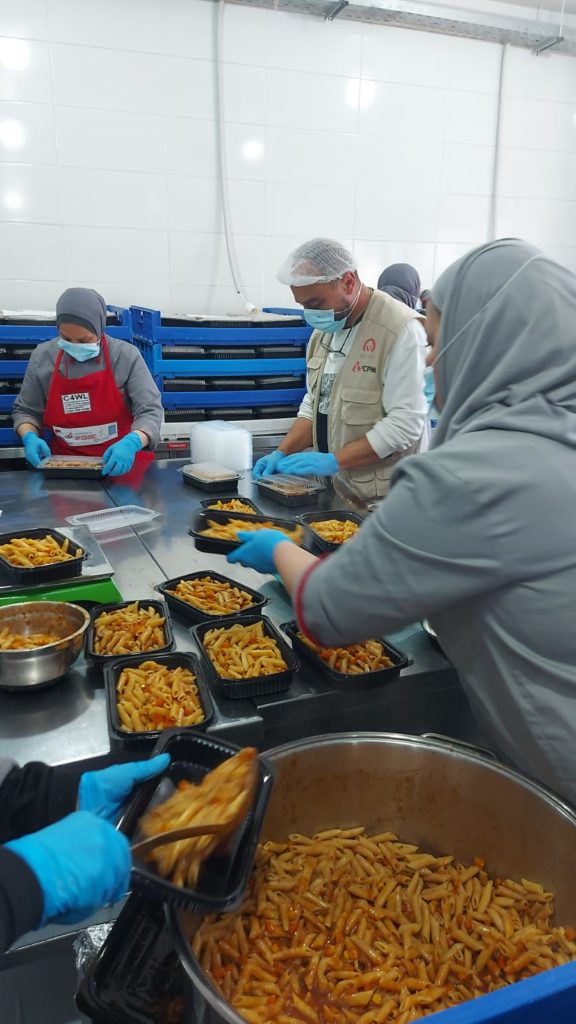
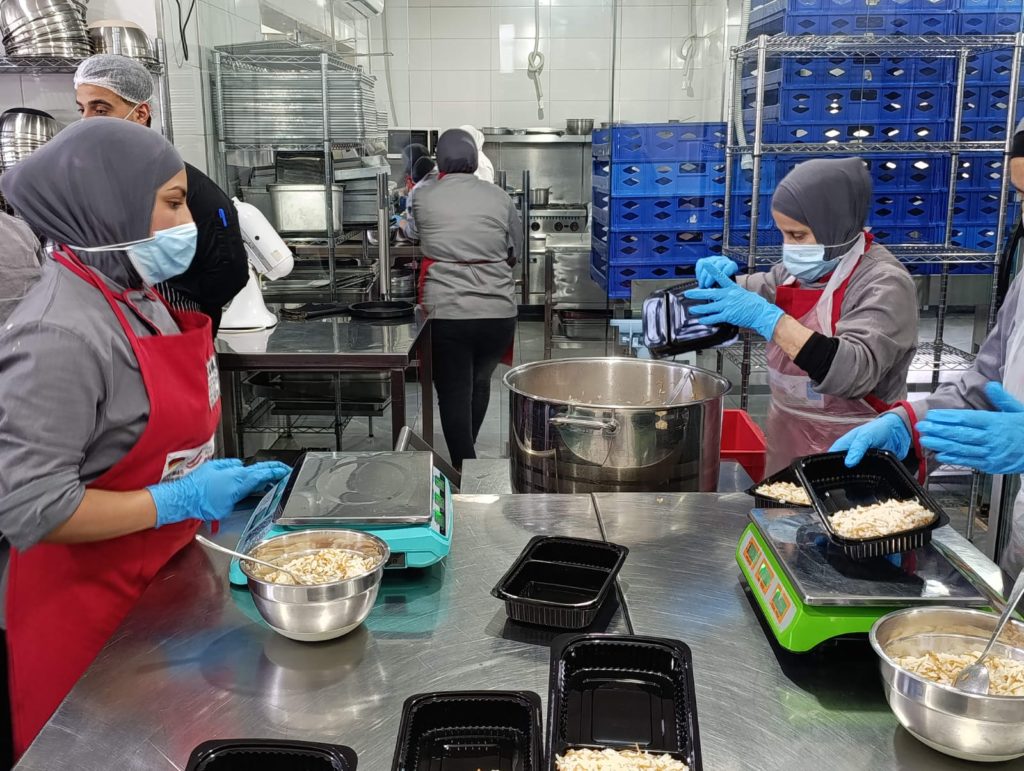
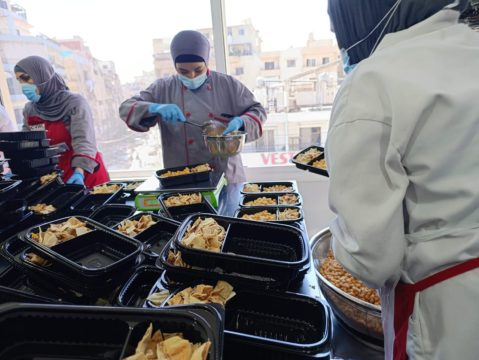
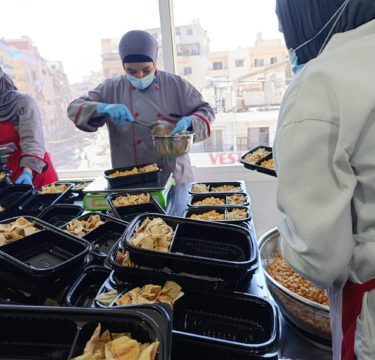
The PCPM team in Lebanon is responding daily to the needs of families affected by the crisis. We recently reported on the successful delivery of in-kind assistance to collective shelters. In recent days, we have provided hot and cold meals to 13 collective shelters for displaced people in northern Lebanon and distributed ready-to-eat (RTE) food kits to more than 4,700 people staying in 58 shelters in the Mount Lebanon region.
We also continue to support activities for displaced people in Tripoli, helping to maintain access to essential services for those most in need by funding the salaries of 13 kitchen staff members at a vocational school.
We are committed to ensuring that the assistance we provide has a lasting impact. This would not be possible without financial support from the Polish Aid Programme of the Ministry of Foreign Affairs of the Republic of Poland. We would like to thank all donors, partners, and supporters of our work. In the face of growing needs, every form of support helps save lives and restore dignity to people affected by the crisis.