

Relief for Venezuela thanks to the support of PCPM donors
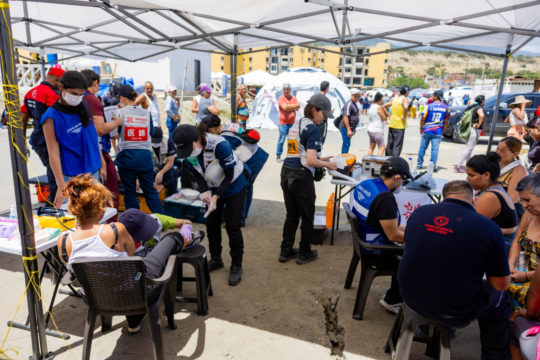
Thanks to the support of our donors, PCPM has contributed USD 12,000 to help people affected by the earthquake in Venezuela. The funds are supporting assistance provided by Peace Winds Japan, which are offering medical care and essential supplies to people who have been left in extremely difficult circumstances as a result of the disaster.
Two weeks after the disaster
Following the devastating earthquake that struck Venezuela at the end of June, thousands of families were left without shelter and access to basic medical care. In response to the crisis, the Peace Winds Japan emergency response mission and the medical team immediately began operations on the ground, with support from the Polish Center for International Aid.
In addition to injuries sustained during the earthquake, chronic illnesses, infections, and health problems caused by prolonged stays in temporary shelters are becoming increasingly serious concerns.
Medical care in extreme conditions
The Peace Winds Japan team we are working with in Venezuela is providing assistance in temporary field clinics set up inside tents. Initially, they provided medical care near Parque del Oeste in Caracas. The clinics are mobile and can be deployed each day wherever help is most urgently needed.
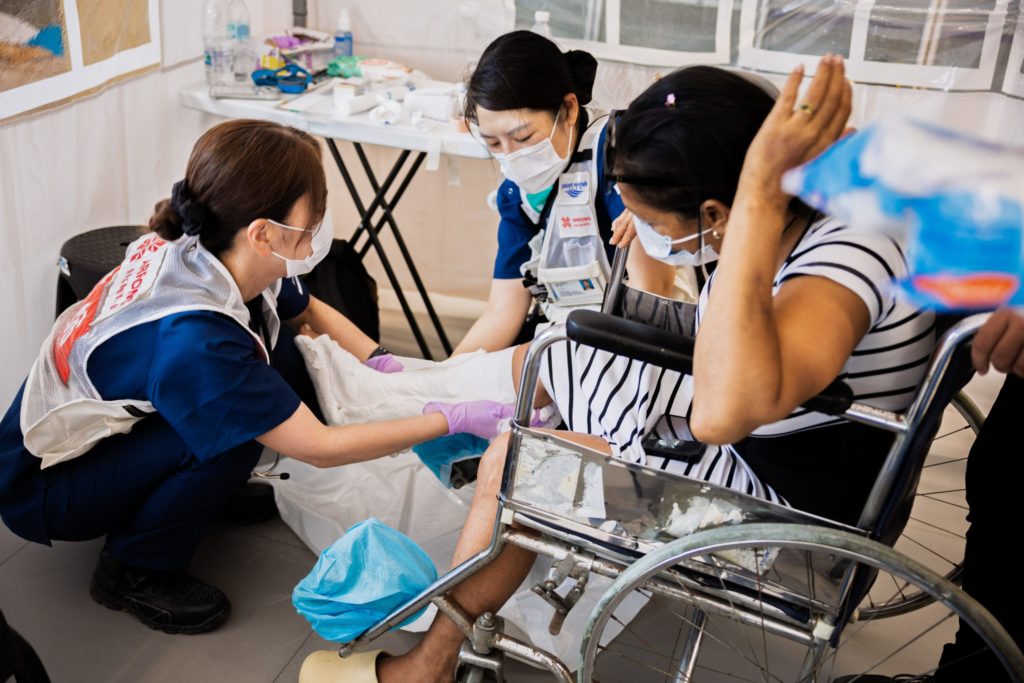
The team is working in extremely challenging conditions. Temperatures reach 40–45°C, while high humidity makes it difficult for both people and medical equipment to function properly. Diagnostic computers overheat, blood glucose meters can malfunction, and X-ray examinations are sometimes delayed because of the high temperatures.
Despite these challenges, the field medical points treat dozens of patients every day. The team has access to a mobile X-ray machine and an ultrasound scanner, allowing medical examinations to be carried out directly where displaced people are staying. This makes it possible to diagnose fractures and other injuries without having to refer every patient to already overcrowded and partially damaged medical facilities.
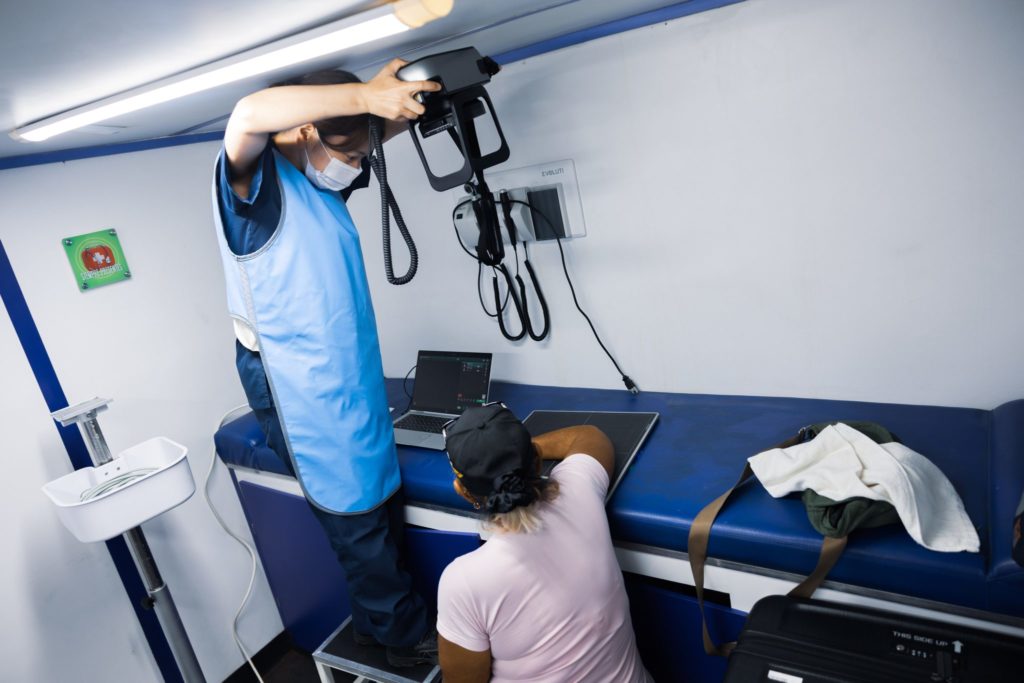
Doctors are helping not only people injured in the disaster. The field clinics also treat patients with chronic conditions whose health has deteriorated following the earthquake and the loss of regular access to medical care and medication. Over time, health problems associated with prolonged stays in tents and evacuation areas are also becoming more common.
Growing risk of disease and infection
The conditions in which people are living are extremely difficult. In overcrowded shelters, there are not enough toilets, clean water, soap, or basic hygiene supplies. This increases the risk of infectious diseases spreading, including measles and cholera.
Medical assistance therefore covers not only the treatment of injuries and chronic diseases, but also the response to new health problems emerging among people who have lost theirs homes and are living in collective shelters for an extended period.
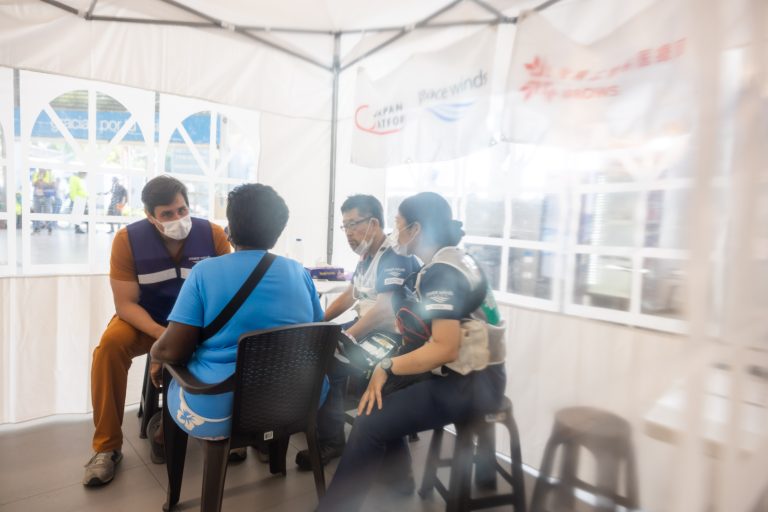
Support also means conversation and compassion
Assistance does not end with a diagnosis and medication. Many patients have lost their homes and belongings, and some have also lost loved ones. Others are experiencing severe stress and grief, while trauma can mean that people do not immediately recognize even serious injuries.
That is why team members stress the importance of talking to patients, listening carefully, and simply being there for them. Emotional support is an important part of helping people who have suddenly lost their sense of safety and security.
This wouldn’t be possible without our donors
Alongside direct medical care, essential supplies are also being distributed at evacuation sites and temporary shelters.
As part of the relief effort, affected people are receiving, among other things:
- clean, bottled water,
- hygiene products,
- soap and other supplies needed to maintain personal hygiene,
- sanitary pads and other hygiene products for women,
- diapers for children,
- infant formula and other supplies for babies,
- drinks for children,
- other essential items.
This combination of medical and material assistance is particularly important at this stage. With thousands of people still living in tents and limited access to water, sanitation, and basic supplies, even simple hygiene products or a bottle of clean water can help prevent further health problems.
PCPM’s support is made possible thanks to our donors. The USD 12,000 contributed by PCPM is helping to continue operations carried out together with Peace Winds Japan – from mobile medical care and diagnostics to the distribution of essential supplies to families staying at evacuation sites.
What’s next?
Emergency response activities are planned for at least another three to six months. As part of the next phase of our assistance, we will focus on the following key areas:
- Distribution of essential relief supplies to affected communities to help meet their basic and urgent needs.
- Support with accommodation and shelter to provide displaced families with safe, adequate, and dignified living conditions.
- Psychological first aid and mental health support to help individuals and families cope with trauma and difficult emotional experiences.
- Support in providing hot meals, in cooperation with local businesses and restaurants, to ensure that people in need have access to nutritious food.
- Care and support for pets that have been separated from their families or lost their owners, including providing food, shelter, medical care, and appropriate assistance.


