Between hope and despair. PCPM’s medical team reports from Gambia.
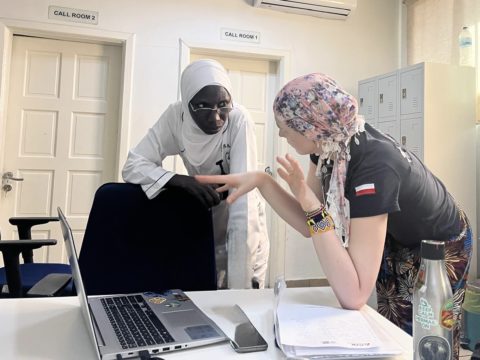
“This experience strengthened my conviction that safe childbirth should not be a privilege, but a right for every woman, regardless of where she lives in the world,” says Agata Tylkowska, a midwife with the Emergency Medical Team of the Polish Center for International Aid (PCPM), reflecting on her recent mission to Bundung Hospital in Gambia.
For most women in Gambia – the smallest country on mainland Africa – this right remains out of reach. Access to healthcare is far from guaranteed, and even basic prenatal or obstetric care is just a fantasy.
Paweł Szczuciński and Agata Tylkowska have just returned from their mission with PCPM’s Emergency Medical Team. Their work took place at Bundung Mother and Child Hospital, one of the country’s key obstetric and pediatric facilities. The team’s first visit was intended as an initial assessment – to observe, evaluate, and identify the most pressing challenges faced by hospital staff, as well as the most urgent needs of women and children receiving care.
Within hours of arrival, however, those plans collided with the realities of daily life in Gambia. The hospital is severely underfunded, struggling with shortages of both equipment and personnel.
In their first days on site, the PCPM team was drawn into immediate clinical work: assisting with deliveries, including complicated and life-threatening cases; treating women in the postpartum period; and conducting prenatal examinations. Even essential medicines and basic diagnostic tools were in short supply.
“I was confronted with a deep sense of helplessness,” recalls Tylkowska. “There were situations where, despite the staff’s best efforts, the lack of access to appropriate care determined the fate of women and newborns. Knowing that some of these tragedies could have been prevented with just slightly better conditions is heartbreaking.”
Another critical issue identified by the PCPM team is the severe shortage of staff. Roles and competencies are often blurred, with healthcare workers covering multiple specialties at once. The contrast is striking: on one hand, a team that is energetic, committed, and eager to learn; on the other, professionals who are overwhelmed and frustrated, fully aware that with adequate resources their work could be far more effective.
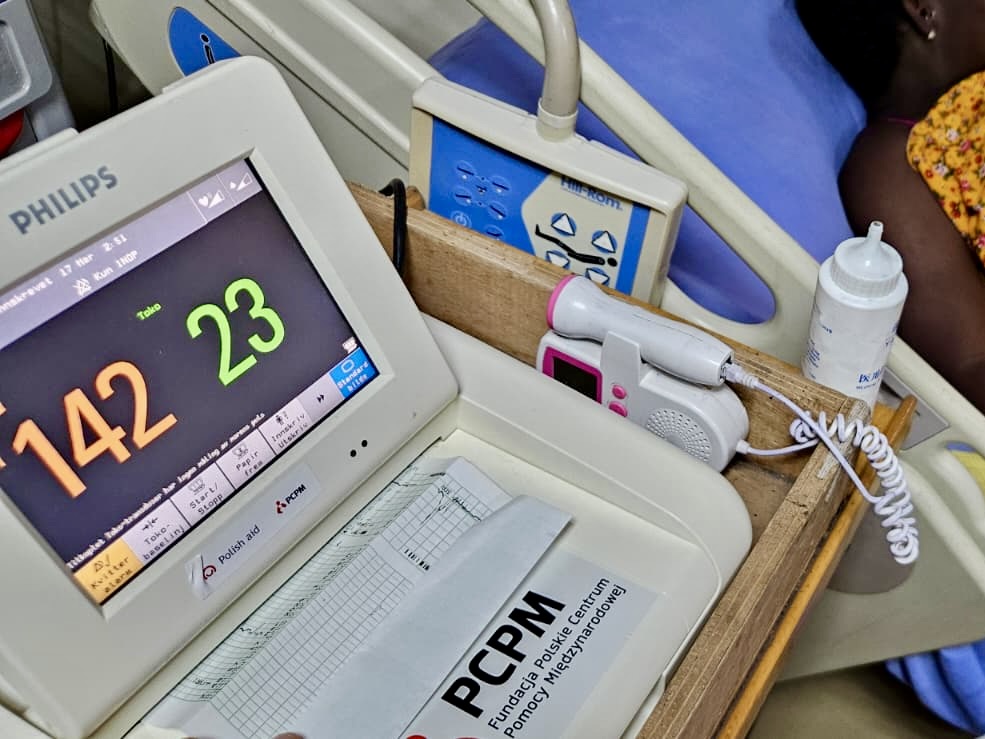
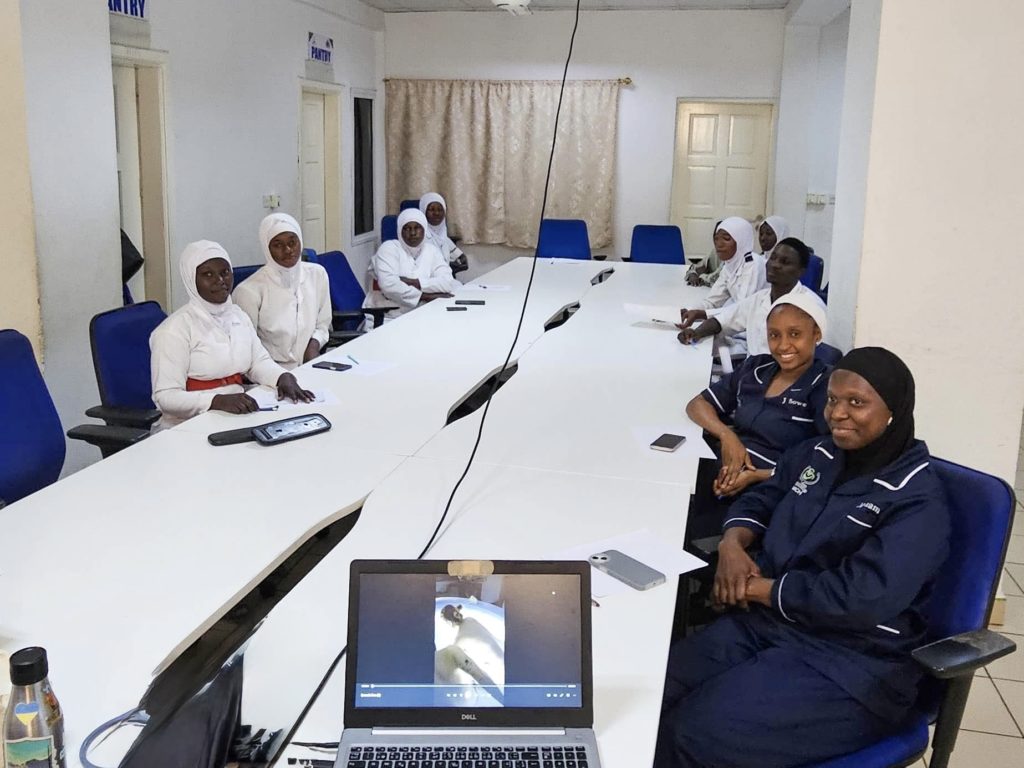
“At the hospital, I met midwives, nurses, and doctors who are deeply dedicated to their patients,” says Dr. Paweł Szczuciński, a pediatrician with PCPM. “What they lack are training opportunities that could make a tremendous difference. Introducing basic procedures, teaching proper neonatal resuscitation, and reinforcing the principles of safe childbirth could significantly improve newborn survival rates and reduce birth-related complications.”
The willingness to improve is there. What’s lacking is resources.
Bundung Hospital urgently needs support to provide patients with basic, effective healthcare and to relieve the burden on its overstretched staff. Importantly, the hospital team is keen to expand its knowledge, pursue specialization, and strengthen the workforce – particularly by adding specialists in obstetrics and psychotherapy to better support women, who make up the majority of patients.
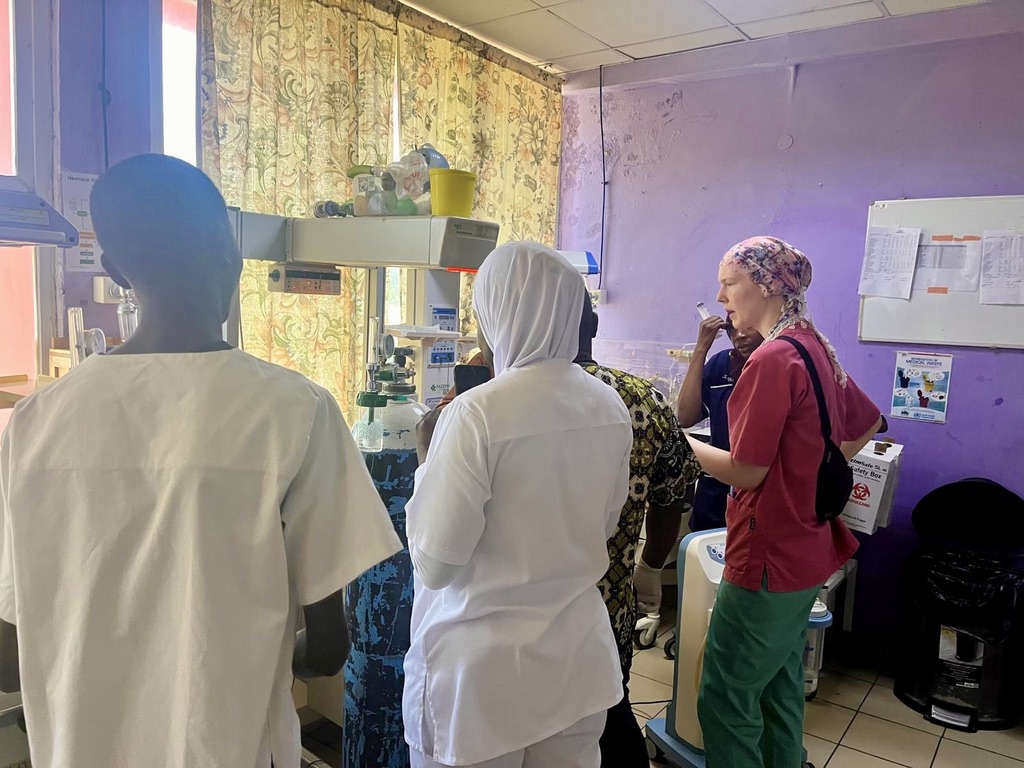
“The management and staff are open to both in-person and online training,” adds Dr. Szczuciński. “That creates a real opportunity for lasting change.”
How does one summarize such a difficult confrontation with a reality that is both devastating and full of hope for life-saving change? Tylkowska’s words capture it best:
“Working in conditions marked by shortages of equipment, specialists, and even basic medicines confronts you with the fragility of life in its purest form. This experience has motivated me to deepen my commitment to working in similar settings and to raise awareness about the unequal access to essential perinatal care.”
The long list of needs highlights the scale of the daily challenges the hospital is facing. At the same time, it reveals the enormous potential for meaningful impact – showing that even fundamental, targeted steps could bring transformative change.
Our work in Gambia is possible thanks to donations and 1.5%.