Bucha Again. After the Attacks, the City Urgently Needs Help
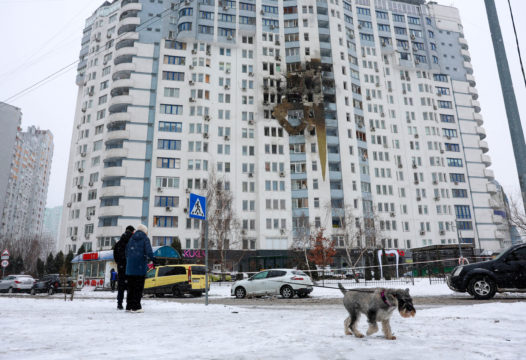
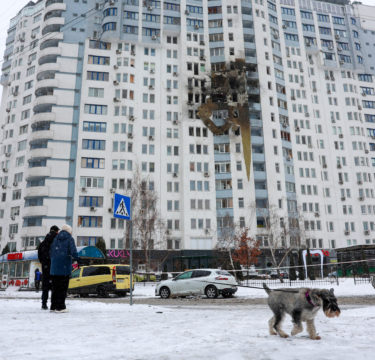
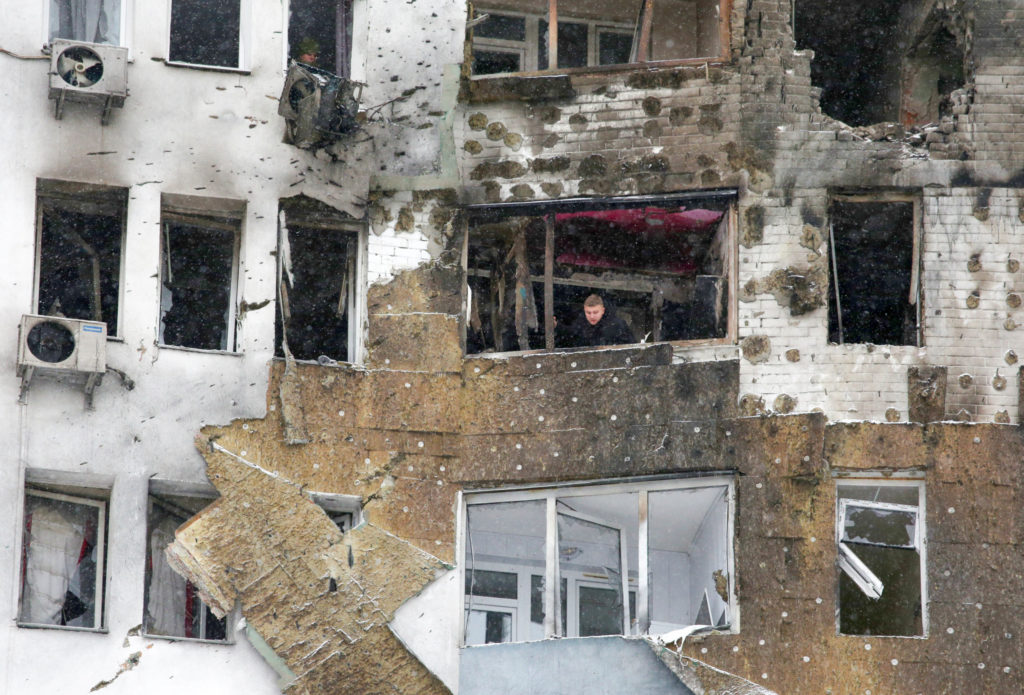
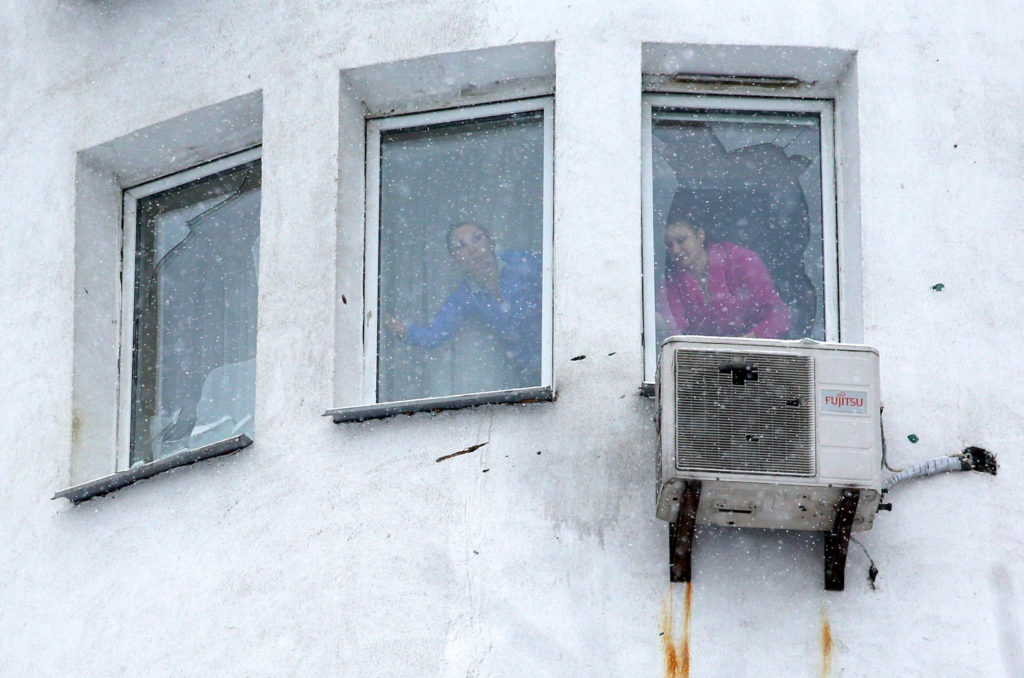
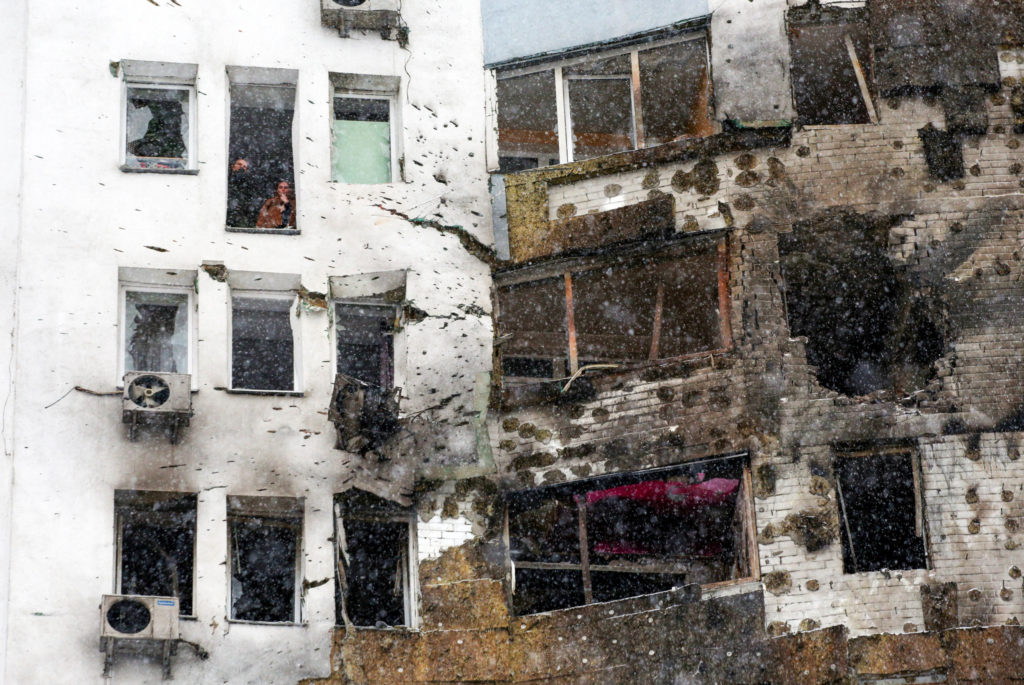
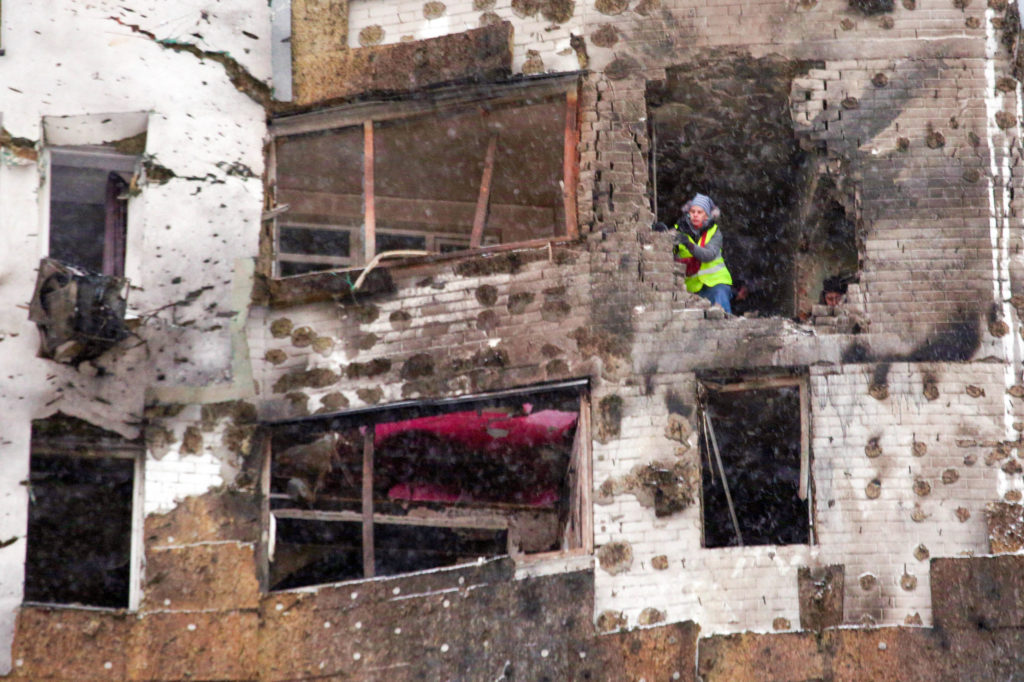
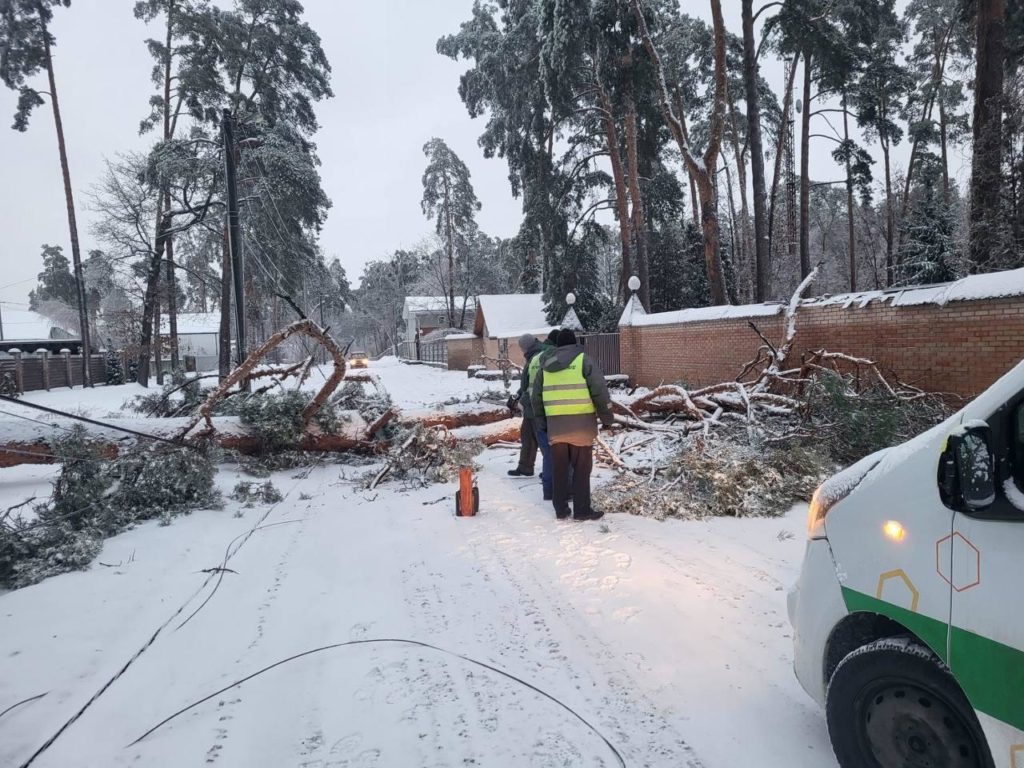
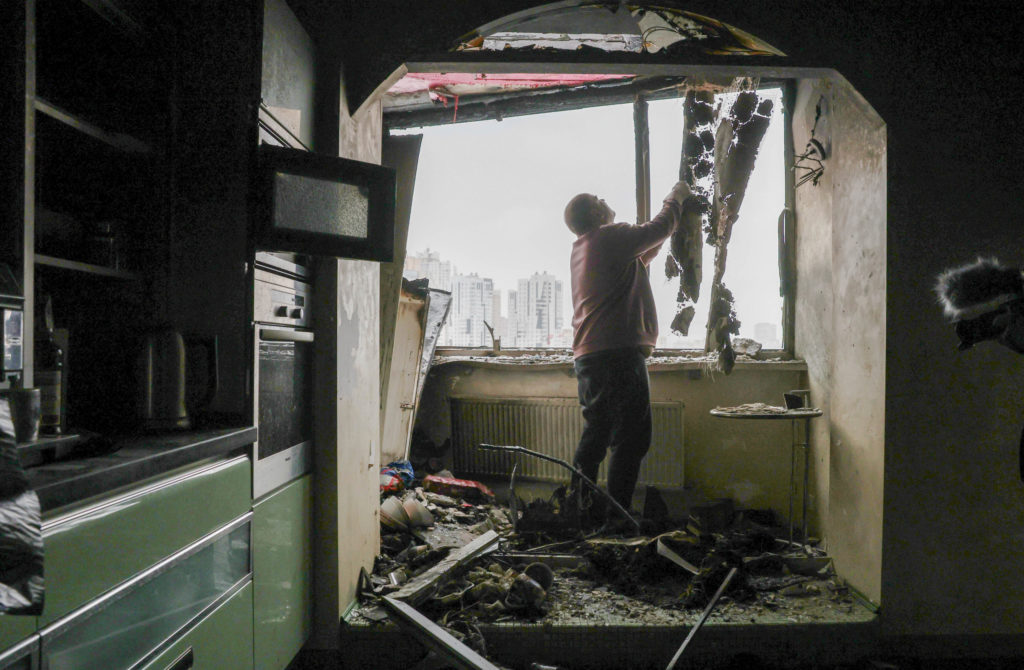
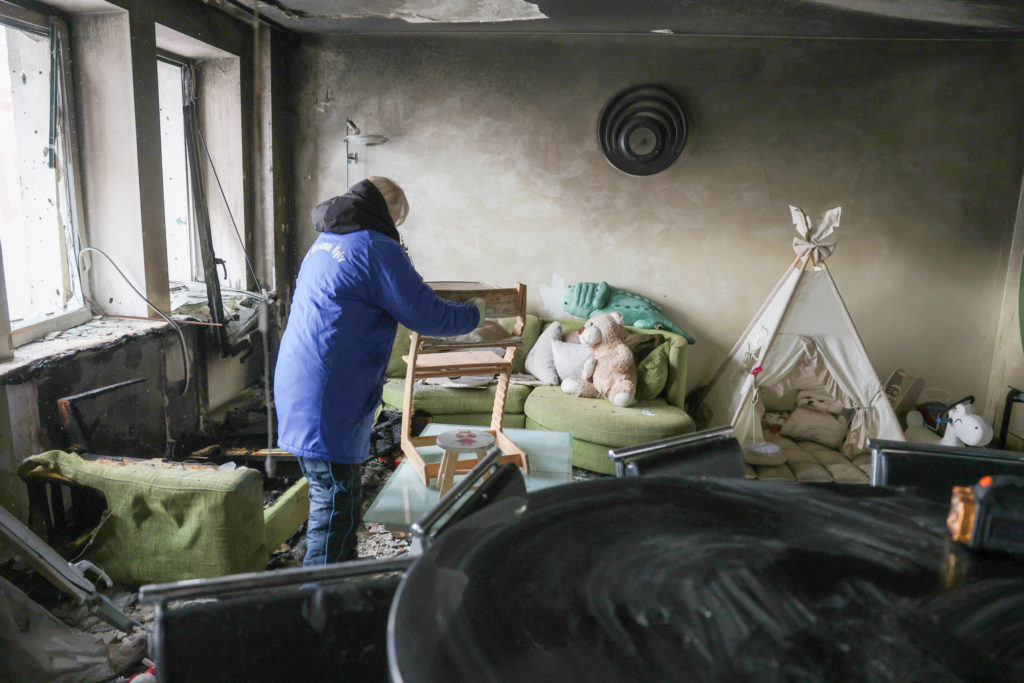
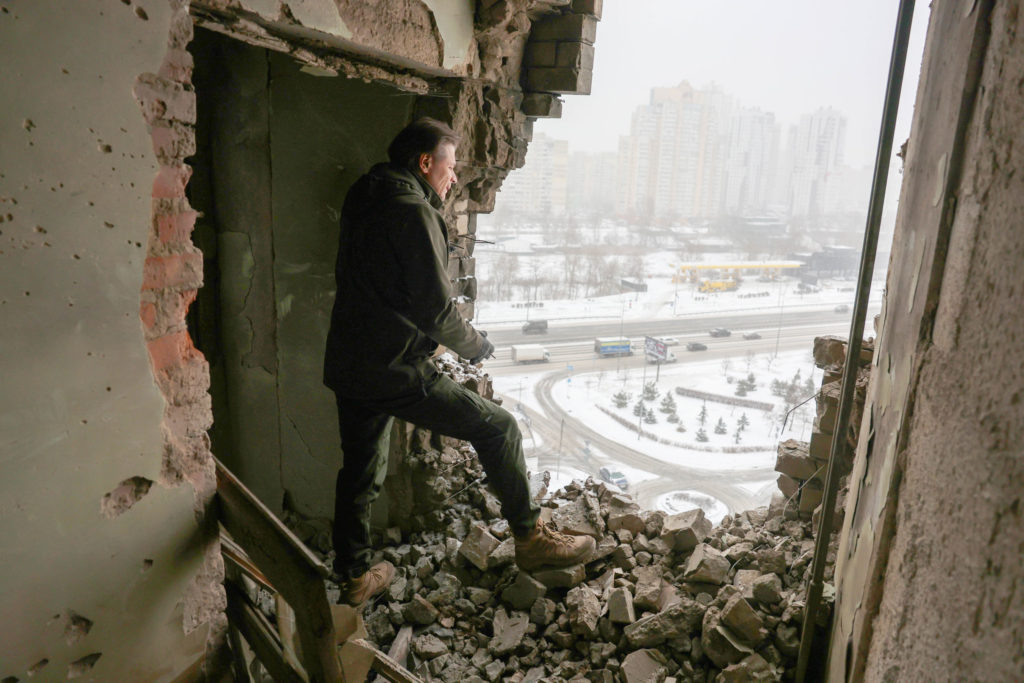
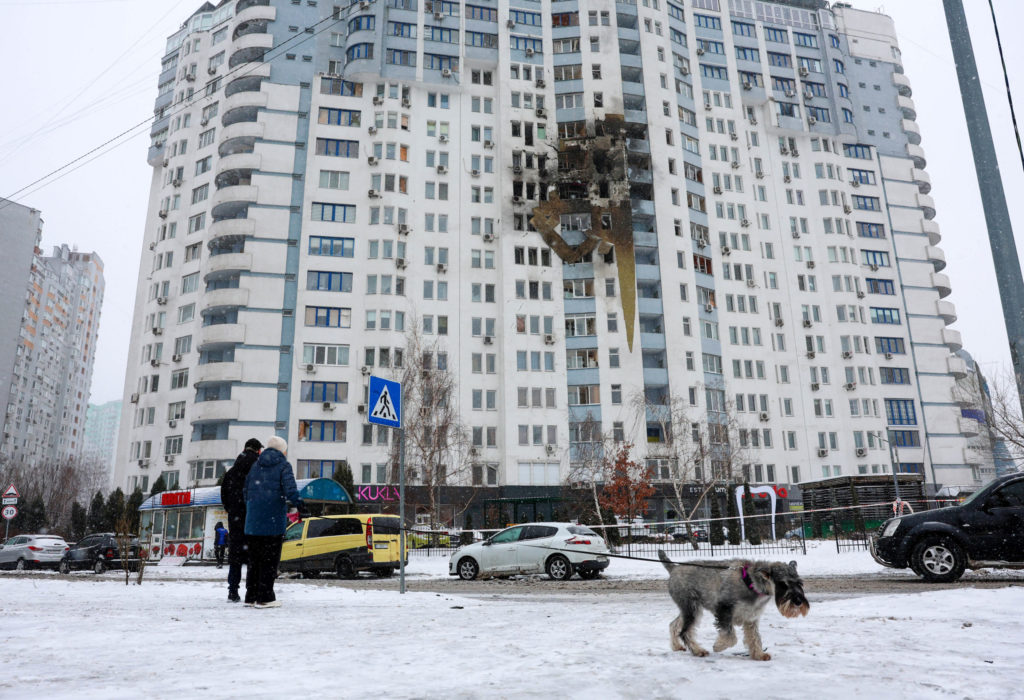
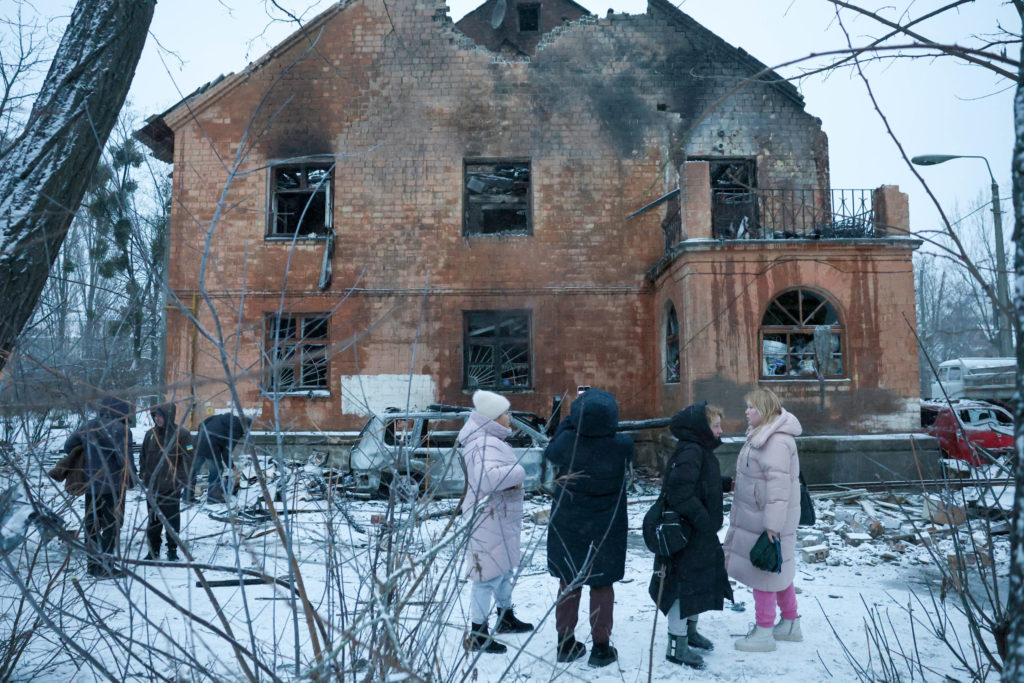
The Kyiv region, including Bucha, continues to be regularly shelled by Russian missiles and attacked by drones. Transmission stations have been damaged, and large parts of the city and surrounding municipalities have been almost completely cut off from electricity.
Although Bucha became a symbol of the tragedy at the beginning of the full-scale war and received significant humanitarian support, today—like many other cities—it is once again facing a critical situation. Residents are exhausted, infrastructure is overstretched, and power and heating outages have become part of everyday life.
“After the most recent attack, for the second day in a row not all facilities have had power restored. Electricity is cut off for as long as seven hours, switched on briefly, and then cut again. This affects the entire city,” says Kateryna (name known to the editors but withheld from public disclosure), a representative of the Bucha City Office.
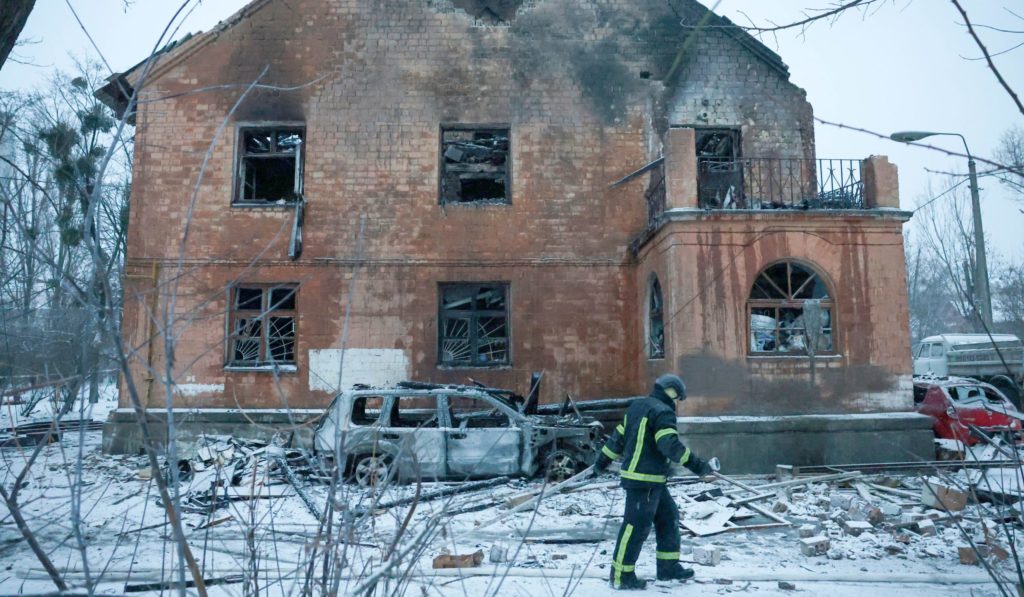
Today, many organizations are focusing their efforts on eastern and southern Ukraine. Meanwhile, the attacks continue and the needs remain enormous.
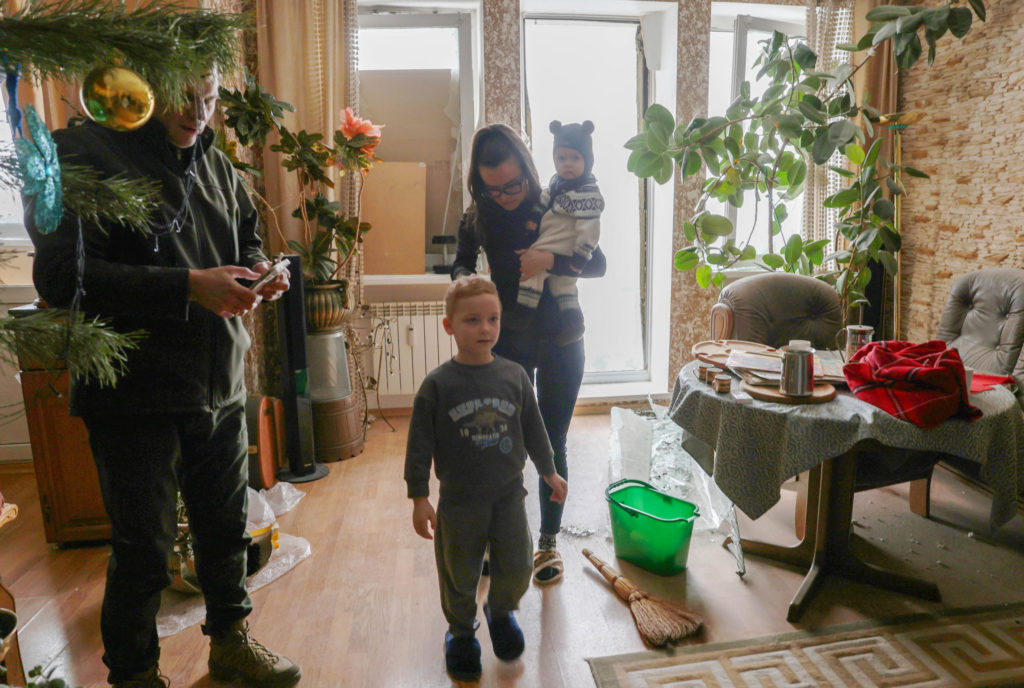
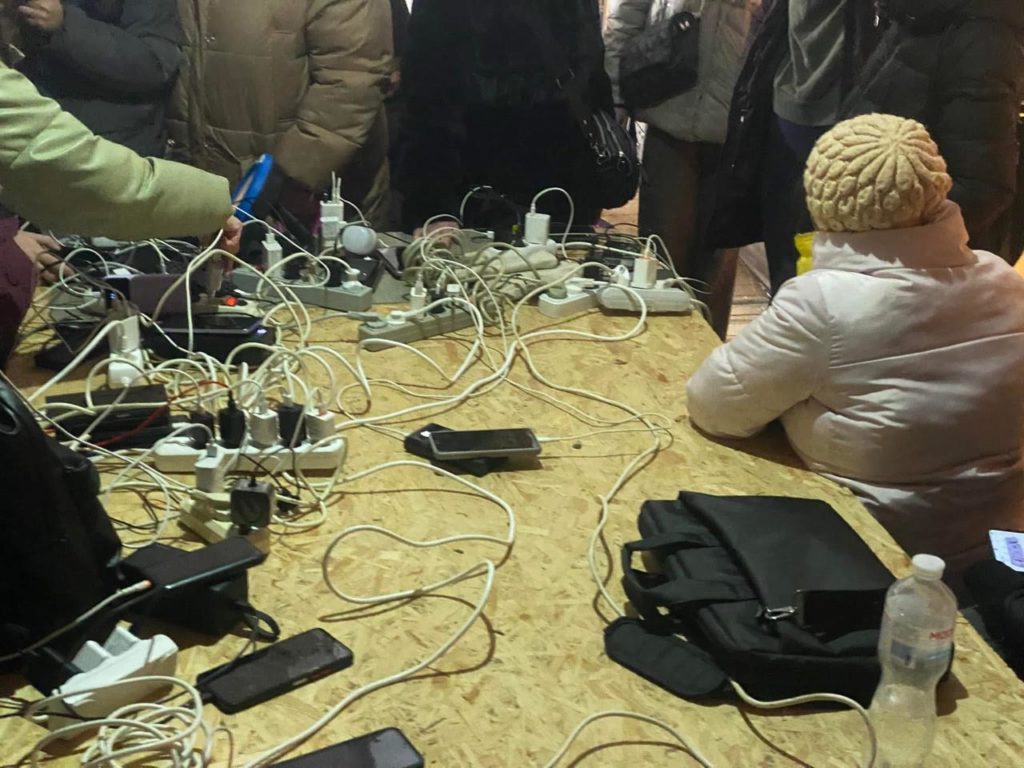
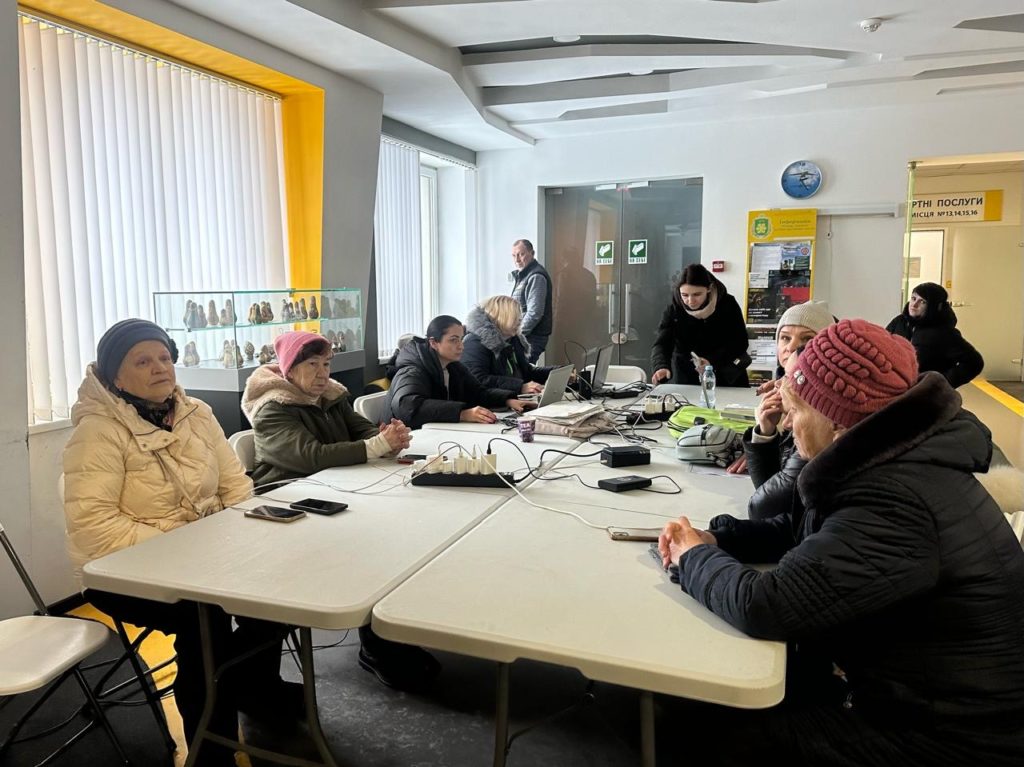
People live under constant stress, planning their days and nights around electricity outage schedules. Power comes back only briefly, often when people are at work or school, and disappears again after a few hours. Many residents are unable to charge their phones, contact loved ones, or even check basic information about the security situation.
Fatigue is growing. Although Bucha has partially rebuilt after the occupation, the war is still very present. Residents understand that humanitarian aid is now largely directed to eastern and southern Ukraine, but their needs have not disappeared. Under such conditions, even basic support—such as access to a generator—becomes something more than just technical assistance.
In response to this situation, the city authorities turned to the Polish Center for International Aid (PCPM), knowing that the organization has been supporting Ukraine for years. The decision to help was taken immediately.
The Polish Center for International Aid Foundation is appealing to Polish donors for continued financial support for assistance to Ukraine, which will make it possible to purchase generators and deliver rapid aid where it is most urgently needed. Donations can be made via pcpm.org.pl/ukraine.
What Kind of Help Does Bucha Need?
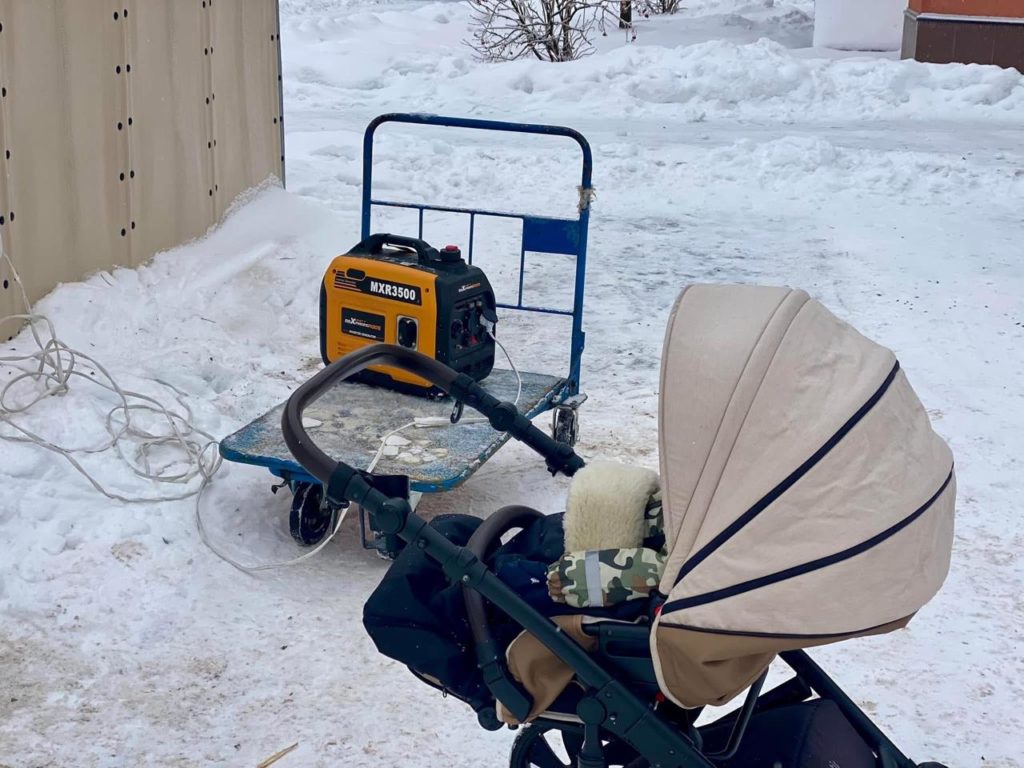
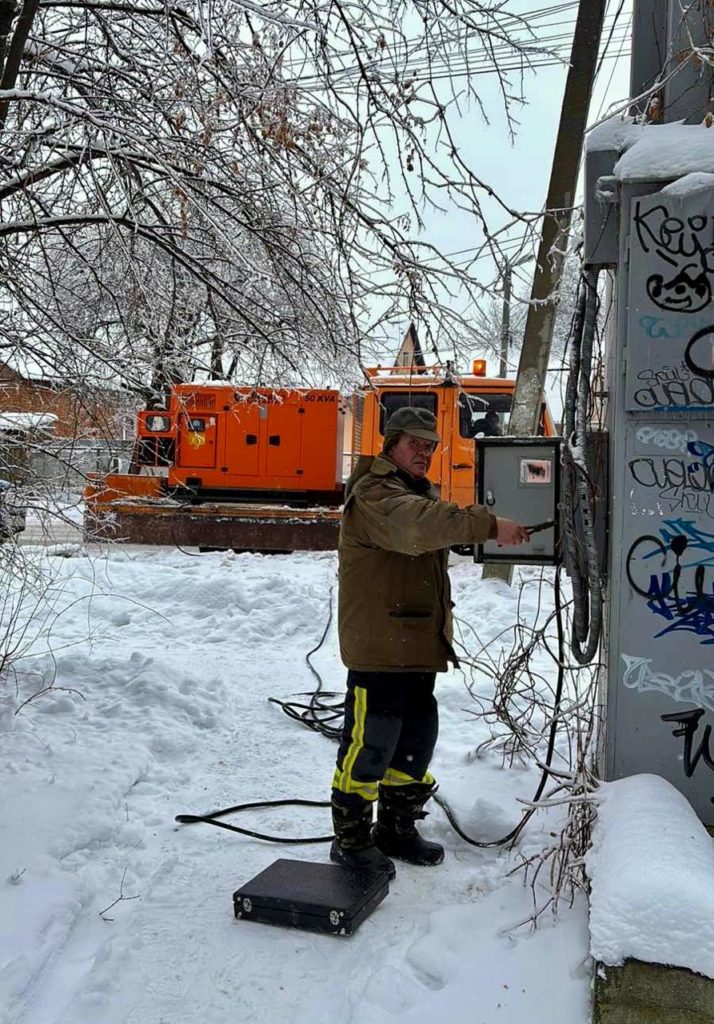
For another day, not all facilities have had power restored, and in many places the energy infrastructure has not yet been rebuilt. Under such conditions, it is extremely difficult to ensure not only electricity but also heating. The city is trying to connect generators to boiler houses, but during intense attacks the situation becomes exceptionally challenging. Currently, several areas still have no power, including parts of the right bank of Kyiv, and several municipalities in the Bucha district—including Bucha itself—have been without electricity for the second consecutive day. When there is no power anywhere, it is impossible to operate even heating points or so-called “resilience hubs.” Only generators capable of providing stable power can save the situation. Crucially, these need to be three-phase generators that allow for safe switching between energy sources. Unfortunately, such equipment is in short supply.
“We move the generators depending on needs. Today they may be at a school, tomorrow at a hospital. There is no situation in which a generator stays in just one place if it is not needed there at a given moment,” explains Kateryna.
City Office staff continuously monitor the situation, also because generators operate around the clock and, due to the heavy load, many of them break down frequently. Long queues are forming at repair services, both in Kyiv and in Bucha.
“I myself took my home inverter in for repair before New Year’s Eve and only got it back recently,” Kateryna adds.
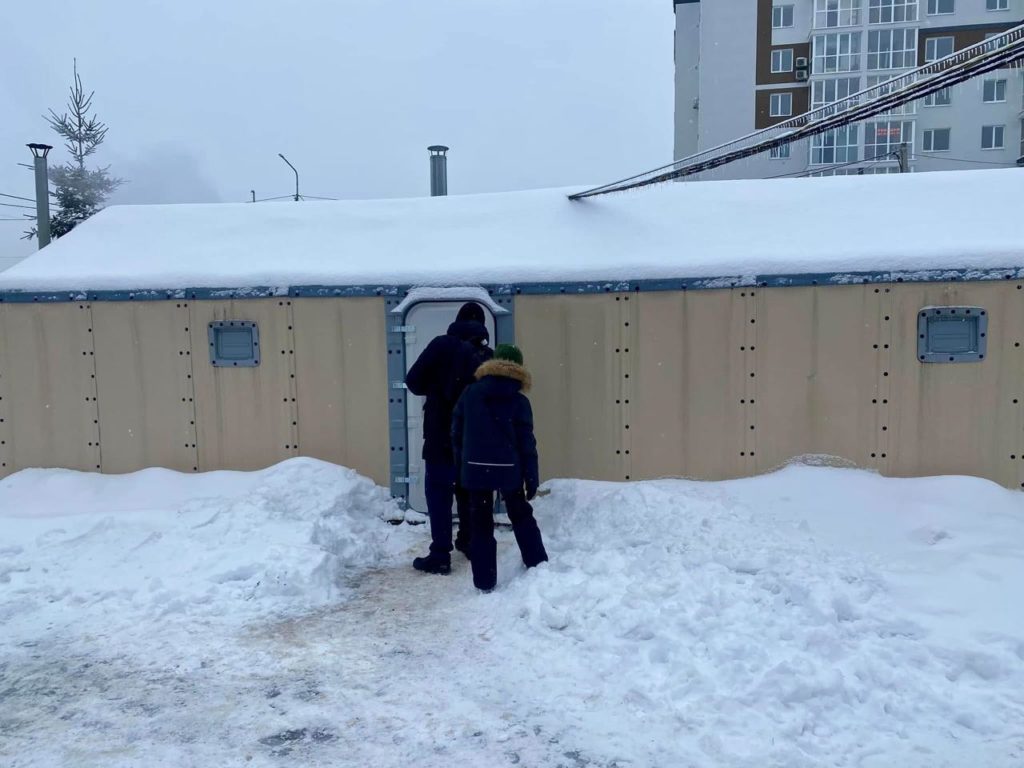
Additional generators would make it possible to provide electricity in places where it is most urgently needed. During the recent freezing days, these have primarily been heating points. When private homes and apartments are left without electricity and heating for extended periods, people can come to these locations to warm up, charge their phones, use Wi-Fi, contact loved ones to let them know they are safe, or simply have a cup of hot tea.
A three-phase generator with a capacity of around 5 kW costs in Ukraine approximately 47,000–48,000 hryvnias, which is about USD 1,250–1,300 (roughly USD 1,350).
“With earnings at the level of the national average—around 12,000–13,000 hryvnias per month, or roughly USD 315–340—this is an expense completely beyond the reach of most residents,” Kateryna emphasizes.
That is why Bucha needs help. The Polish Center for International Aid can deliver it thanks to the support of Polish donors via pcpm.org.pl/ukraine.