
'/%3E%3C/svg%3E)
As Winter Approaches, Lebanon’s displaced families face new challenges
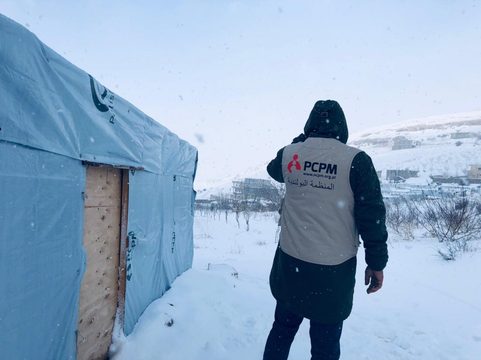
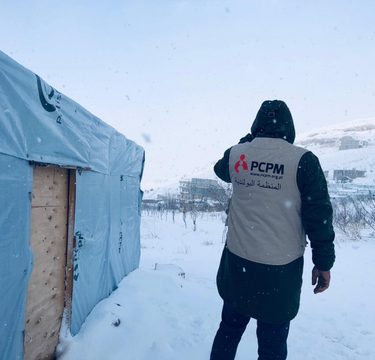
The approaching winter in Lebanon threatens to dramatically worsen the situation of hundreds of thousands of internally displaced people who are still unable to return to their homes in the south of the country. Against the backdrop of a fragile ceasefire with Israel, damaged infrastructure and record-high fuel prices, Lebanese families are being forced to choose between heating their homes and putting food on the table, while humanitarian organisations face the challenge of responding to new and growing needs.
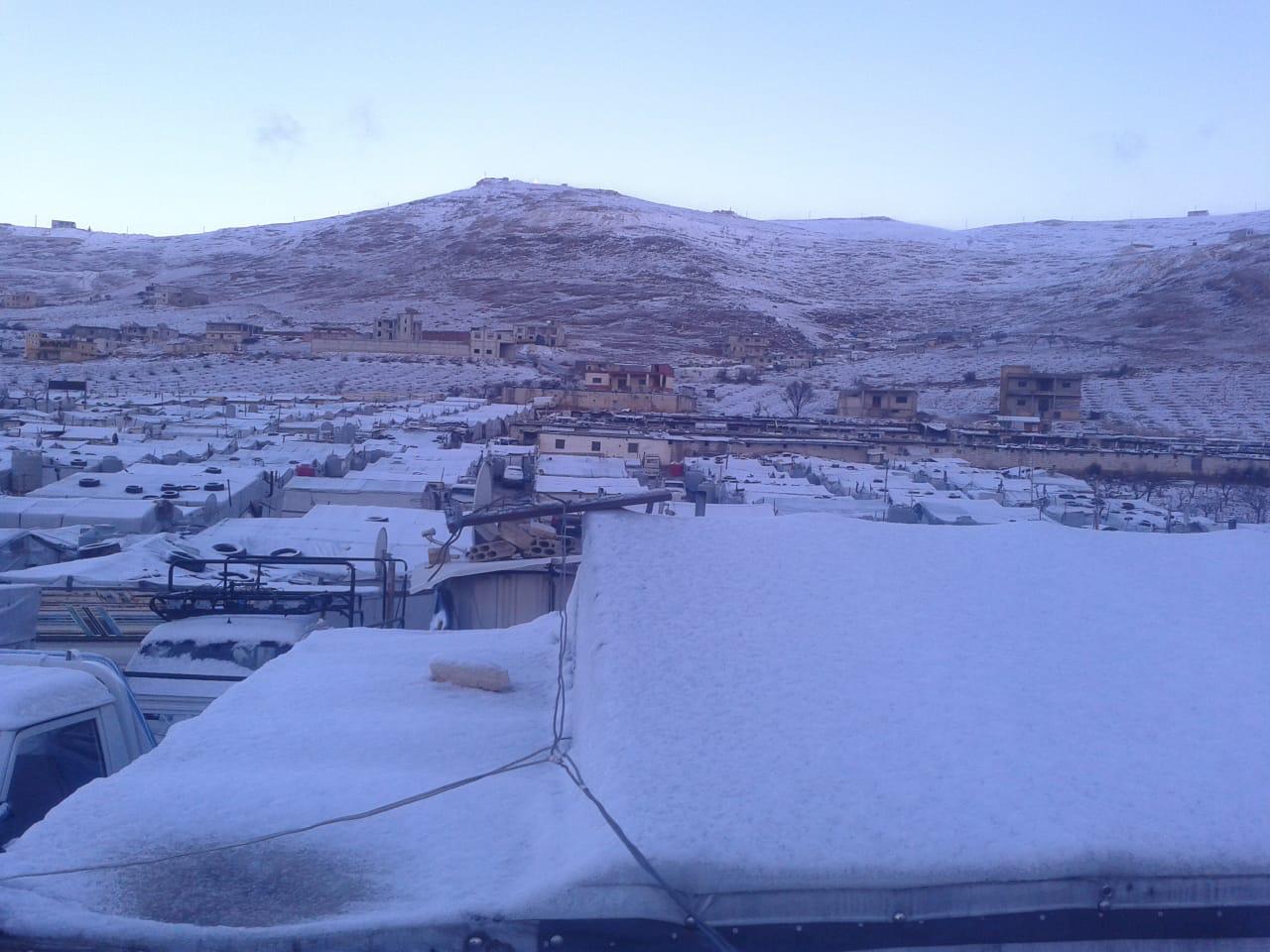
Returning home is still not possible
Despite the ceasefire between Lebanon and Israel agreed on 20 June, southern Lebanon remains an area of exceptionally high tension. Military activity, the ongoing risk of shelling, and widespread destruction of homes and roads mean that many residents cannot safely return to their villages. According to data from the United Nations Office for the Coordination of Humanitarian Affairs (OCHA), around 335,000 people are still displaced, while nearly 14,000 are living in collective shelters, mainly in schools. In many cases, “returning home” means only returning to their town or village, rather than to their own home. People are moving into temporary accommodation because their houses have been destroyed or are no longer habitable.
Winter is approaching – inadequate shelters, expensive fuel and limited electricity
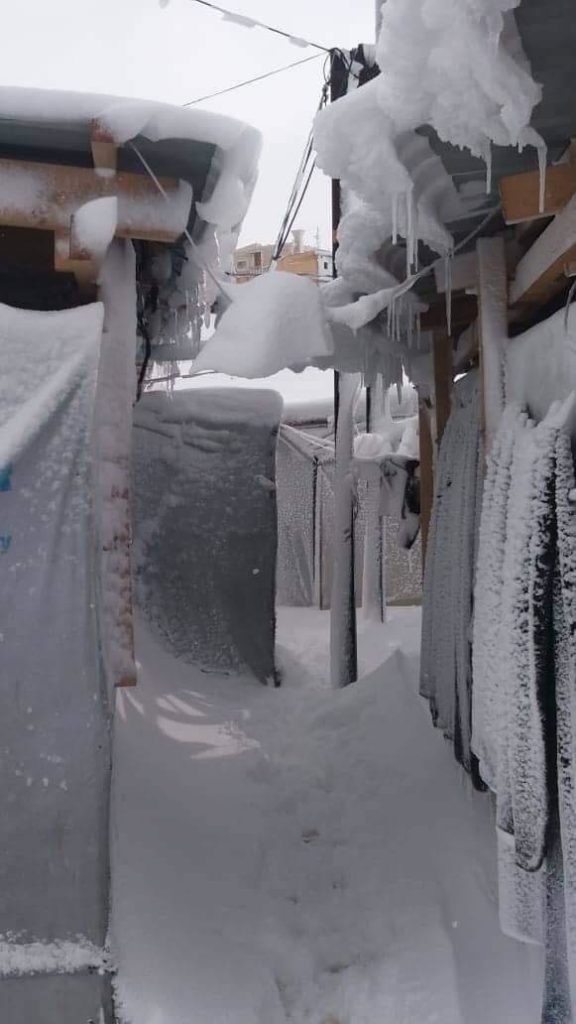
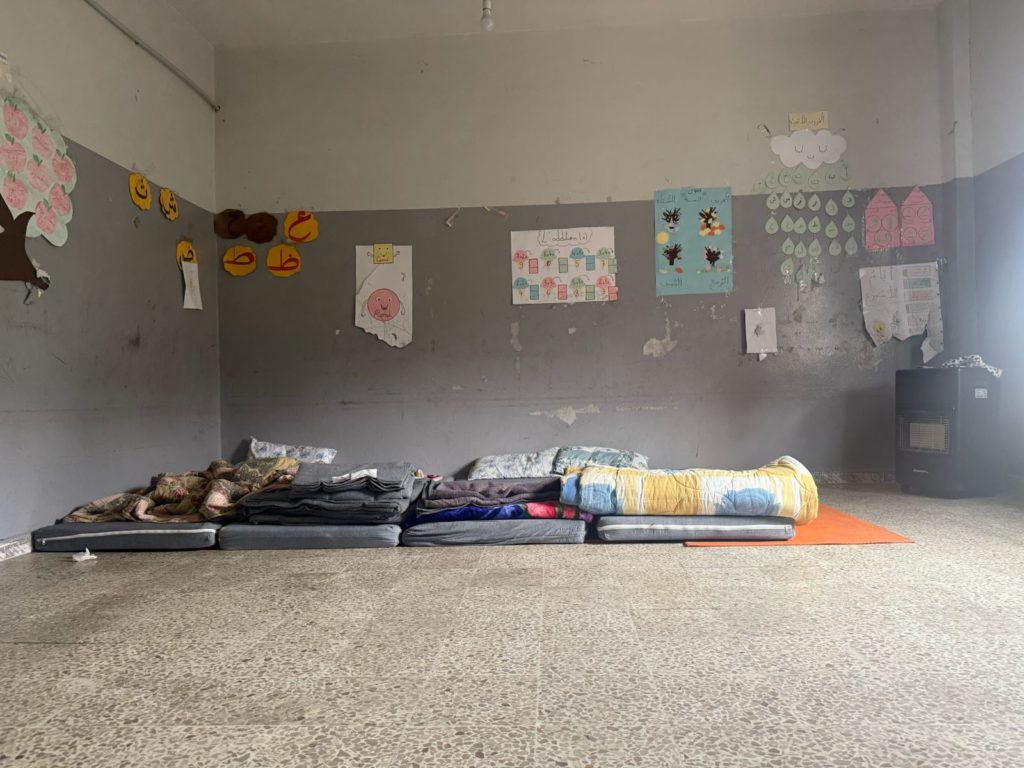
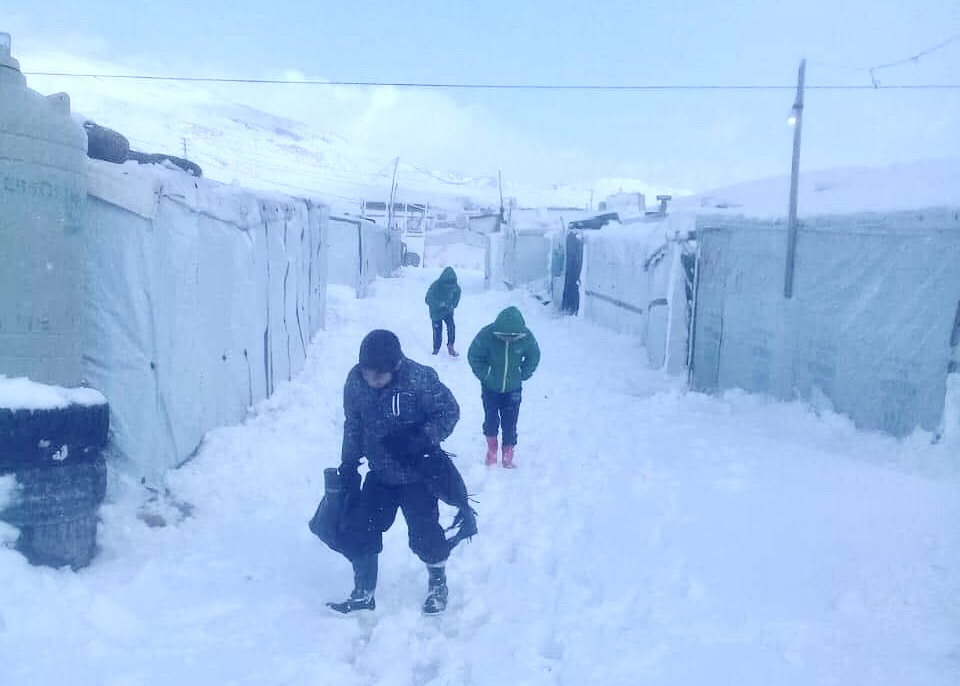
With winter approaching, the situation looks particularly difficult. Most temporary shelters are not equipped with adequate heating systems or sufficient insulation for the winter months. In the mountainous areas of the north, the Bekaa Valley and the south, where many economically vulnerable families are particularly exposed to harsh winter conditions, temperatures can fall below freezing.
Lebanon has been struggling with one of the world’s most severe economic crises since 2019, with inflation remaining at 15–17 per cent in 2026. Fuel prices have surged as a result of regional tensions and the US war with Iran. At times, diesel has cost more than USD 1.60 per litre, while a 20-litre canister of 95-octane petrol has cost the equivalent of around USD 30.
The state electricity provider, Électricité du Liban, supplies as little as three hours of electricity per day, while outages lasting up to 20 hours a day force households to rely on private generators. The sharp rise in diesel prices has translated into a dramatic increase in the cost of generator services, with some families now spending a significant share of their income on electricity alone.
The result is not only a growing risk of energy poverty, but also a real risk of increased social tensions. Trade unions warn that rising living costs could lead to new protests and road blockades reminiscent of those seen in autumn 2019.
The environment under pressure
High fuel prices also have an environmental impact. With affordable heating fuel out of reach, some people are forced to seek alternatives to electric heating – sometimes cutting down trees and forests to obtain firewood. Limited access to heating fuel means that some households are turning to wood from tree-cutting to heat their homes, placing additional pressure on the local environment.
The energy crisis is also affecting public services that depend on electricity. Water pumping stations and wastewater treatment plants operate irregularly or not at all, increasing the risk of water contamination and sanitation problems. Municipalities and local authorities are unable to cover the high fuel costs required to keep critical infrastructure running.
Why could this winter be a turning point?
The winter of 2026/2027 in Lebanon is not an ordinary heating season. The ceasefire does not mean a return to the safety or stability needed to begin reconstruction, while tensions and conflict-related risks continue to persist in southern Lebanon.
The economic crisis, high inflation, limited access to electricity, soaring fuel prices, dependence on private generators and rising living costs are all deepening the social hardship. In these circumstances, the arrival of winter and the accompanying drop in temperatures have a direct impact on the safety and health of many people.
That is why we cannot leave the people of Lebanon to face this crisis alone. The PCPM Foundation team works on the ground every day, providing assistance where it is needed most, from winter and food assistance to activities that strengthen the safety and resilience of local communities. Your donation enables us to act directly, close to the people we support, and respond to their most urgent needs.
Make a donation and help us provide essential assistance to the people of Lebanon.


