Newborn mortality in Gambia is ten times higher than in Poland – PCPM Medical Team provides support
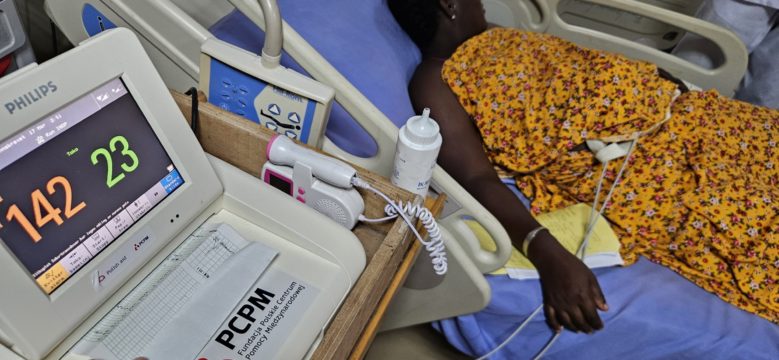
„At the same time, I had to deal with two postpartum hemorrhages” says Agata Tylkowska, a midwife with the Polish Centre for International Aid (PCPM). Although she had arrived in Gambia only a few days earlier, she was immediately confronted with several critical cases involving pregnant women. „The shortages of equipment are enormous – but what’s even worse is the lack of essential medicines” she adds.
Where life can be determined by place of birth
Gambia, a small West African country stretching along the river Gambia and almost entirely surrounded by Senegal, evokes an almost utopian image. Behind its scenic landscapes, however, lies a far more difficult reality. Neonatal mortality reaches approximately 25–30 deaths per 1,000 live births, and maternal mortality remains among the highest in the world. By comparison, in Poland around 2 newborns die per 1,000 live births, and between 2 and 4 mothers per 100,000 births.
Although an increasing number of deliveries now take place in healthcare facilities, the health system continues to struggle with shortages of staff, equipment, and supplies. Infections, prematurity, and birth-related complications remain the leading causes of newborn deaths. Climate is also a contributing factor – extreme heat increases the risk of dehydration, while the rainy season brings a surge in infectious diseases. In settings with limited access to clean water, cooling, and adequate medical care, these conditions raise the risk of complications, including preterm birth.
In Gambia, childbirth is not only a family milestone – it is often a moment when survival depends largely on where the child is born.
Straight to action
In this reality operates the Bundung Maternal and Child Health Hospital, one of the country’s key maternal and pediatric hospitals. It is also where PCPM has launched its project aimed at assessing the functioning of the maternity, neonatal, and pediatric wards, evaluating the hospital’s needs – including outpatient services, the emergency department, laboratory, and diagnostics – and providing direct professional support to local staff. The PCPM Emergency Medical Team in Gambia currently includes a midwife, a pediatrician, and a psychiatrist.
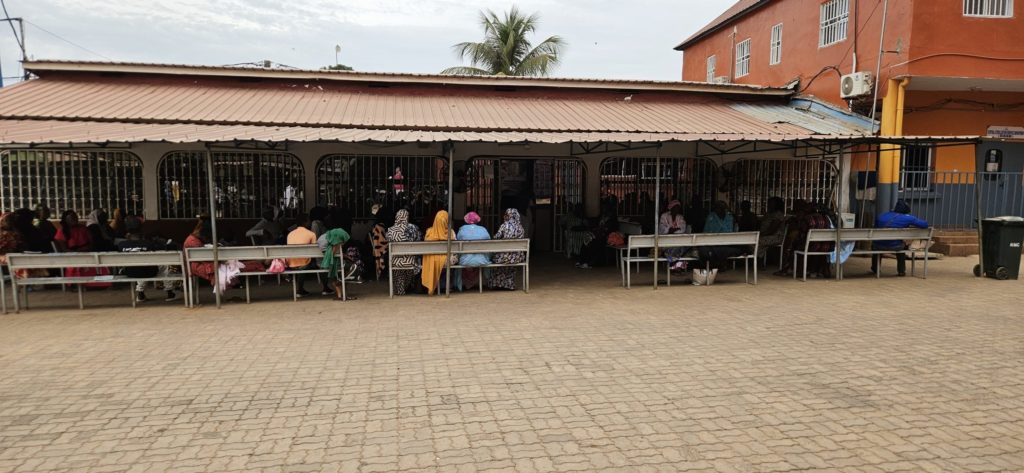
The team’s first days on site meant immediate immersion in the daily realities of a hospital working under constant pressure. From the very beginning, it was clear that this would not be a gradual adaptation, but rather a rapid response to urgent needs.
During my first hours there, the ward was under immense strain – Tylkowska recalls. There were many women in active labor, and even more patients in the early labor wards. Work was carried out in conditions of significant organizational chaos and intense time pressure. – recalls Agata Tylkowska.
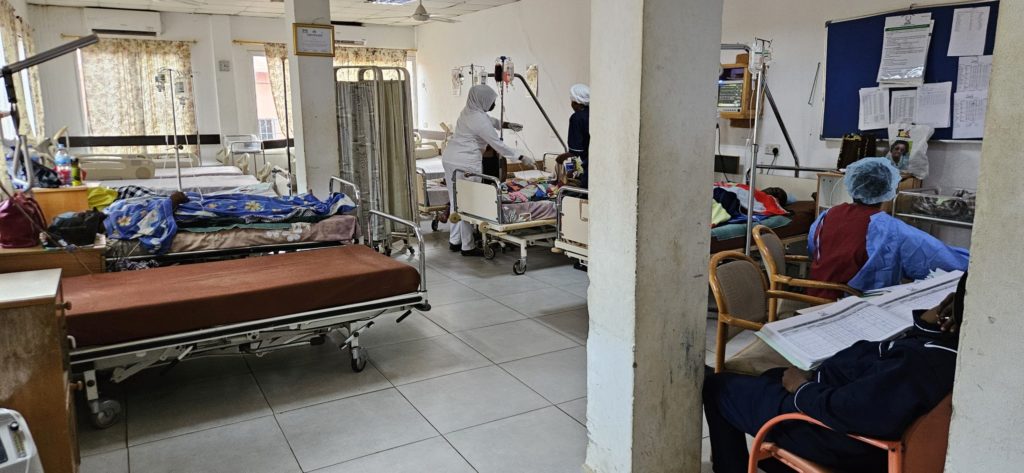
Shortages of equipment, staff overload, and challenging working conditions are the norm. In the outpatient clinic, the most commonly diagnosed conditions include respiratory infections, anemia, pneumonia, and skin diseases. Among adult patients, malaria and gastrointestinal illnesses are widespread. Care for the youngest patients plays a particularly important role. A high proportion of newborns are born with low birth weight, further highlighting the scale of the health challenges faced by the facility.
Lacking funds, equipment and staff
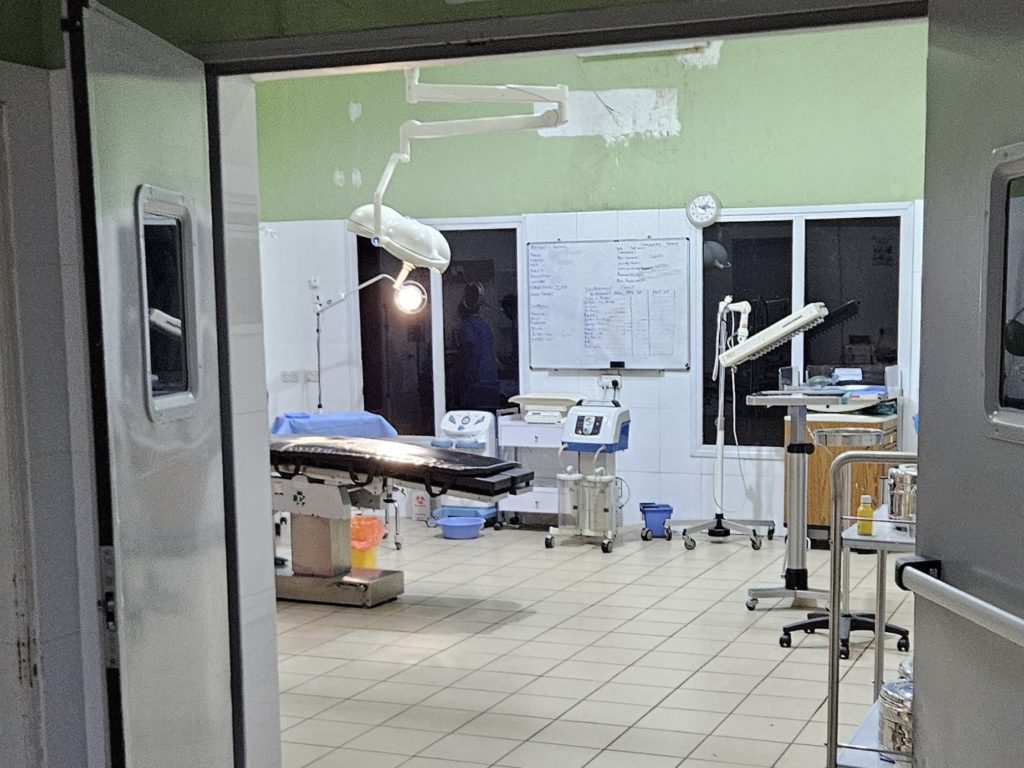
One of the team’s first actions was to deliver medical equipment, including specialized tools for prenatal monitoring. PCPM also supplied surgical instruments, disposable materials, and equipment necessary to provide immediate newborn care and perform resuscitation before cord clamping. The equipment was carefully reviewed with the head nurse and midwives on duty. The emotional reactions were very symbolic – gratitude, but mostly relief. The lack of basic diagnostic and delivery equipment poses a real threat to the safety of mothers and newborns.
One of the most demanding cases involved a woman in advanced pregnancy who, after a prolonged and difficult diagnostic process hindered by staff and equipment shortages, suffered an intrauterine fetal death due to complete placental abruption – Tylkowska explains.
The daily workload on the maternity ward reveals the immense burden placed on local staff. Midwives not only conduct deliveries and provide medical care, but also handle logistics, documentation, and even cleaning duties. Despite this, their commitment and determination are evident at every step. During shifts, the PCPM team participated in patient admissions, gynecological examinations, and newborn assessments. Dramatic and extreme cases are not the exception – they are part of everyday reality.
There were also emergency situations, such as managing two postpartum hemorrhages at the same time, treated with the best – but often the only – medicines available – she adds.
A first step toward safer childbirth
Working conditions further illustrate the scale of the challenges. The maternity ward is small, hot, and humid. Short, non-adjustable delivery beds prevent women from changing positions during labor. Basic hygiene supplies such as bedding, underpads, towels, and newborn clothing are often lacking.
These conditions do not ensure dignity during childbirth or adequate sanitary safety for mothers and newborns, and they significantly hinder the work of the maternity staff – says Tylkowska.
The first days of the mission were therefore both adaptive and intervention-focused. The PCPM medical team concentrated on rebuilding communication, supporting local staff, addressing the most urgent shortages, and laying the groundwork for further training and clinical work. This is only the beginning of PCPM’s activities in Bundung – assistance delivered in difficult and dynamic conditions, but carried out in close cooperation with the local medical team.