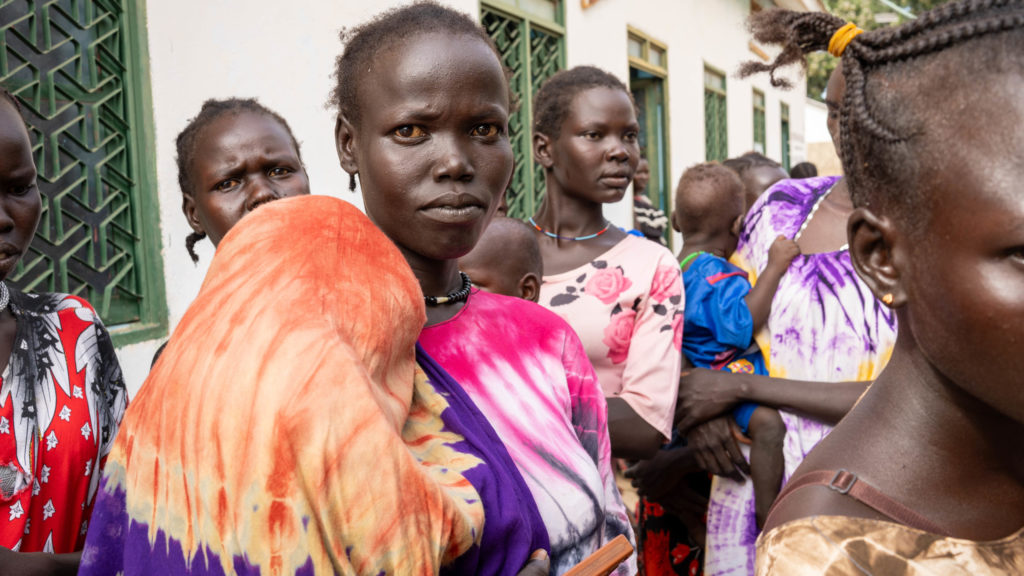
World Refugee Day. Behind every number is a person
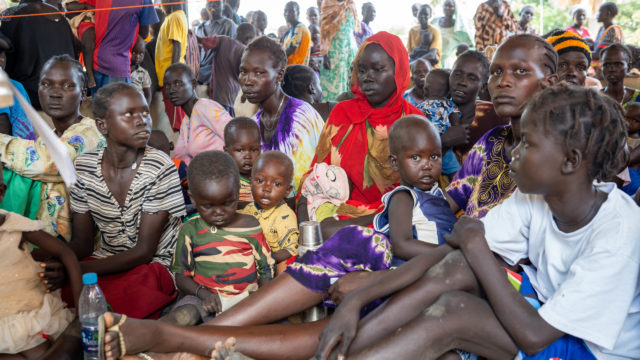
June 20 is no ordinary date. Today marks the 75th anniversary of the adoption of the document widely regarded as the most important international instrument governing the rights and protection of refugees — the 1951 Convention Relating to the Status of Refugees. Before becoming a global observance, the day was known as African Refugee Day, established by the Organization of African Unity. It was primarily dedicated to people forced to flee their homes across the African continent. Today, it serves as a reminder of the plight of refugees worldwide.
But what does this day mean in Poland? Who are the refugees living in our country? Where do they come from, and how are they perceived by Polish society?
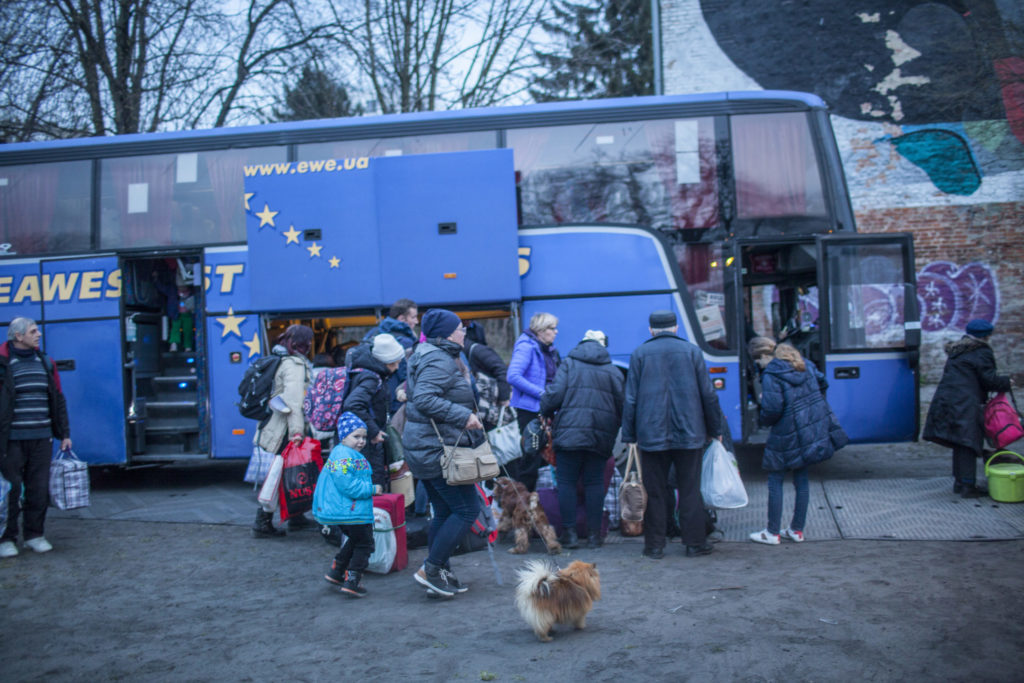
Poland receives people fleeing not only from neighboring countries but also from nations affected by conflicts and humanitarian crises on other continents. Although their numbers are much smaller than those arriving from Ukraine or Belarus, their stories share a common denominator: the forced flight from war, persecution, violence, or direct threats to life.
The scale of displacement continues to grow. According to the latest UNHCR Global Trends report, by the end of April 2025 the number of people forcibly displaced worldwide had reached 117.8 million, including 41.6 million refugees. The main drivers of forced migration today include armed conflicts in Sudan, Myanmar, and Ukraine, as well as the ongoing lack of lasting peace solutions in many regions.
It is worth remembering that most forcibly displaced people do not cross international borders. Approximately six out of ten people forced to flee remain within their own countries, seeking safety in other regions. This is particularly evident in the ongoing conflict in Lebanon, where more than one million people have become internally displaced after fleeing attacks and fighting in the south of the country, extending as far as Beirut. Most of them are currently sheltering in collective accommodation centers across the country and in the northern Akkar region.
How do Poles perceive refugees?
An Ipsos survey conducted in June 2025 shows that Poland is now among the countries with relatively low levels of support for accepting refugees. Nearly half of respondents favor completely closing the borders to people seeking protection, and many believe that some individuals claiming refugee status are motivated primarily by economic reasons rather than genuine danger.
Skepticism is also evident in attitudes toward integration. Only about one-third of respondents believe that refugees can successfully integrate into Polish society, while the majority express doubts on this issue.
These findings demonstrate a clear shift in public sentiment compared with the period immediately following Russia’s full-scale invasion of Ukraine, when willingness to help people fleeing war was significantly higher.
The picture, however, is more complex. Despite growing concerns about migration, security, and economic conditions, many people still express a commitment to openness and diversity. More than half of Poles view the country’s multicultural history as a source of pride, and nearly half would like to live in a country where people of different cultures and religions can coexist.
Between fear and solidarity
When it comes to attitudes toward refugees, Poland appears to be a country of striking contrasts and diverse viewpoints. On the one hand, public debate, social media, and politics increasingly feature narratives that are hostile toward migrants and refugees. On the other hand, recent years have demonstrated a tremendous capacity for solidarity. Following the outbreak of war in Ukraine, millions of people became involved in supporting those fleeing bombardment and violence. Many families opened their homes, while civil society organizations and volunteers built support networks on an unprecedented scale.
World Refugee Day reminds us that behind the statistics are real people. Forced migration has no single nationality, religion, language, or skin color. Every story is different, yet all are united by the loss of safety and the need to find a place where life can begin again.
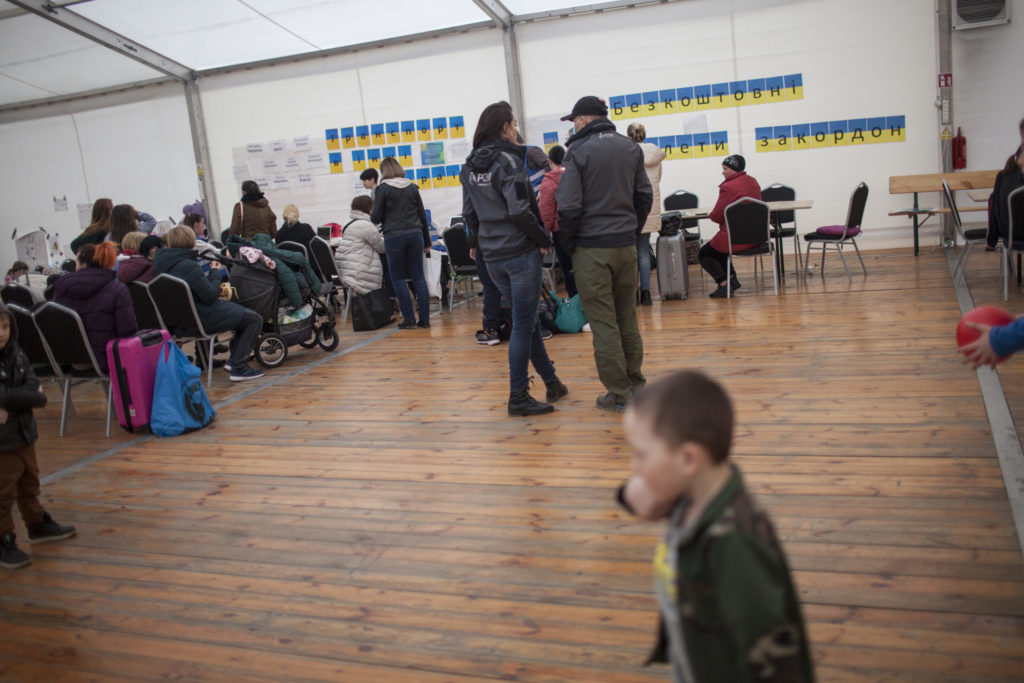
As the number of humanitarian crises continues to grow, countries face the challenge of developing solutions that address both the needs of those seeking refuge and the concerns of host communities. Reliable information, responsible public debate, and effective integration programs can help build mutual understanding and reduce social tensions.
The standard approach to responding to refugee crises should be grounded in universal humanitarian values — regardless of a person’s origin, skin color, religion, or gender. After all, the need for safety is shared by all human beings.
Migrant or refugee?
Several terms are commonly used to describe people who migrate or are forced to move. These terms differ in meaning and legal status.
The 1951 Convention Relating to the Status of Refugees and its 1967 Protocol are the most important legal instruments protecting refugees. They contain the universally accepted definition of a refugee and establish minimum standards for the treatment of people entitled to this protection. Poland acceded to both instruments in 1991, making their provisions legally binding within the Polish legal system.
One of the Convention’s fundamental principles is non-refoulement, enshrined in Article 33, which prohibits returning refugees to a country where their life or freedom would be threatened.
States that have signed the Convention are obliged to treat refugees in accordance with these standards.
In practice, the principle is simple: a refugee is a migrant, but unlike people who migrate by choice, a refugee leaves their country or place of residence out of necessity — in search of safety and protection. It is important to remember, however, that displacement is not a uniform phenomenon and encompasses various categories and situations in which people are forced to move.
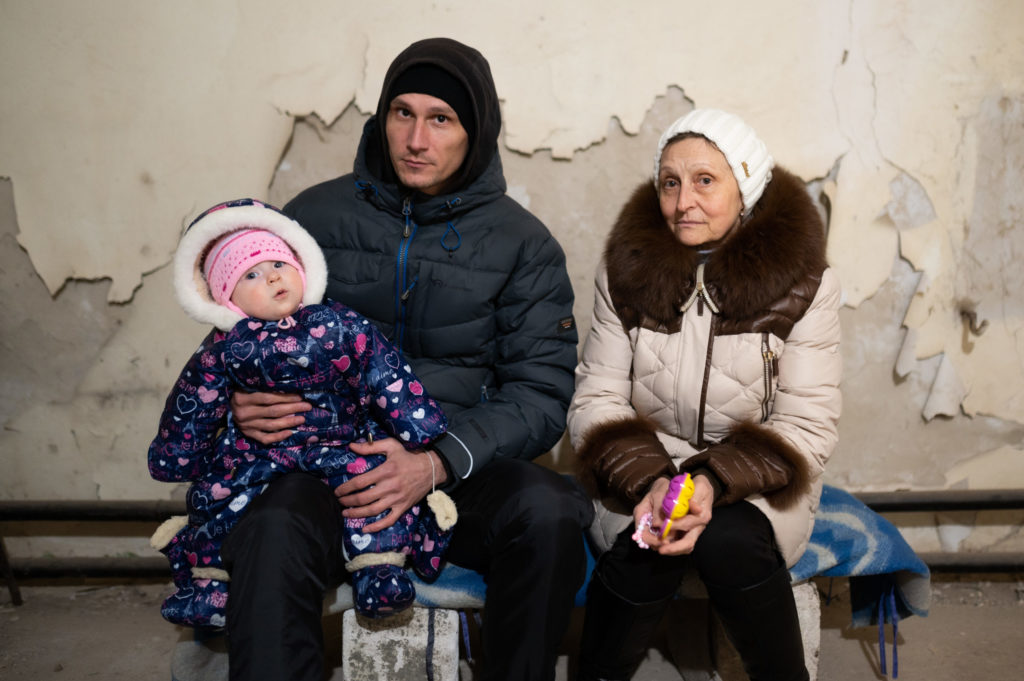
An internally displaced person (IDP) is someone who has been forced to flee but remains within the borders of their own country. A climate refugee is an informal term referring to people compelled to leave their homes due to the effects of the climate crisis, such as droughts or floods. Newcomers is an umbrella term that may include refugees, immigrants, and asylum seekers, though it does not refer to a formal legal status. Returnees are individuals who, after having obtained refugee status and lived abroad, return to their country of origin, often because conditions have stabilized, but who may once again be forced to flee if the situation deteriorates. Transit migrants, meanwhile, are migrants staying in a transit country that is not their final destination but rather a stop on their journey to other countries, such as Germany or the Scandinavian states; examples include people moving through the Polish-Belarusian border region.
People first
PCPM’s motto is: “People First.” It reflects the belief that every person deserves assistance, respect, and dignified treatment — regardless of where they come from or why they were forced to leave their home.
Thanks to the support of donors, PCPM assists people affected by humanitarian crises around the world. Contributions help fund mobile medical clinics reaching communities cut off from healthcare in the West Bank, provide therapeutic food to malnourished children in South Sudan, and support internally displaced people and families living in collective accommodation centers in Lebanon.
Regardless of where a humanitarian crisis occurs, behind every emergency stands a human being who needs support to regain a sense of security and the opportunity to rebuild their future.