

Ukraine’s Daily Struggles Continue Amid the War
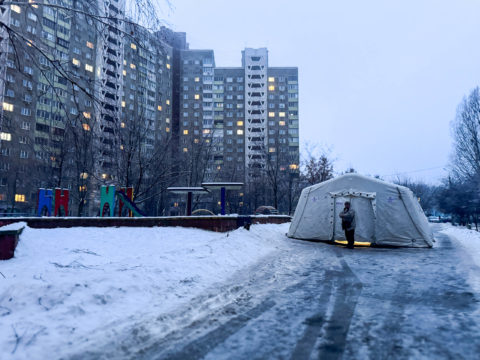
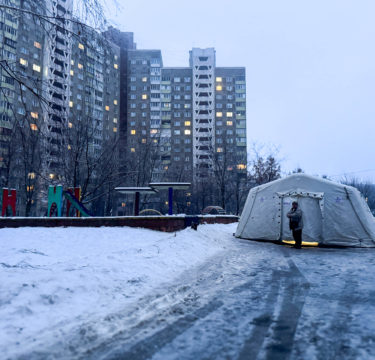
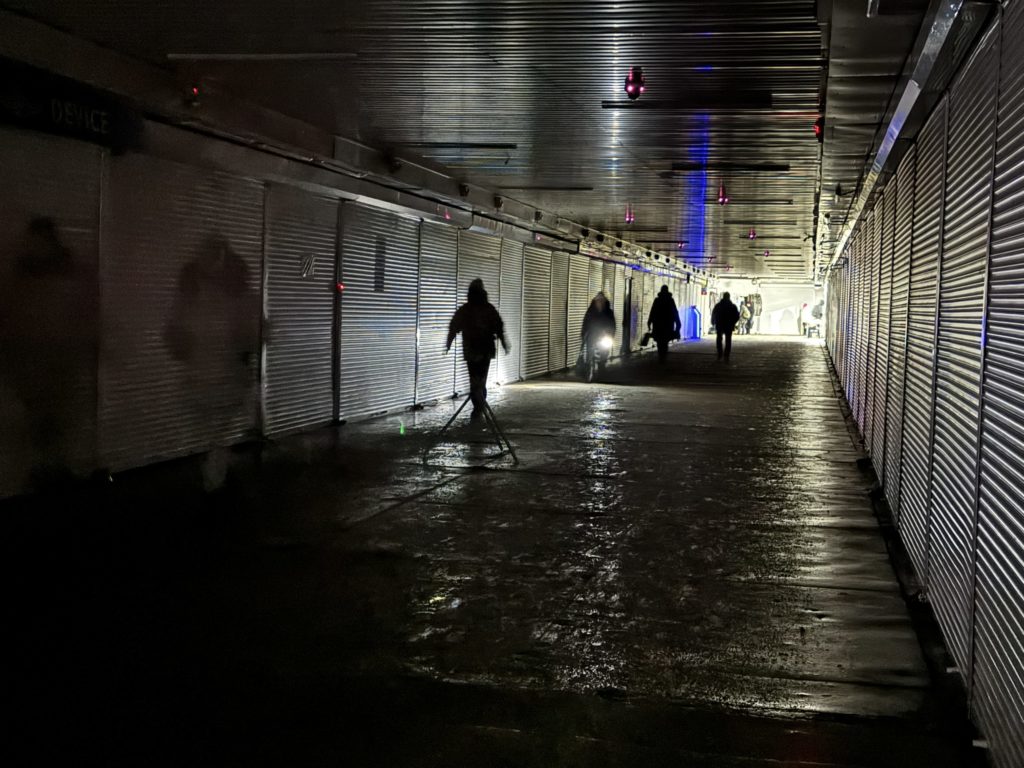
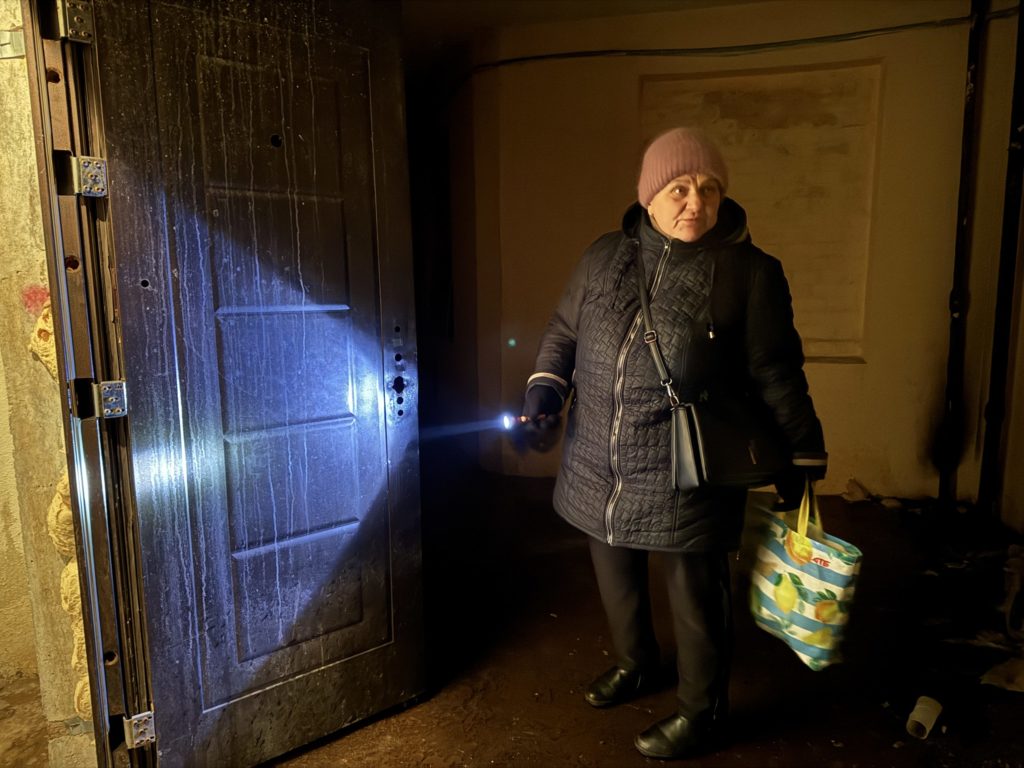
Power shortages continue to affect millions of people, and winter once again has been weaponized against Ukrainians. Russian attacks on power plants and critical infrastructure have forced the country’s energy system to operate in emergency mode, with widespread energy outages. In the capital alone, around 900 residential buildings still remain without central heating.
The Capital Still in Limbo
“Kyiv continues to struggle with shortages of electricity, heating, drinking water, and hot water,” reported Tomasz Grzyb, Head of the Ukrainian Mission of the Polish Center for International Aid (PCPM), in an interview with TVN24.
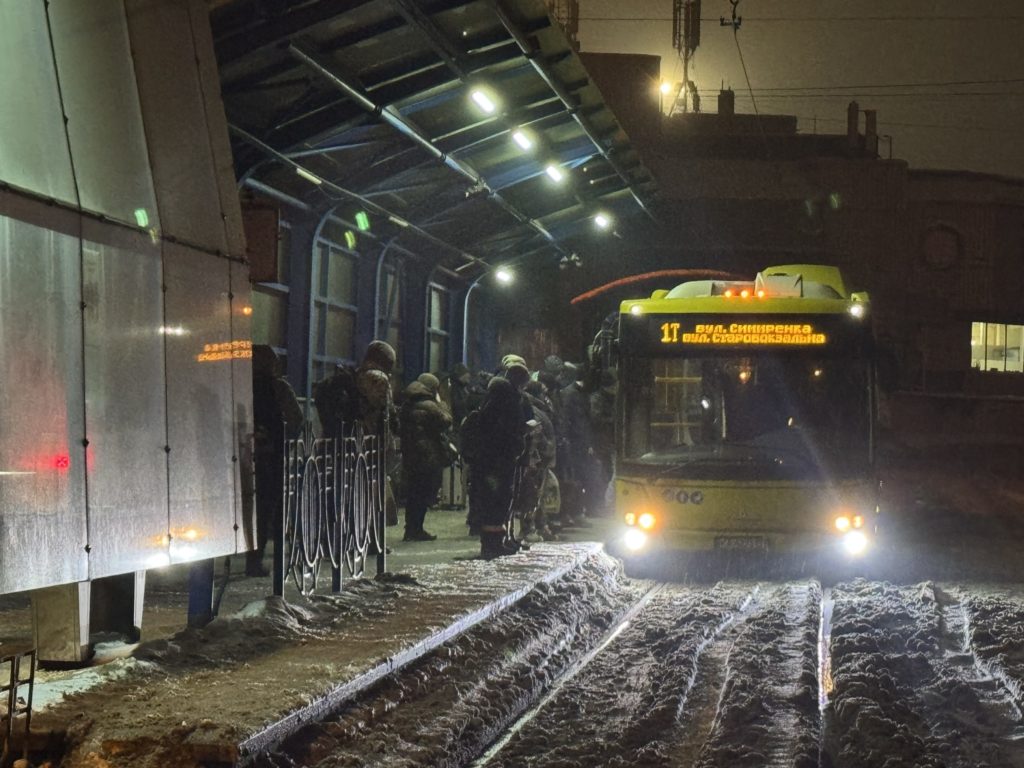
The districts most severely affected by the crisis have yet to return to normal functioning, and problems with public transportation further complicate residents’ daily lives.
“The trolleybus and tram networks are not operating, and replacement transport is unable to cope with the enormous number of passengers,” he adds.
Since the beginning of January, Kyiv’s energy network has repeatedly been the target of attacks, and the safety of residents remains uncertain. The approaching cold wave, with forecasts dropping as low as –20°C, is raising serious concerns.
“With the return of severe cold, there is a real fear that Russia will once again strike critical infrastructure – not only in Kyiv, but also in other major cities,” says Grzyb.
The Crisis Extends Beyond the Capital
The difficult situation is not limited to Kyiv. In Bucha, near the capital, power and heating outages are a daily reality. Generators delivered by PCPM provide electricity where it is essential for maintaining basic living conditions and daily functioning. Although more generators are already on the way, demand remains enormous – over one million households across Ukraine are still without electricity.
Every donation made to the Ukraine relief fundraiser at pcpm.org.pl/ukraine is not only a gesture of solidarity and support, but above all real help that translates into the provision of equipment essential for survival. PCPM has also delivered UPS power supplies, which allow computers to continue operating for a short time during sudden power outages.
Points of Resilience
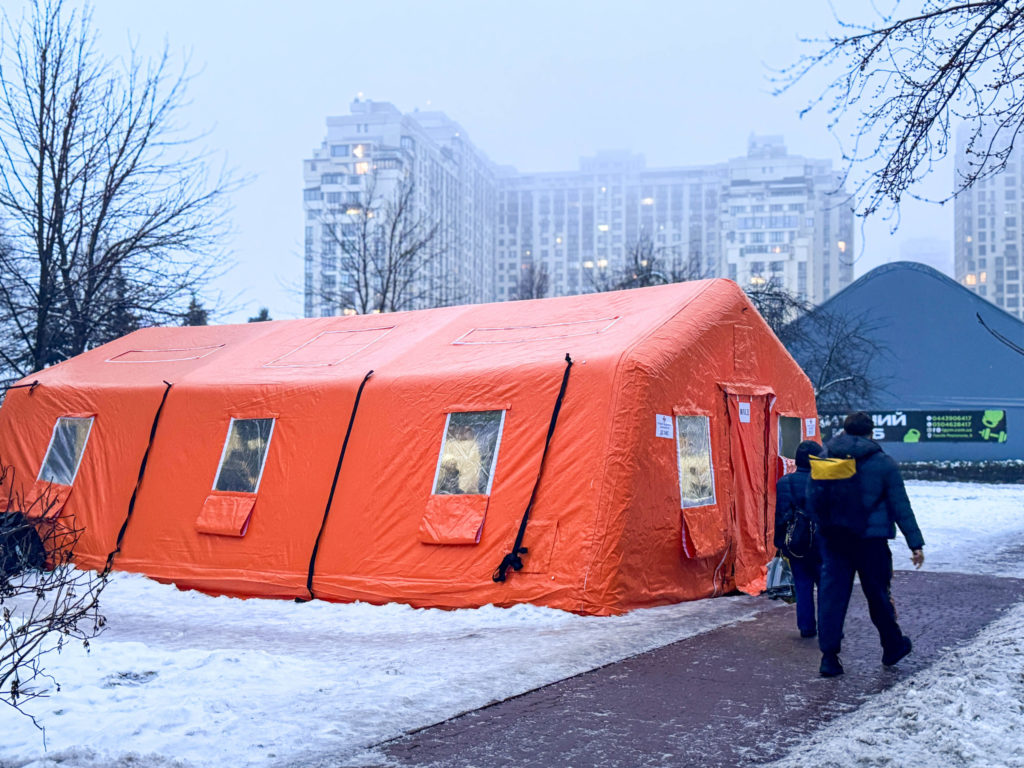
A key role in responding to the energy crisis is played by hundreds of municipal aid centers known in Ukraine as “points of resilience.” These are heated tents powered by generators, which in crisis conditions become safe havens – offering hot tea, water, first-aid supplies, and above all – warmth.
Ensuring their continuous operation requires uninterrupted fuel supplies for generators and the delivery of new units. However, it is important to note that points of resilience are not available everywhere. While they respond to the energy crisis locally, electricity shortages affect not only the Kyiv region but also many other areas dependent on energy infrastructure attacked beyond its borders.
Hospitals Without Power
The lack of electricity is not just a matter of comfort – such as being unable to charge a phone or take a hot shower. In many places, it poses a direct threat to health and life.
“Even if a hospital has a large generator, without central heating it cannot warm operating rooms or hospital wards,” explains Tomasz Grzyb.
As a result, patients in facilities with damaged heating systems simply freeze.
“For patients in serious health conditions, maintaining the proper room temperature is crucial. Hypothermia increases the risk of complications, worsens the patient’s overall condition, and can directly threaten life. The conditions for performing surgical procedures also depend strictly on stable temperatures – without them, safe treatment and medical work become extremely difficult,” emphasizes Dr. Piotr Grabski, a physician from PCPM’s Emergency Medical Team.
Zaporizhzhia: Aid Close to the Front Line
PCPM also provides assistance in the Zaporizhzhia region – one of the most difficult areas to access in Ukraine. The organization regularly delivers humanitarian aid there, including specialized equipment for firefighters, hygiene supplies, food for civilians, and animal feed, which is also in critically short supply.
In recent days, rescuers have handed over fire hoses, protective clothing, helmets, gloves, boots, balaclavas, angle flashlights, and personal protective equipment to firefighters in Zaporizhzhia. This gear enables rescuers to operate under shelling, fires, and amid destroyed infrastructure.
Since the beginning of the full-scale invasion, the Polish Center for International Aid has consistently reached hard-to-access towns and villages in the Zaporizhzhia region -sometimes located just kilometers from the front line. Aid is being delivered not only to large cities, but above all to villages and small communities, often excluded from regular humanitarian assistance due to security risks.
Building Crisis Resilience
These efforts go beyond responding to immediate needs – they are also investments in long-term resilience. Building equipment reserves, warehouses, power systems, and networks of local partners allows aid to be delivered more quickly and effectively, even as conditions change from day to day. In the realities of war and winter, such flexibility can determine people’s survival.
“In the current situation, we are trying to deliver generators, and in the broader, long-term perspective – to build the capacity for humanitarian organizations and emergency services to have the resources needed to respond to crises, for example through appropriate equipment” says Tomasz Grzyb of PCPM.
Every Contribution Matters
Attacks on energy infrastructure continue, and the number of homes without electricity nationwide has exceeded one million. People in Ukraine are still freezing. A fundraising campaign is ongoing to provide further assistance – primarily generators and equipment that help people survive power and heating outages.
Every donation directly translates into safety and lives saved for Ukrainian women and men. Thanks to this support, PCPM can continue operating where help is the hardest to deliver – and where it is needed the most.


