

For them, it seemed impossible. Children with disabilities and their mothers went on vacation.
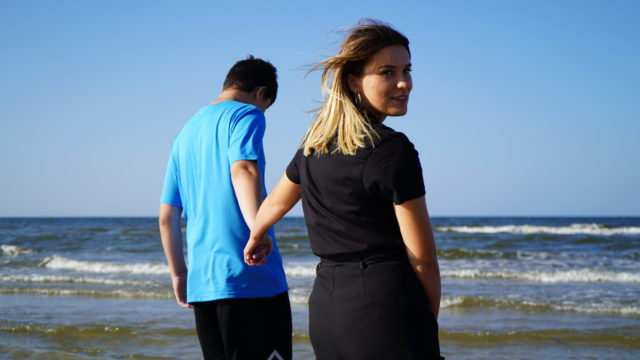
“Retreats” are not just a trendy name for glamping getaways for people tired of city life. The PCPM Foundation is giving them a new meaning by organizing summer camps for children with moderate intellectual disabilities in such a way that their accompanying mothers and caregivers can experience genuine rest and, for once, think about themselves.
In the final weeks of summer, PCPM has concluded camp sessions for children from Ukraine, who were allowed to invite a Polish friend along. This year, around 450 children went to summer camps. However, while reviewing applications, PCPM staff noticed that some children required additional support and a more individualized approach, and could not be left without their parents’ care for such a long period, even with qualified caregivers on site.
In response, the Foundation organized a special turnus in Jantar, where children traveled not with a peer, but with their closest caregivers – mainly their mothers who could also rest thanks to this arrangement.
Holidays were out of the question
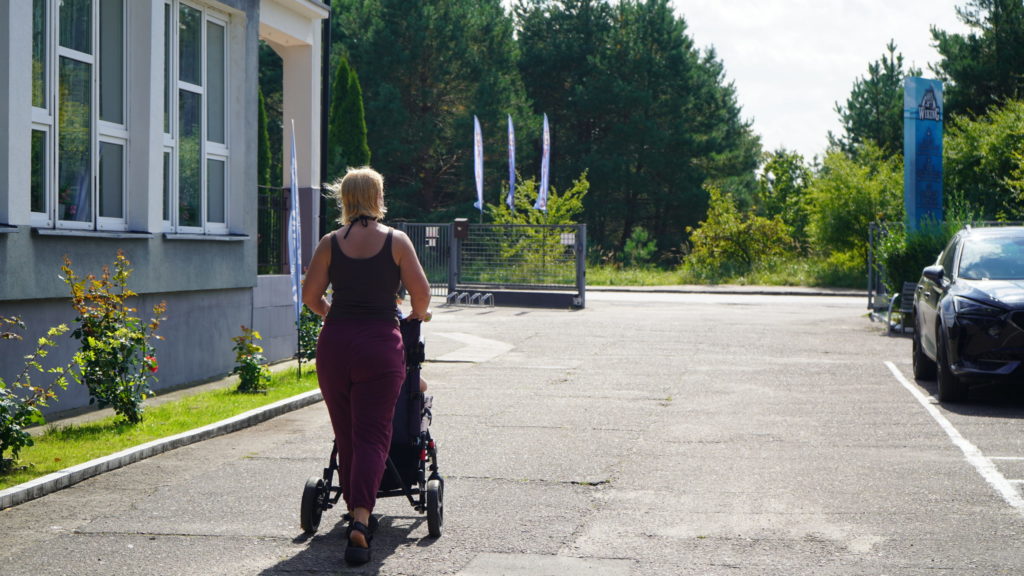
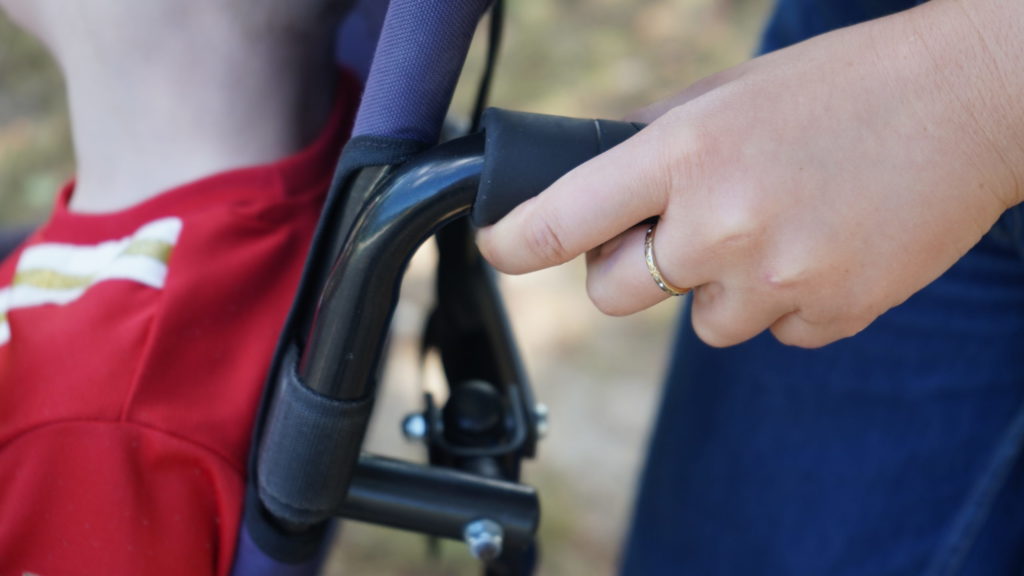
For many mothers, the very idea of such a trip felt out of reach. They admit that organizing even a short vacation with their child is logistically difficult – or simply impossible for a single mother or caregiver living on benefits with a child with a disability. There is also the psychological burden: worries about how the child will be treated while traveling, how they will cope with a long journey and a new environment.
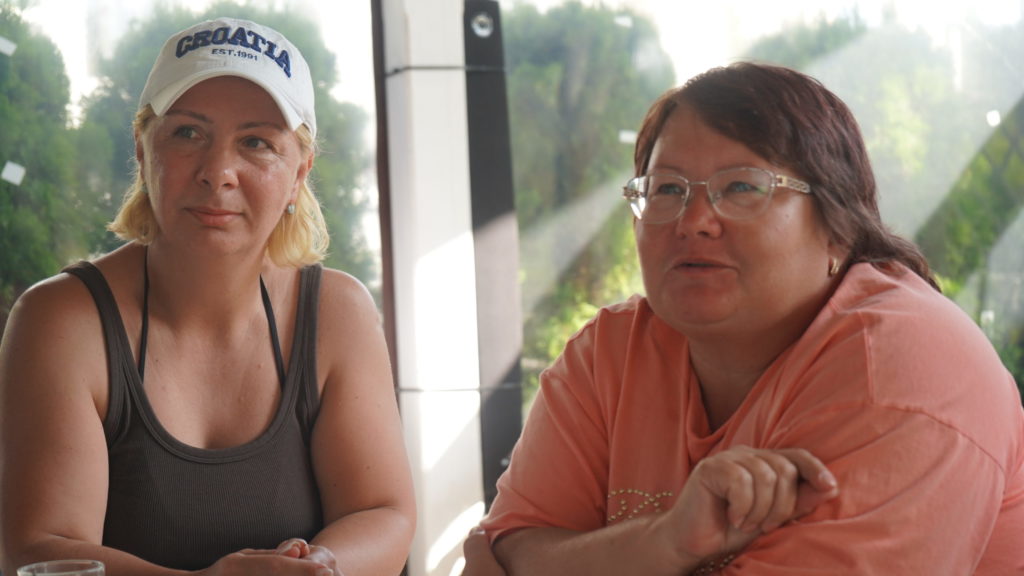
Lyudmyla, one of the mothers on the trip, shared:
“I have a boy with a severe degree of disability, dependent on another person’s help, and a son with autism. My son’s disability isn’t visible, but we need a lot of support, especially when difficult behaviors appear that can be perceived as rudeness. Here we receive exactly the kind of support we need.”
24 hours a day, 365 days a year
Parents of children with disabilities are often constantly on alert. It is work without breaks.
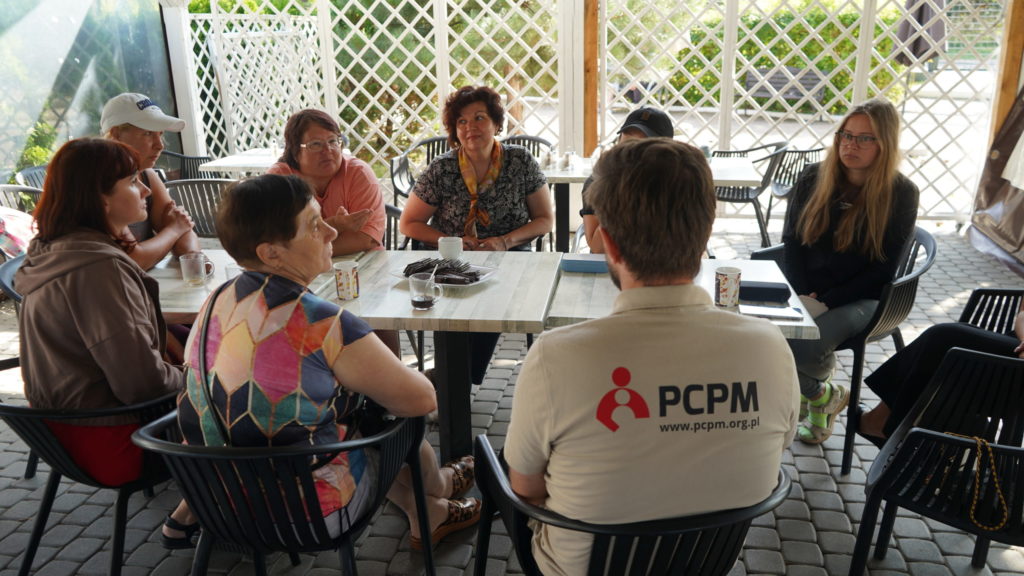
“First of all, it’s a change of environment, a change from the daily home routine. That is very important, because with these children we are together twenty-four hours a day, three hundred sixty-five days a year. It is very hard when we keep doing the same thing,” said Tatyana, Michał’s mother.
Even when they are theoretically resting, their minds are still working and stress does not subside. Respite means being able to take that responsibility off one’s shoulders, at least for a moment- and here, that moment becomes possible.
One mother said what delighted her most was the chance to do something without constantly wondering whether her child was safe at that moment – whether they might run off, get lost, or accidentally hurt themselves. Another emphasized how important it was to meet people who simply understand and do not judge, with whom she could talk without having to explain her everyday reality from scratch.
Przemysław Stachura, project coordinator, explained:
“We wanted children with special needs to also be able to experience a holiday trip, play together, and be part of a group. At the same time, we wanted to create conditions in which their mothers or caregivers do not have to watch them constantly and can, for a moment, focus on themselves as well.”
A program tailored for two
To meet these needs, PCPM organized a dedicated trip in which children with intellectual disabilities participated in a specialized recreational program, while their mothers had space for themselves. During that time, caregivers organized activities planned with particular attention to the children’s needs and abilities.
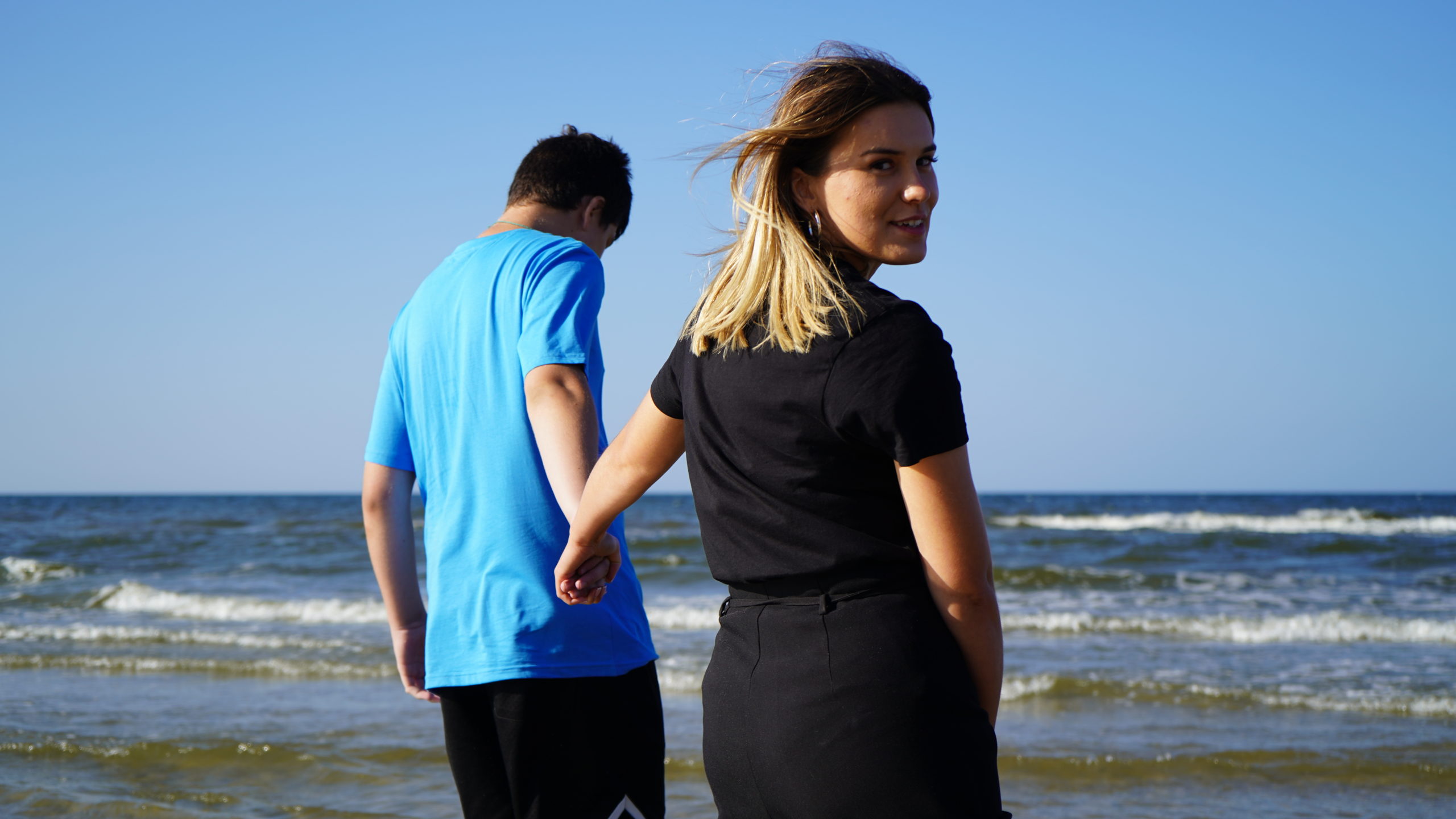
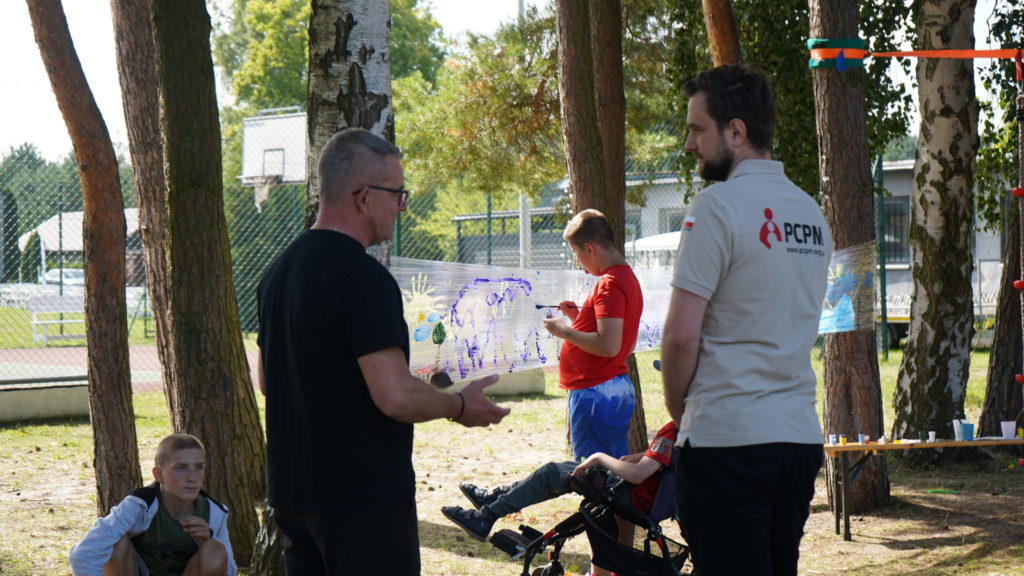
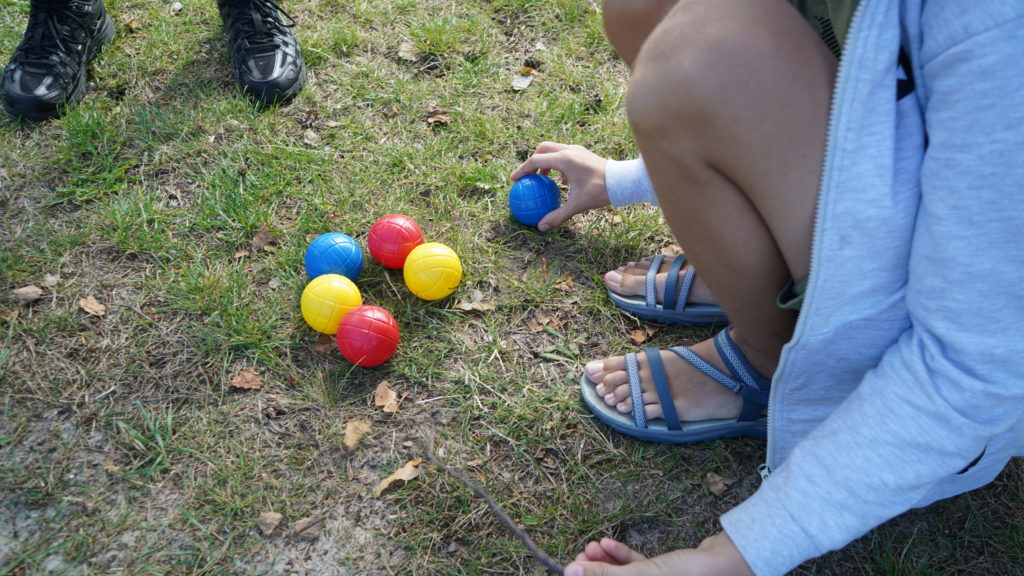
“The aim of these trips is to support children’s socialization, ensure their safety, and make their time enjoyable through creative activities. The daily routine here is that during activity blocks, the children with disabilities are under our care, and parents can go somewhere in town, to the beach, be alone, or rest. We go for walks by the sea, run art therapy sessions, sports mini‑Olympics. In the evenings we meet for various conversations; parents join us, talk about their experiences and stories. As a psychologist, I gave a lecture on the stress that parents of people with disabilities face all the time,” says Karolina Wąs, a psychologist and one of the caregivers.
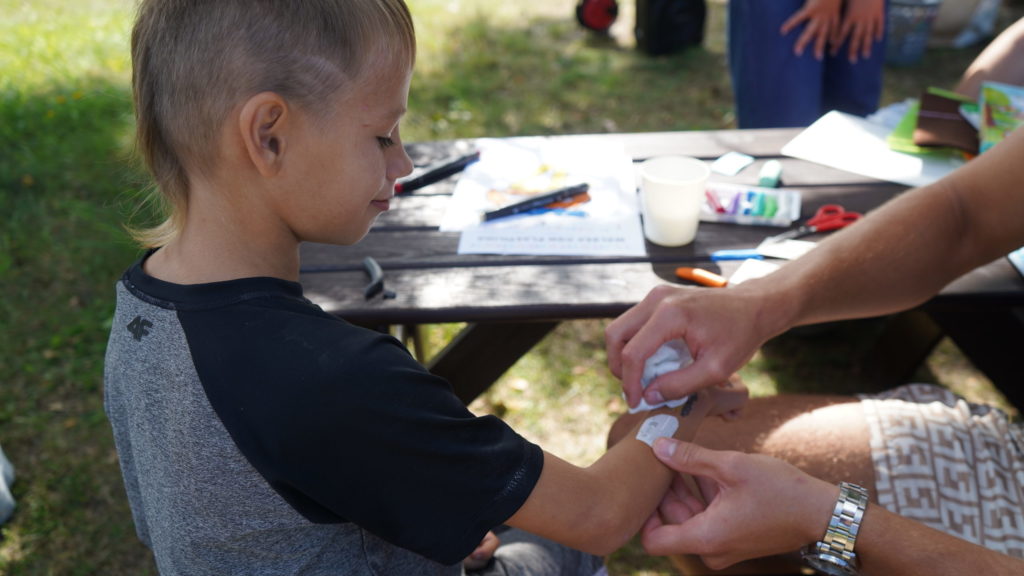
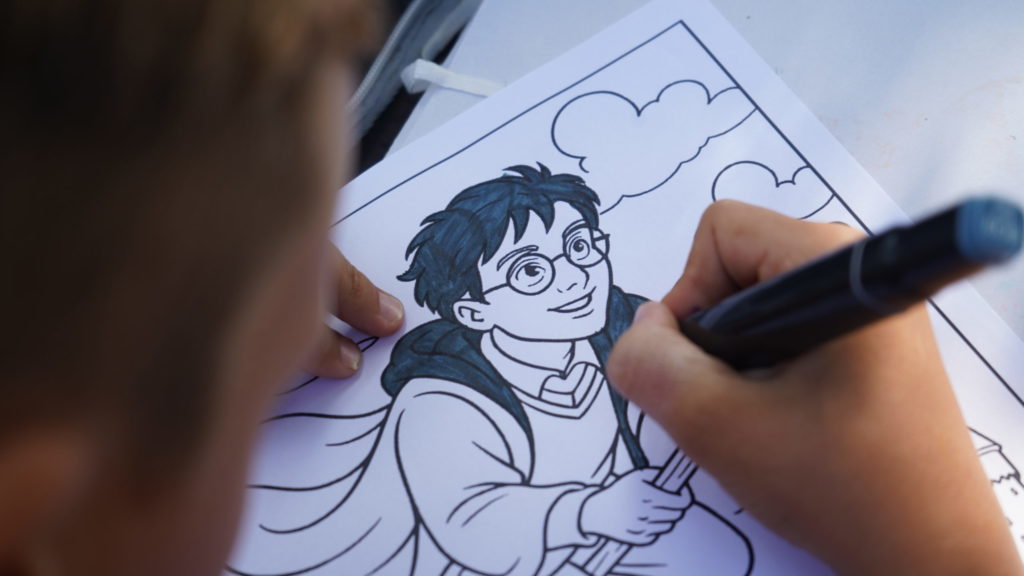
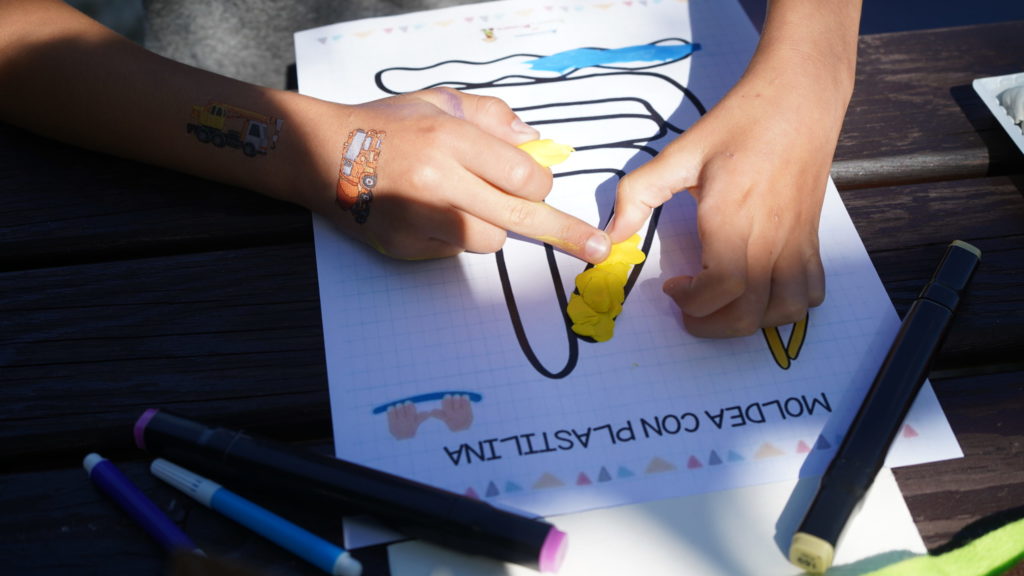
The children thrived most during art therapy sessions – painting with colors, filling in coloring pages, drawing together. They were cared for by specialists: psychologists and assistants with extensive experience working with people with disabilities.
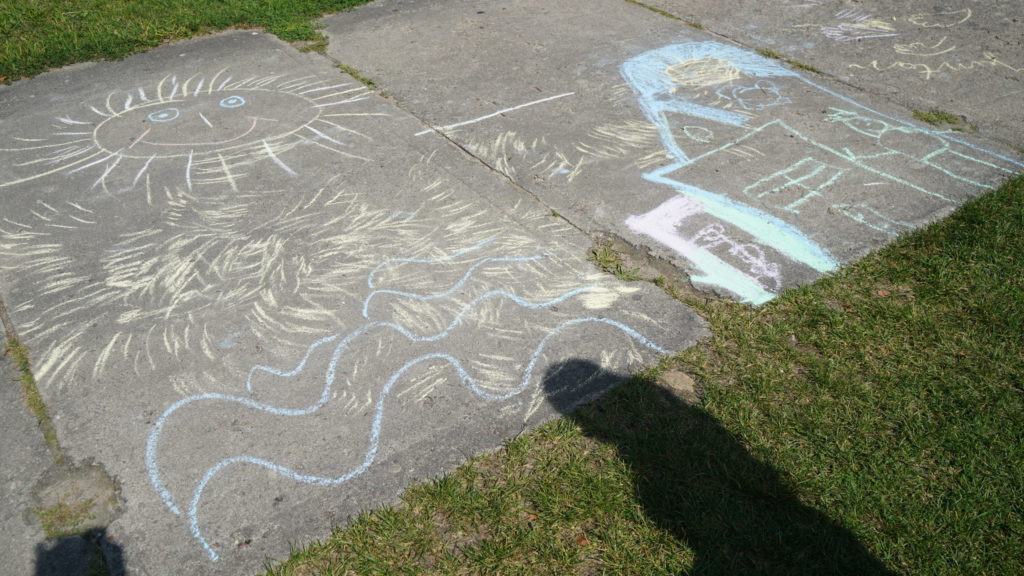
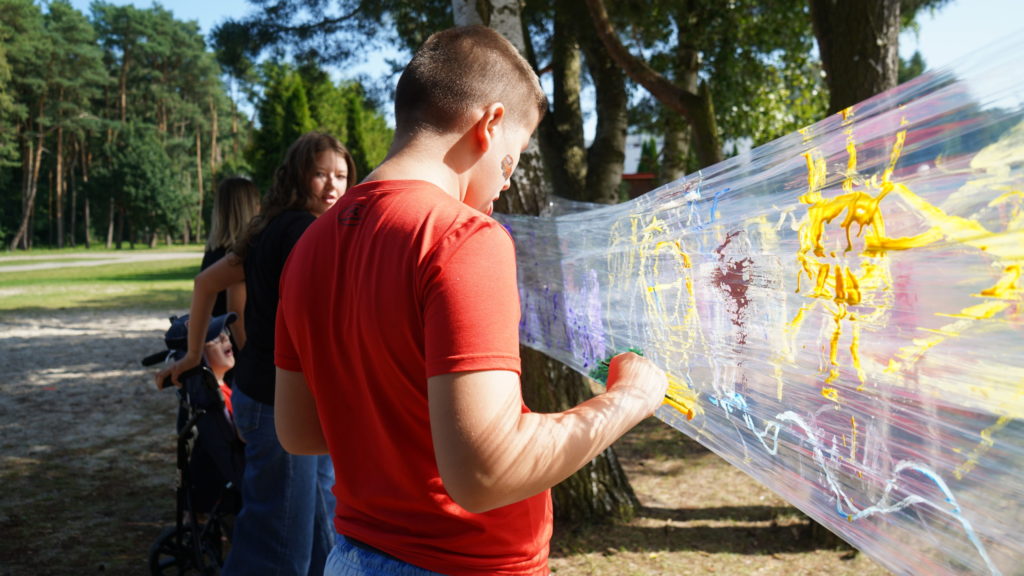
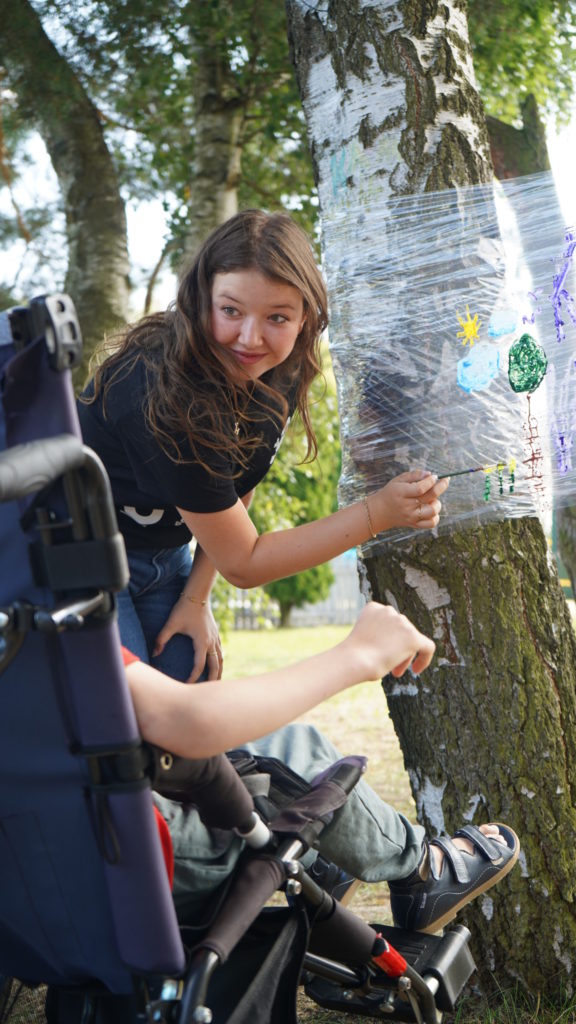
Meanwhile, mothers could take part in sports activities, walk into town, explore, or simply relax by the sea. The trip program also included three meetings with a psychologist, covering topics such as stress, coping with tension, personal assistant support, self‑realization and motivation, and what is especially difficult for parents of children with disabilities – self‑care.
Equally valuable was the opportunity to exchange experiences among the women, which helped reduce feelings of isolation, loneliness, and lack of understanding.
This is the first specialized trip we have organized and we hope it will not be the last. As the participants themselves emphasized, this kind of support is still rare, which is why we heard such exceptional gratitude from them.
“I wish there were more understanding for families raising children and adults with disabilities. I wish I could talk about this,” says Olga, Ilya’s mother.


