

Dilemmas in Zaporizhzhia. Ukrainian firefighters are battling more than just fires
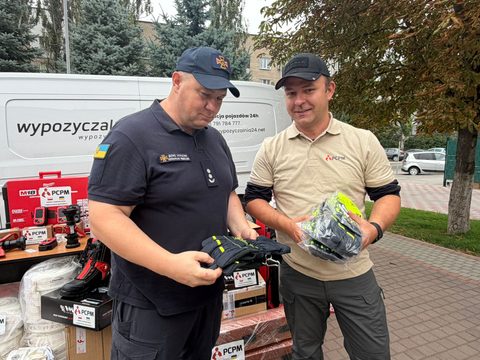
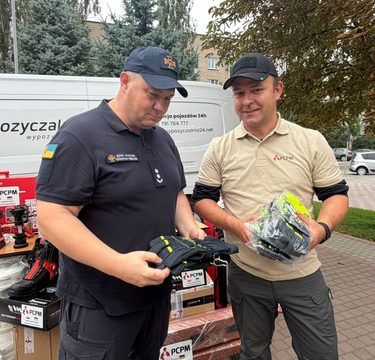
Zaporizhzhia is today one of the most heavily shelled regions of Ukraine – Russian attacks spare neither homes nor the firefighters who rush to put out the fires. Volunteers from the Polish Center for International Aid (PCPM), who have just returned from Zaporizhzhia, are increasingly concerned by what they are seeing.
“I regularly travel to Zaporizhzhia to provide assistance, and what I see is, unfortunately, a deepening humanitarian crisis. A year ago, despite being relatively close to the front line, the situation did not look nearly as bad as it does now,” says PCPM volunteer Piotr Możwiło.
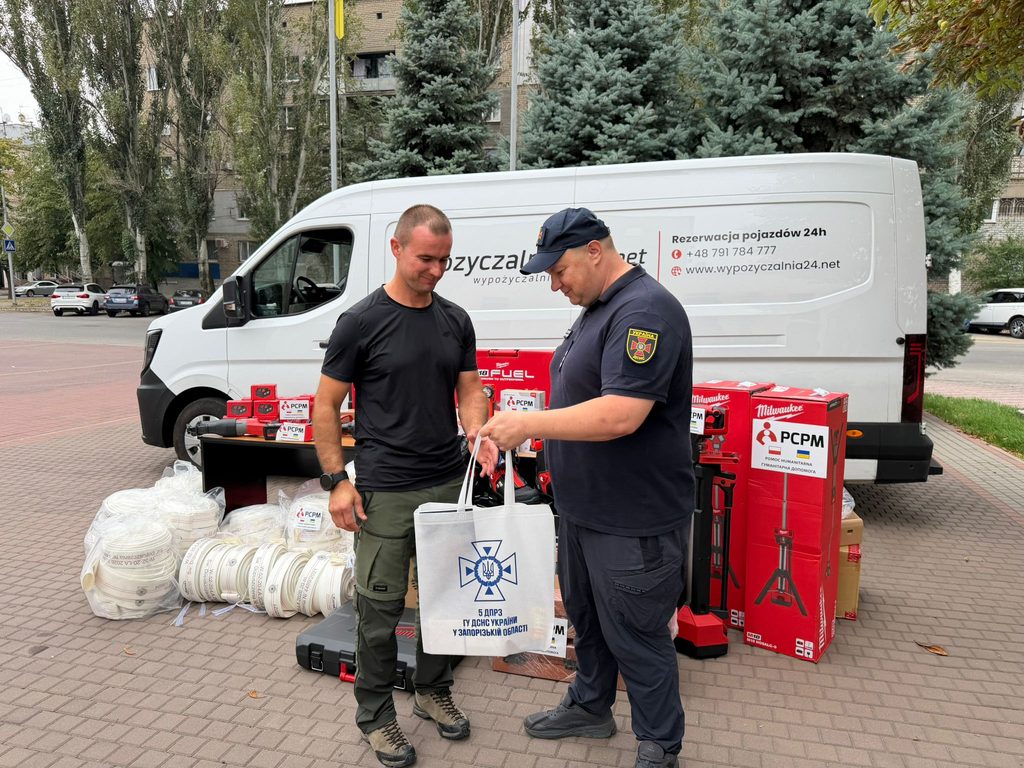
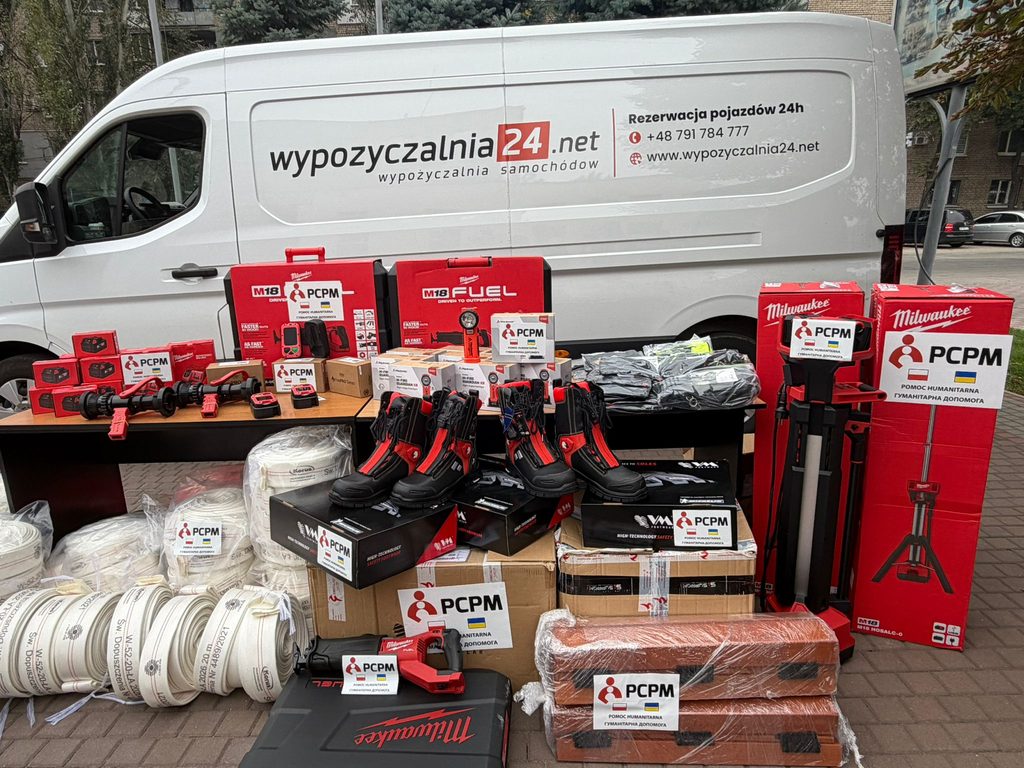
Together with Andrzej Szpilarewicz, Piotr Możwiło regularly supports the Ukrainian fire service by delivering the equipment they need most.
“Every time, we bring similar equipment, such as thermal imaging cameras, fire hoses, flashlights and static lighting. It simply gets used up incredibly quickly because it is needed almost every day,” Piotr Możwiło adds.
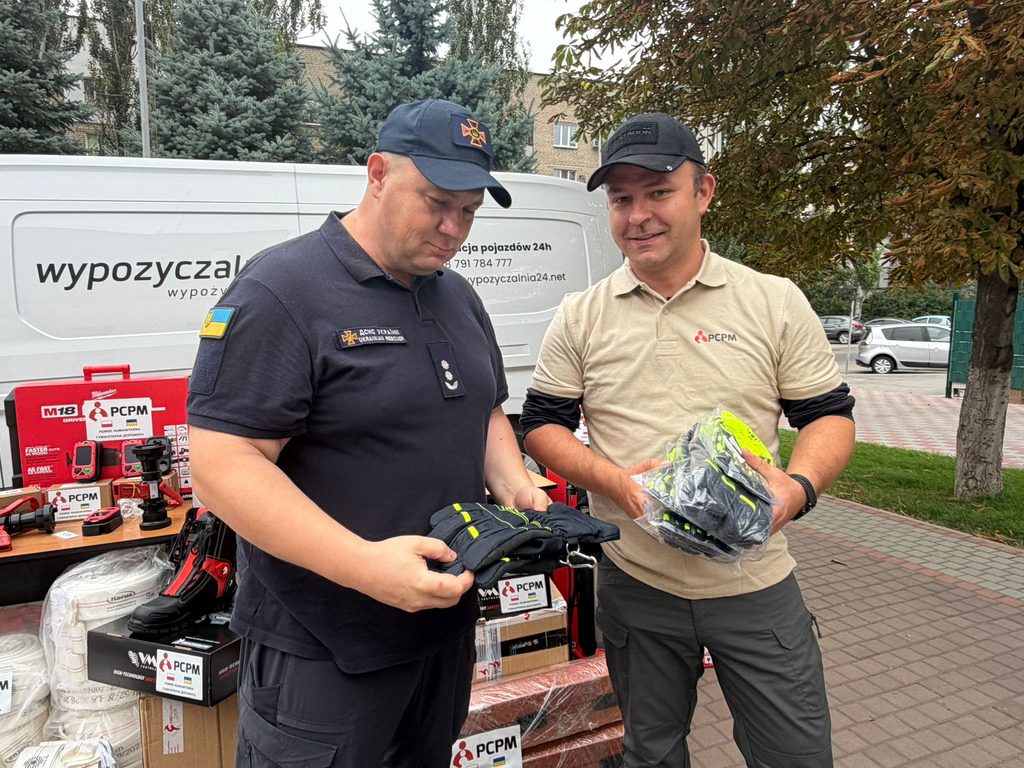
In recent weeks, Zaporizhzhia in southeastern Ukraine has once again come under heavy Russian shelling. During the night of 26–27 August 2026, a Russian attack hit, among other areas, Zaporizhzhia Oblast, injuring three children and killing a 78-year-old woman. Earlier, on 11 August, the city was attacked with ballistic missiles and air-launched guided bombs. Six people were killed and 19 wounded, while four apartment buildings were damaged. At the beginning of August, Russian aircraft dropped eight glide bombs on residential areas of Zaporizhzhia within just 90 minutes, killing one person and injuring dozens more. The region also regularly experiences large-scale drone and artillery attacks. On one such day, the Ukrainian military recorded nearly 1,000 attacks on 51 settlements across Zaporizhzhia Oblast. As violence against civilians continues to escalate, humanitarian assistance from organizations such as the Polish Center for International Aid is becoming increasingly essential for the people of Zaporizhzhia.
Polish volunteers from the Polish Center for International Aid have been working in these conditions for four years.
Ukrainian firefighters are not only overwhelmed by the scale of their work, but are also highly exposed to shelling.
“The Russians may first shell, for example, a residential building, and then wait for the fire service to arrive before shelling the same location again,” the volunteer explains.
The only way to “deal” with this threat is to reduce the number of firefighters taking part in an operation. Unfortunately, this also reduces their effectiveness in fighting fires. Możwiło compares it to a large supermarket that came under attack and was fought by just 12 firefighters – in Poland, an incident of this scale would require at least 50 people.
Ukrainian firefighters respond to emergencies wearing bulletproof vests and military helmets. As the volunteer points out, these helmets have little practical use during firefighting operations beyond protecting against impacts and falling objects. However, firefighters in Ukraine consider shelling a greater threat than the fires themselves.
The assistance delivered by PCPM volunteers is fully financed by donations. During this transport alone, equipment and humanitarian aid worth more than PLN 100,000 was purchased. However, as Piotr Możwiło points out, Ukrainian firefighters say they also need specialized equipment for detecting radioactive contamination.
“Our Ukrainian colleagues have already faced several situations in which shells may have been contaminated with radioactive material, but so far they have had no way of checking. That is why it is so important for them to have a professional Geiger counter.”
Not only firefighters
Andrzej and Piotr also make sure not to forget ordinary civilians. As many as 60 people living in communities located directly along the front line received numerous packages containing food and hygiene products.
“The communities we visit are increasingly destroyed each time we return. Unfortunately, some of them are already under occupation,” Piotr Możwiło recalls.
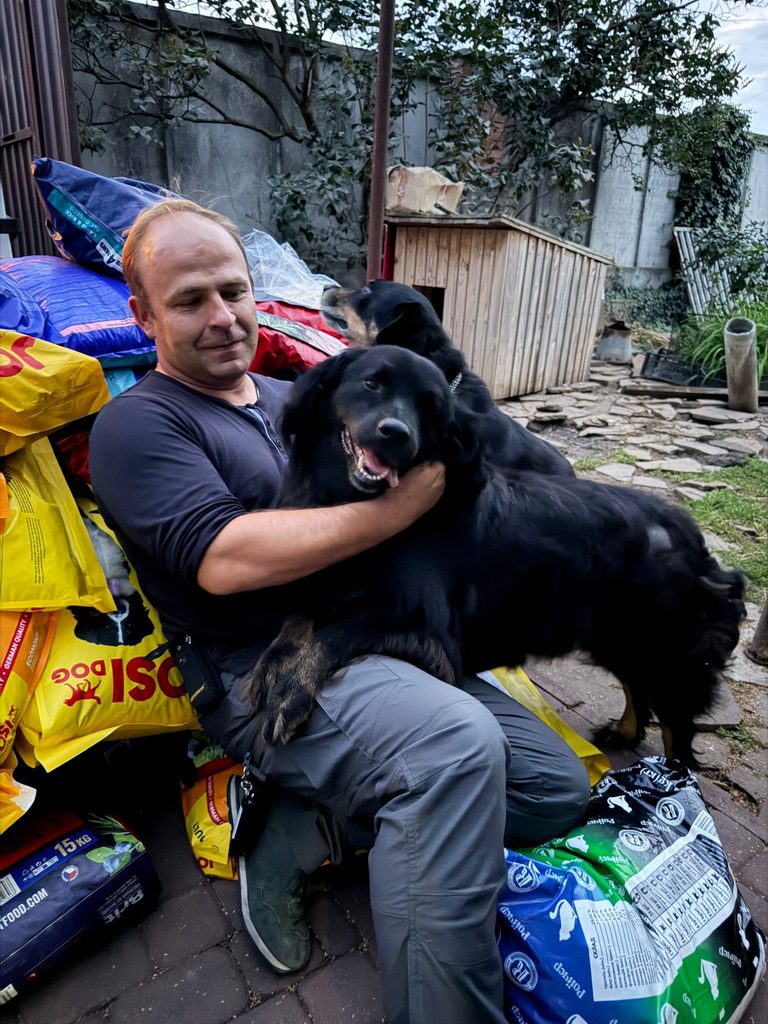
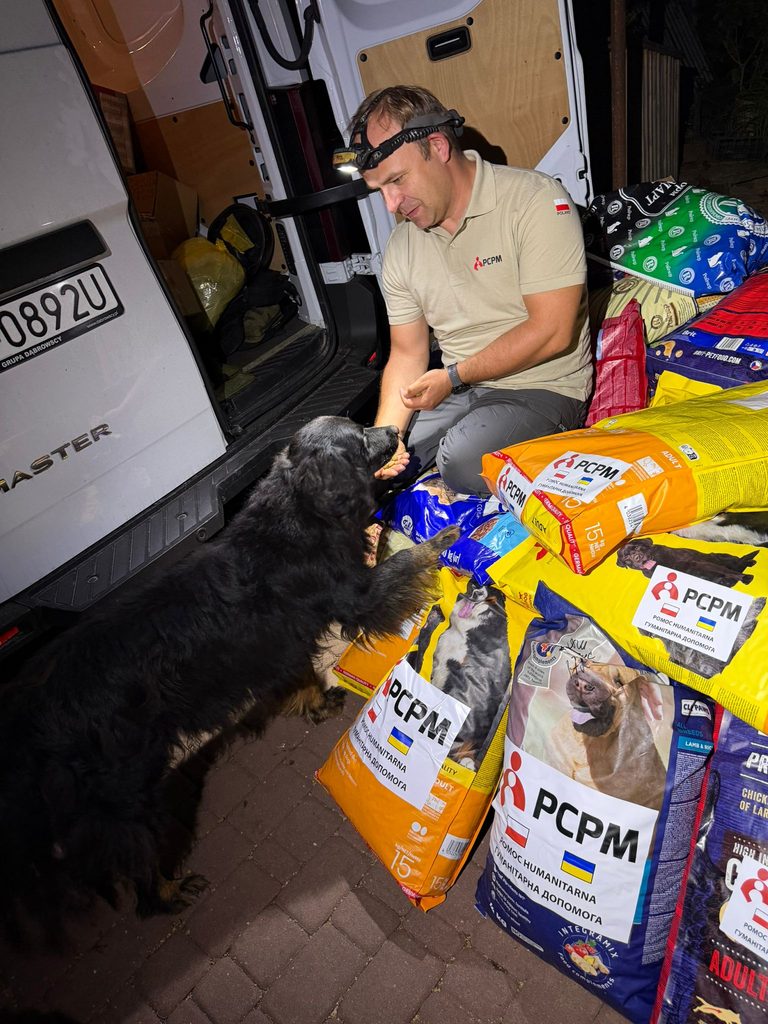
The volunteers are also helping a woman living alone in Zaporizhzhia who runs an animal shelter. The war has led to many animals being abandoned or fleeing their homes. One of the places where they can find shelter is Larisa’s animal refuge, which can operate only thanks to the support of volunteers.
Several dozen kilograms of animal food will help keep the shelter running, but Larisa is already worried about what the winter may bring.
“During freezing weather, I bring the dogs into my home. But if there is no heating because of Russian attacks, that won’t help them much,” Larisa tells the volunteers.
PCPM helps Ukraine
“The PCPM Foundation has helped Ukraine, is helping Ukraine, and will continue to help Ukraine for as long as it is needed,” said Wojtek Wilk, President of the foundation, during the Ukraine Recovery Conference.
For PCPM, helping is not only about large-scale projects, but also about small, practical forms of support. Alongside our long-term involvement in rebuilding homes, supporting local governments, providing medical and firefighting training, and many other activities, our volunteers have also been providing assistance in Zaporizhzhia since 2022. That is why we are grateful for every donation and encourage regular contributions, which allow us to deliver assistance like this to Zaporizhzhia.


