

Hunger Knows No Borders: How Wars, Droughts, and Poverty Deprive People of Food Security
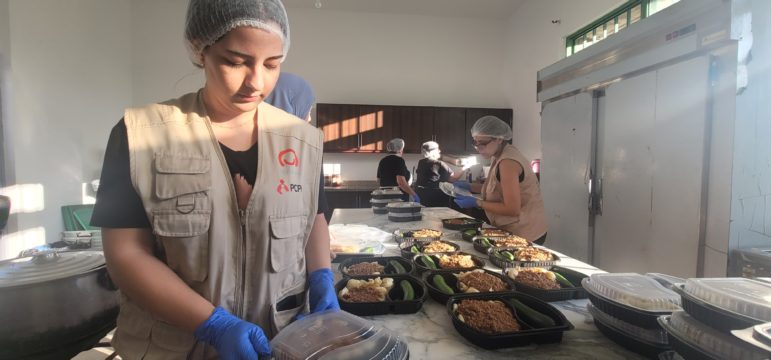
Hunger is not a distant problem. On World Food Day, also known as the Day Against Hunger, we remember the millions of people around the world for whom malnutrition means a loss of health and security. It is a global crisis affecting not only countries devastated by conflict and natural disasters, but also communities struggling with poverty, climate change, and a lack of access to food.
South Sudan – Hunger Deepened by Drought
From the perspective of a humanitarian organisation providing assistance in countries at risk of famine and malnutrition, it is impossible not to begin with South Sudan on World Food Day, also known as the Day Against Hunger. Since 2017, the Polish Center for International Aid Foundation has been providing humanitarian assistance there, with a particular focus on children at risk of malnutrition.
South Sudan is facing one of the most severe food crises in the world. According to the 2026 update from the Integrated Food Security Phase Classification (IPC), approximately 7.8 million people, more than half of the country’s population, are at risk of crisis-level or more severe food insecurity during the period from April to July. Around 73,000 people have been classified in the most severe category: catastrophic food insecurity. Several counties remain at risk of famine under the worst-case scenario.
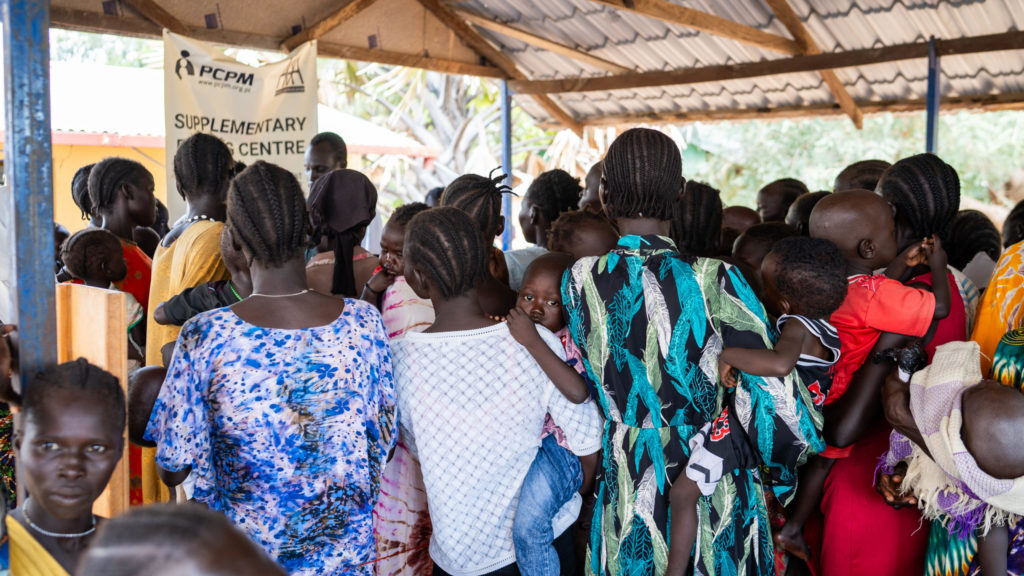
The crisis is driven by a combination of factors, including armed conflict, displacement, the effects of climate change, economic hardship, and limited access to humanitarian assistance. Prolonged drought destroys crops and restricts access to water, while high prices for basic goods mean that even buying maize flour is becoming increasingly difficult for many families. According to humanitarian organisations, around 2.2 million children in the country are suffering from acute malnutrition.
The scale of the crisis is evident in the areas where the Polish Center for International Aid Foundation provides assistance. The Foundation reaches, among others, a camp for people fleeing the war in neighbouring Sudan, as well as people returning to their home country. In the first half of 2026, its team conducted more than 4,000 mobile consultations and screened 3,400 children for malnutrition. During this period, half of all medical and nutritional services provided by the Foundation were delivered outside its permanent Nutrition Centre.
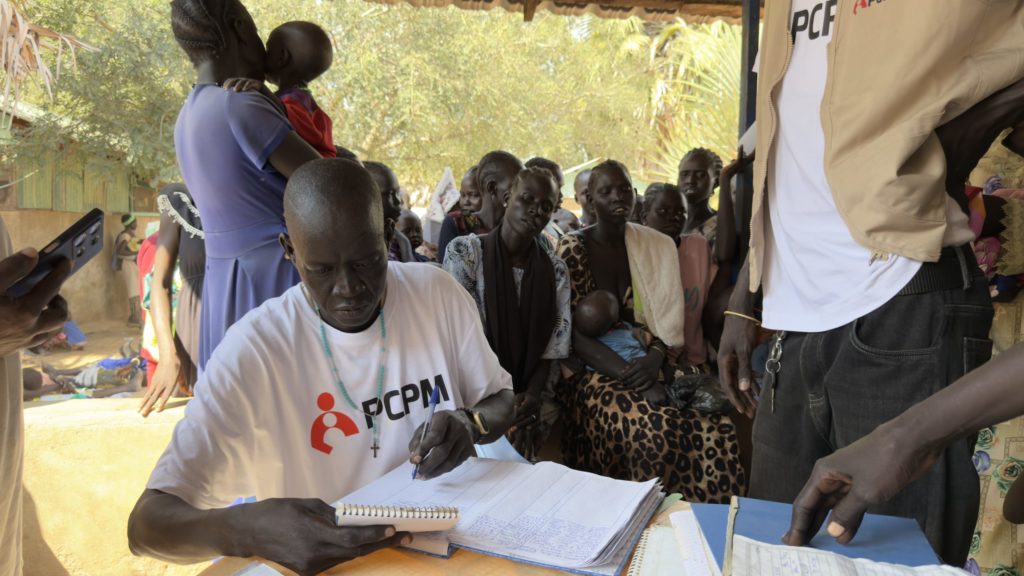
Needs are growing faster than the capacity to provide assistance. In his appeal, Samuel Mareng, who has been overseeing the Foundation’s operations in Aweil since March 2017, highlights the devastating effects of drought on local communities:
Food supplies are running out, peanut, okra, and pumpkin crops are drying up, and local healthcare facilities lack the resources needed to help all the children in need. This is why the Polish Center for International Aid Foundation is also expanding its mobile assistance, ensuring that therapeutic food, medicines, and medical care reach people who are unable to access support centres on their own.
Global Hunger: Millions of People Lack Access to Sufficient Food
The crisis in South Sudan is part of a wider global problem. According to the latest United Nations report, The State of Food Security and Nutrition in the World 2026, 645 million people worldwide experienced hunger in 2025, while approximately 2.1 billion faced moderate or severe food insecurity. This means that billions of people cannot be certain they will be able to meet their basic nutritional needs regularly, or are forced to skip meals to cover other essential expenses necessary for survival. A separate report, Global Report on Food Crises 2026, indicates that in 2025, 266 million people across 47 countries and territories affected by food crises experienced high levels of acute food insecurity.
Behind these statistics lie not only food shortages and malnutrition, but also lost incomes, forced displacement, destroyed farms, and limited access to markets. Conflicts and climate-related disasters can deprive entire communities of their livelihoods in a short period of time, while rebuilding self-sufficiency can take years.
From the Strait of Hormuz to the Price of Bread
Geopolitical crises also affect food availability beyond areas directly affected by fighting. Disruptions to shipping through the Strait of Hormuz hinder the movement of energy resources and fertilisers, increasing the costs of agricultural production and transporting goods. The United Nations Food and Agriculture Organization (FAO) warns that limited fertiliser availability could reduce crop yields in the second half of 2026 and in 2027, while the effects of these disruptions could drive up global food prices. In September 2026, the FAO Food Price Index rose by 1.5% compared with August, while the Cereal Price Index increased by 5.1%, including a 6.3% rise in wheat prices. Grain prices are also affected by disruptions to trade through the Black Sea and unfavourable weather conditions. For the poorest families, this means that even when food is available on the market, it may remain financially out of reach.
Lebanon: When Families Must Choose Between Food and Heating
A similar pattern can be observed in Lebanon, where conflict, displacement, and a prolonged economic crisis are depriving families of stability. Many residents are still unable to return to their homes, which have been destroyed or are located in areas that remain unsafe. According to data cited by PCPM field staff, approximately 335,000 people remained displaced as of early October 2026, while nearly 14,000 were staying in collective shelters.
The problem is not only the lack of a safe roof over their heads, but also the rising cost of everyday life. More expensive fuel, limited access to energy, and increasing prices for basic goods are forcing families to make difficult decisions. As winter approaches, some are having to choose between heating their homes and buying food.
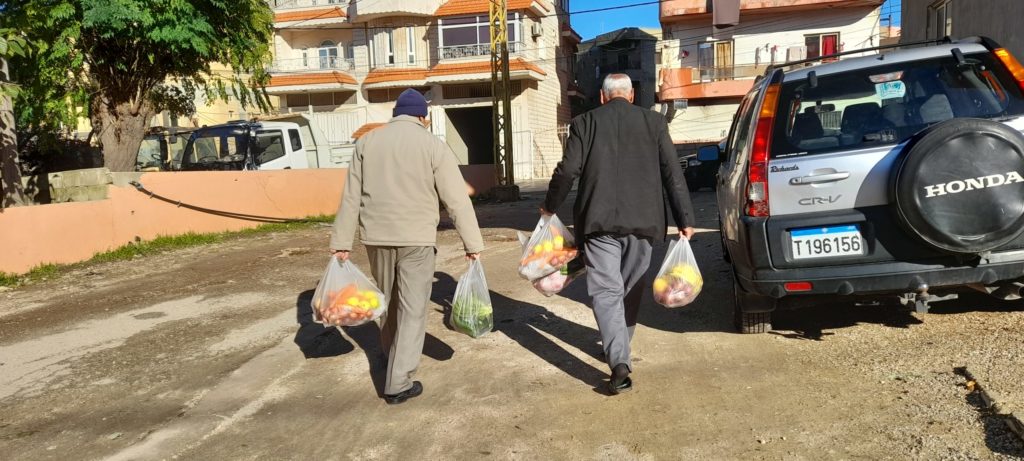
The scale of the problem is also reflected in food security data. An Integrated Food Security Phase Classification (IPC) analysis published in April 2026 estimated that approximately 1.24 million people in Lebanon would experience high levels of acute food insecurity between April and August. The contributing factors included an escalation of the conflict, displacement, loss of livelihoods, and rising food and fuel prices.
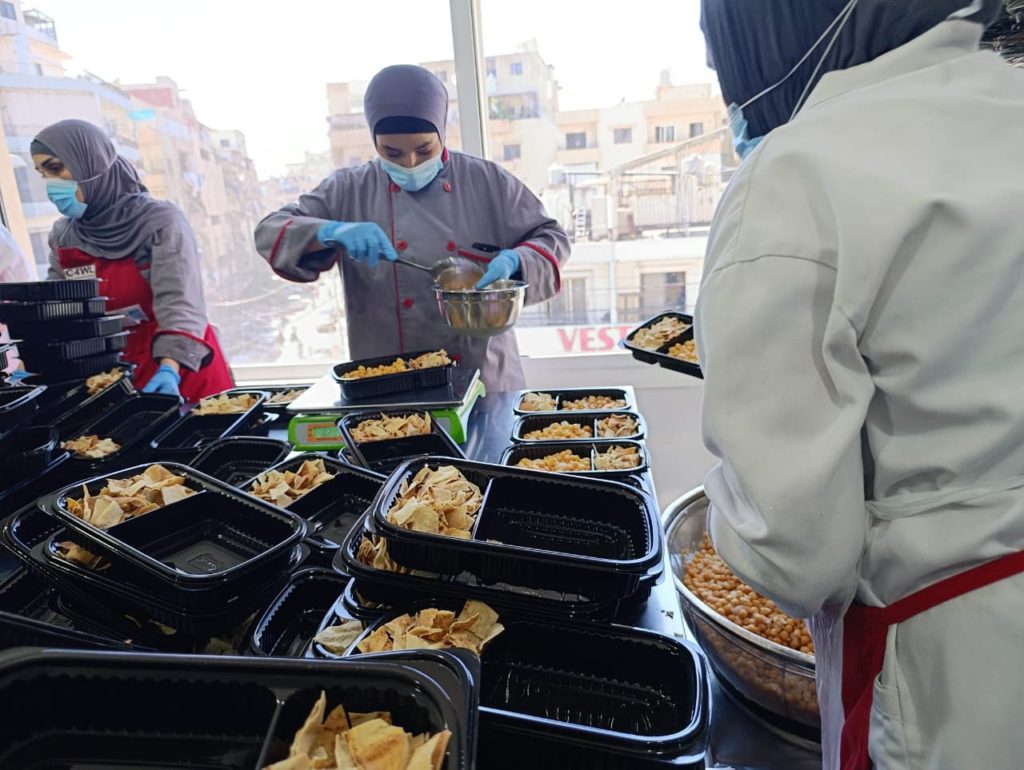
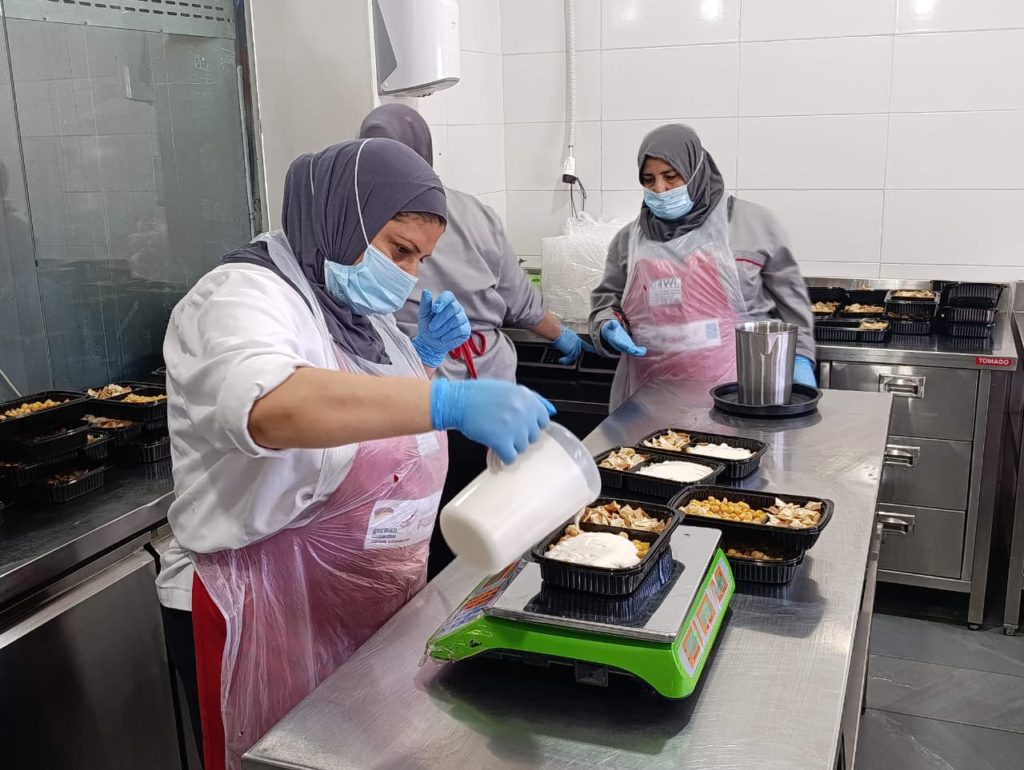
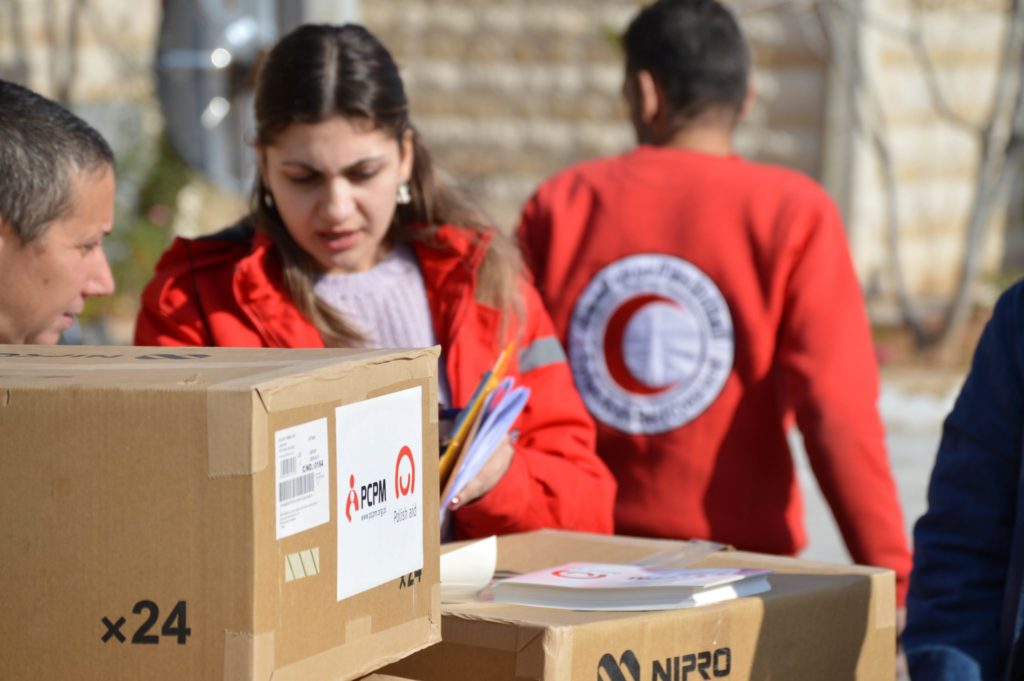
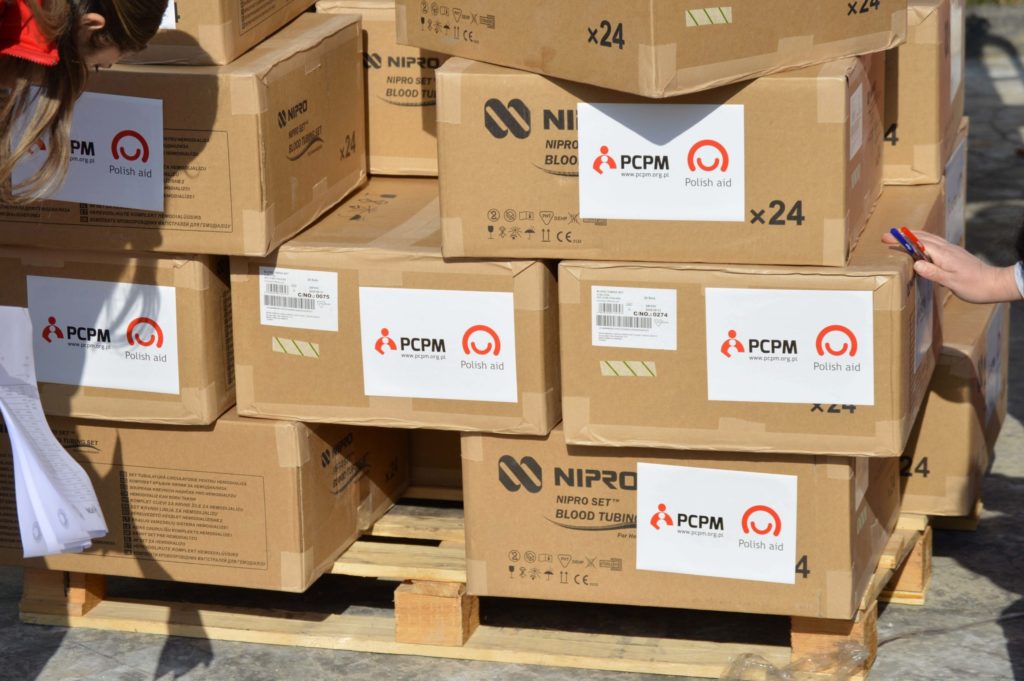
The Polish Center for International Aid Foundation, in cooperation with local partners and with financial support from the Polish Ministry of Foreign Affairs’ Polish Aid programme, runs humanitarian assistance projects in Lebanon, including food distributions. In July 2026, approximately 1,200 families in Beirut received 30-kilogram food parcels containing essential food items. Wherever possible, food is purchased locally, helping to support local suppliers and communities affected by the crisis.
Poland: Food Security Also Means Being Able to Afford Basic Groceries
Food insecurity does not always mean empty markets or a complete lack of food. Sometimes, the problem is that too little money remains for food after paying for housing, medicines, and other essential expenses. This also affects refugees living in Poland, particularly older people, people with disabilities, and those relying on low social benefits.
The Polish Center for International Aid Foundation, in cooperation with the Biedronka Foundation, is implementing the Karta na dobry dzień 2026 programme. The initiative supports particularly vulnerable Ukrainian refugees living in collective accommodation centres, specifically older people with moderate or severe disabilities. Participants receive shopping cards credited with PLN 230 per month. With six monthly top-ups, the total support amounts to up to PLN 1,380 for essential purchases.
For some older people, being able to buy groceries regularly without worrying about every item on the receipt provides meaningful relief for their household budgets. Although this assistance does not solve all the problems associated with the cost of living, it helps people meet their basic needs and reduces the need to forgo other essential expenses.


Hunger Is Not a Distant Problem
World Food Day reminds us that access to sufficient quantities of safe, nutritious food should not depend on where a person was born, the geopolitical situation, or the size of their bank balance. In South Sudan, therapeutic food, medical care, and reaching isolated communities are essential. In Lebanon, support is needed for families who have lost their homes and livelihoods in a country facing a severe economic crisis. In Poland, assistance helps refugees for whom the rising cost of living makes it difficult to meet their basic needs. These are just a few examples of the humanitarian work carried out by the Polish Center for International Aid Foundation, and they represent only a tiny fraction of the global hunger crisis.
The scale of global hunger is reflected in the fact that several international observances established by the United Nations and its specialised agencies focus on food, food security, and reducing food waste. The most important include World Food Safety Day on 7 June, the International Day of Awareness of Food Loss and Waste on 29 September, and World Food Day on 16 October. Although not all of these observances address hunger directly, they share a common goal: improving access to safe and sufficient food worldwide.
Food crises rarely have a single cause, which is why providing food alone is not enough. Action is also needed to protect people’s health, livelihoods, and access to essential services. Humanitarian assistance helps address the most urgent needs, while long-term support gives people the opportunity to regain stability and independence. This day reminds us that behind every statistic is a human being who needs not only food, but also security and the opportunity to rebuild their life. Above all, every person deserves respect for the rights we are all equally entitled to enjoy.


