PCPM volunteers close to the front line. Aid for the residents of Komyshuvakha
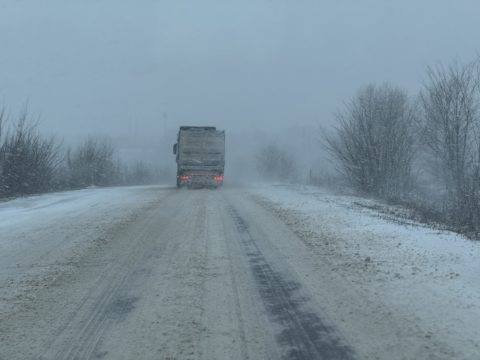
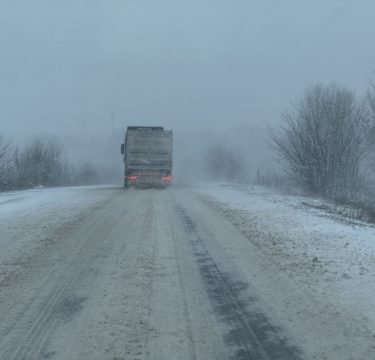
Temperatures of 20 degrees below zero, icy roads, abandoned vehicles destroyed by Russian drones along the roadside – this is what the route from Zaporizhzhia to Komyshuvakha looks like, taken by volunteers from the Polish Center for International Aid (PCPM). In towns that appear deserted at first glance, people still live and are in urgent need of assistance.
The road from Zaporizhzhia to Komyshuvakha is no longer just an ordinary route between towns, but a stretch running through a zone of real danger. In winter it becomes particularly hazardous – icy surfaces, damaged asphalt, and lack of lighting make travel difficult, while the constant risk of attack looms overhead, as Russian reconnaissance and strike drones hunt for moving vehicles. Every journey requires extreme caution and time, yet it is necessary: this is the only way aid can reach towns located close to the front line.
The humanitarian situation in the region remains extremely difficult – damaged infrastructure, interruptions in electricity and water supplies, limited access to medical care, and a large number of elderly people and families who were unable to evacuate mean that local communities are heavily dependent on external support.
“The journey was extremely exhausting, and when we finally arrived, it was already dark and the air raid sirens were constantly wailing,” recalls Tomasz Grzyb, coordinator of the Ukrainian mission of the Polish Center for International Aid.
“Civilians are now targets”
“I passed destroyed cars along the way. Russians are literally hunting people with drones – not soldiers or military vehicles, but civilians,” says Andrzej Szpilarewicz, returning from Zaporizhzhia. “Two schools and a kindergarten have been completely destroyed. Only ruins remain,” he adds.
The town of Komyshuvakha, located 10 -15 km from the front line, is under constant artillery shelling and drone attacks. The town is devastated, and in the extreme frost currently affecting Ukraine, it seems impossible that anyone could still live there. And yet several thousand people remain, with no way to leave.
“In a destroyed housing estate closest to the front line, I saw people entering an apartment block where they still live. In another part of Komyshuvakha, where we delivered humanitarian aid packages, thousands of people are still living there, including children,” Szpilarewicz reports.
At the beginning of February, temperatures there dropped below -20°C, and the roads are covered with a thick layer of ice.
In cooperation with local authorities, PCPM delivered food and hygiene supplies to Komyshuvakha. The team also evacuated several residents from the most dangerous neighborhoods and helped them reach the safer city of Lviv.
Firefighters from Zaporizhzhia
Although firefighting has always involved risk, in Ukraine today it is extremely dangerous. In addition to standard threats faced by firefighters worldwide, Ukrainian firefighters must also be wary of unexploded ordnance and, above all, shelling.
Emergency services are also targeted by Russian attacks. So-called “double strikes” are common – secondary shelling aimed at rescuers who are the first to arrive at the site of an explosion.
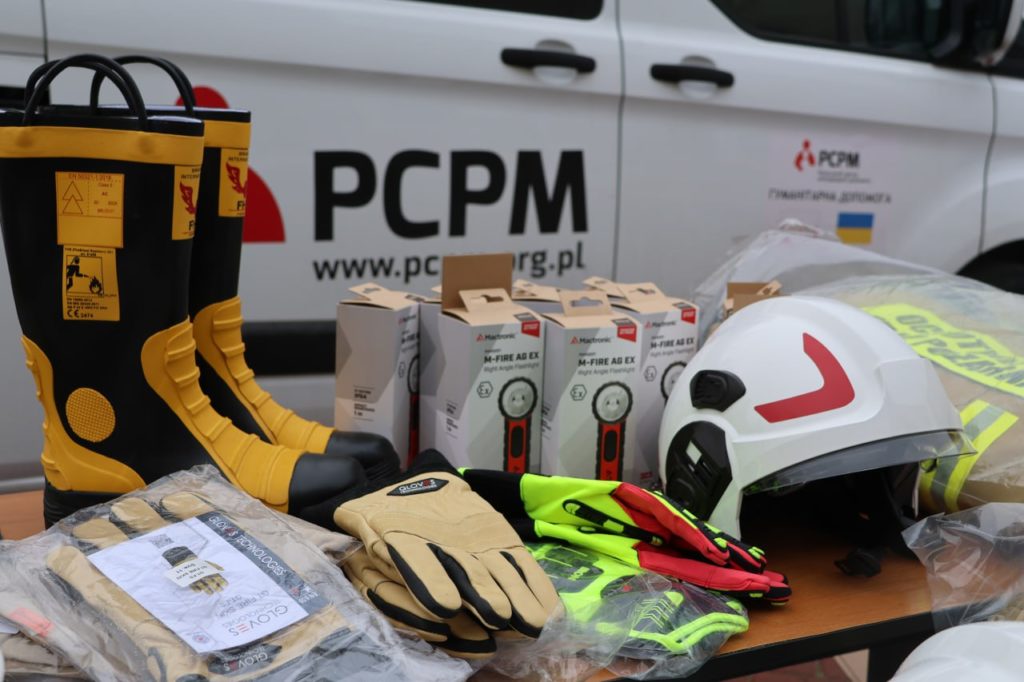
“In wartime conditions, firefighting equipment wears out very quickly. That’s why fire hoses, personal protective equipment – including turnout gear, balaclavas, firefighting boots, helmets, gloves, and angle flashlights – are worth their weight in gold,” says Tomasz Grzyb of PCPM.
Over the course of a single week, PCPM delivered 10 generators to the town of Bucha, which will help heat resilience points, as well as 15 UPS units – devices that allow computers to operate for a short time when the power goes out.
The foundation also supported animals in shelters by delivering much-needed animal food.
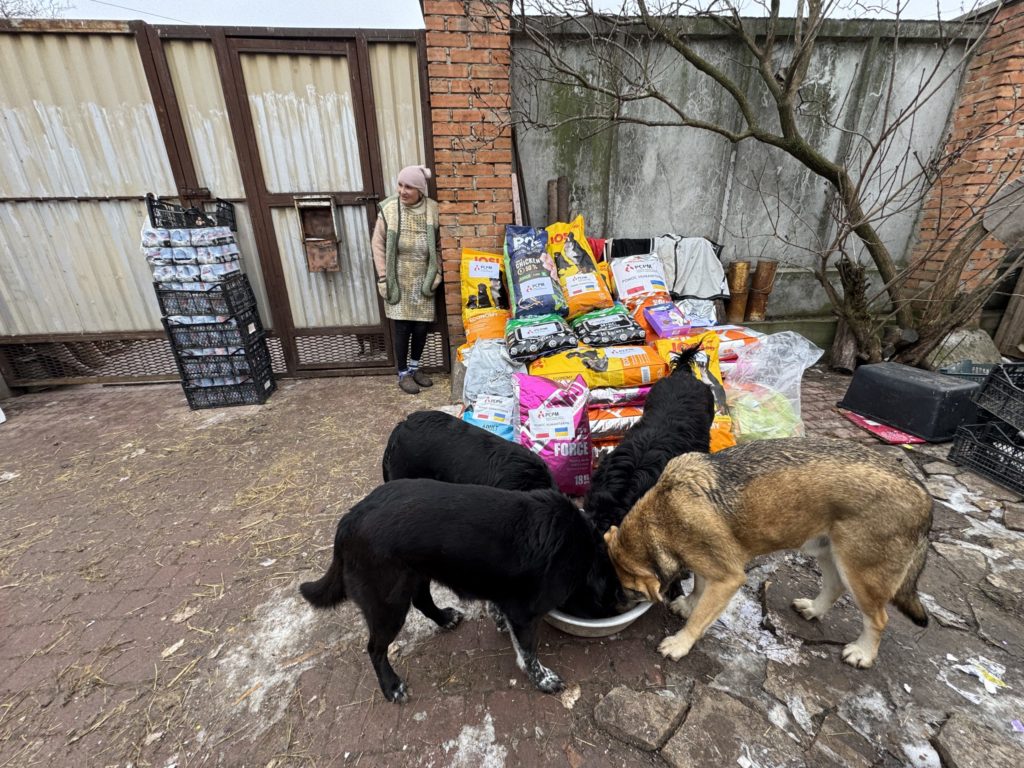
Every bit of support matters
In addition to aid in the Zaporizhzhia region, the PCPM Foundation delivered generators to Bucha near Kyiv. Unfortunately, attacks on energy infrastructure continue, and the number of homes without electricity nationwide has exceeded one million. People across Ukraine are still freezing. A fundraising campaign is ongoing to continue aid – primarily for generators and equipment that help people survive power and heating outages.
Both the assistance in the Kyiv region and the Zaporizhzhia region is made possible thanks to the support of individual donors. Every donation directly translates into the safety and lives of Ukrainians. Thanks to this support, PCPM can continue operating where help is the most difficult – and at the same time the most needed.