Small steps toward stability for families in Lebanon
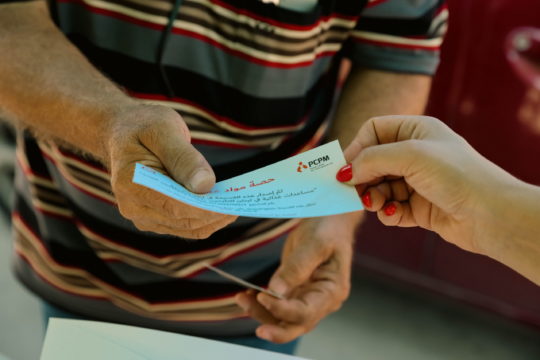
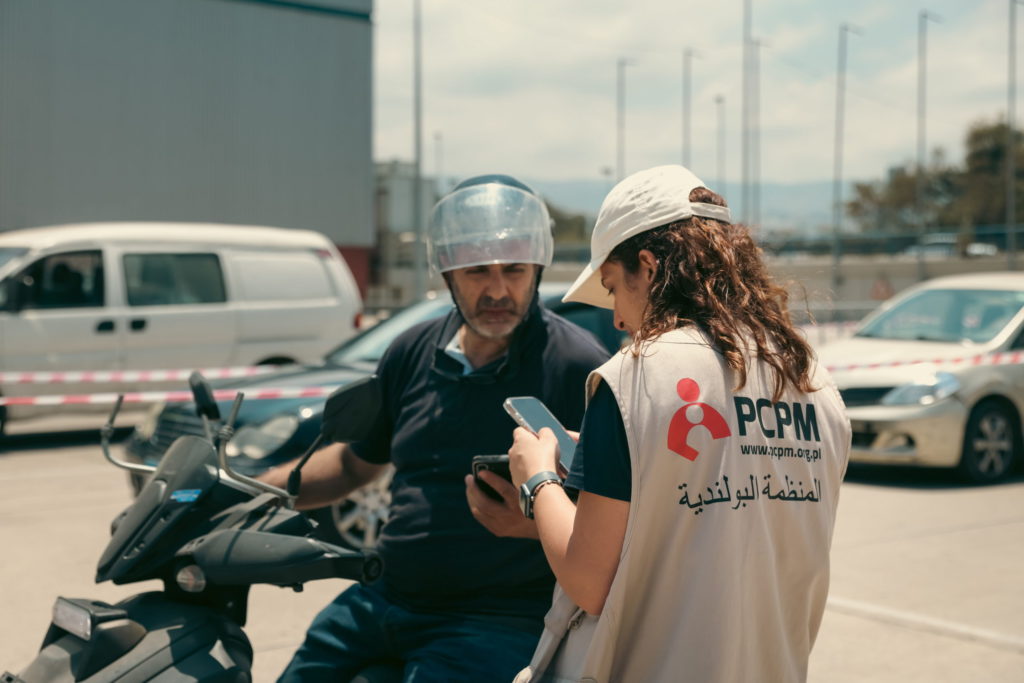
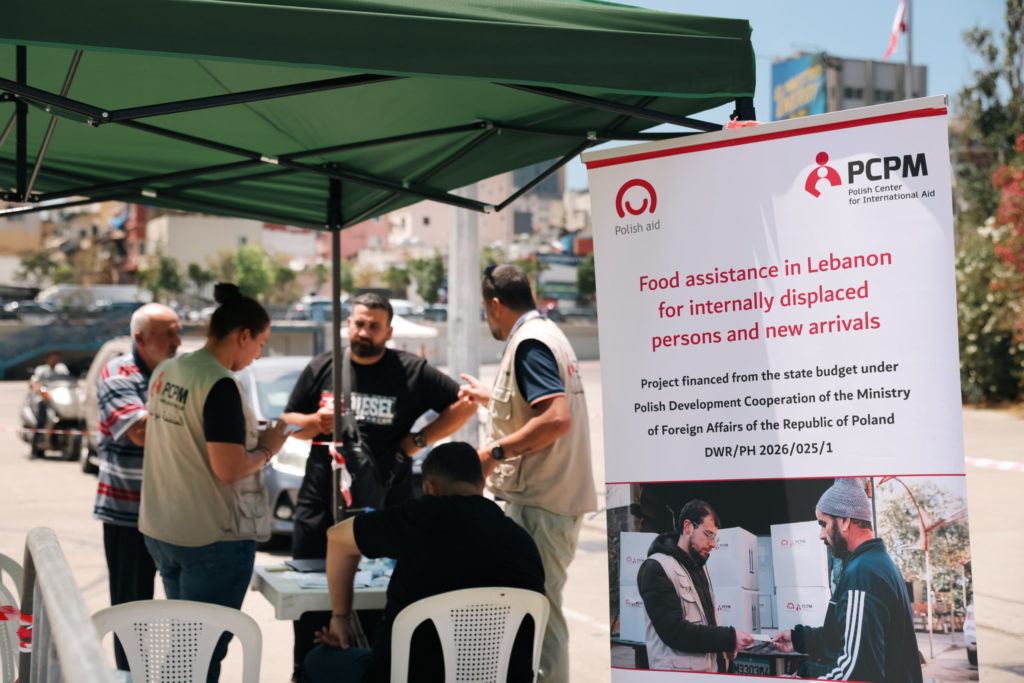
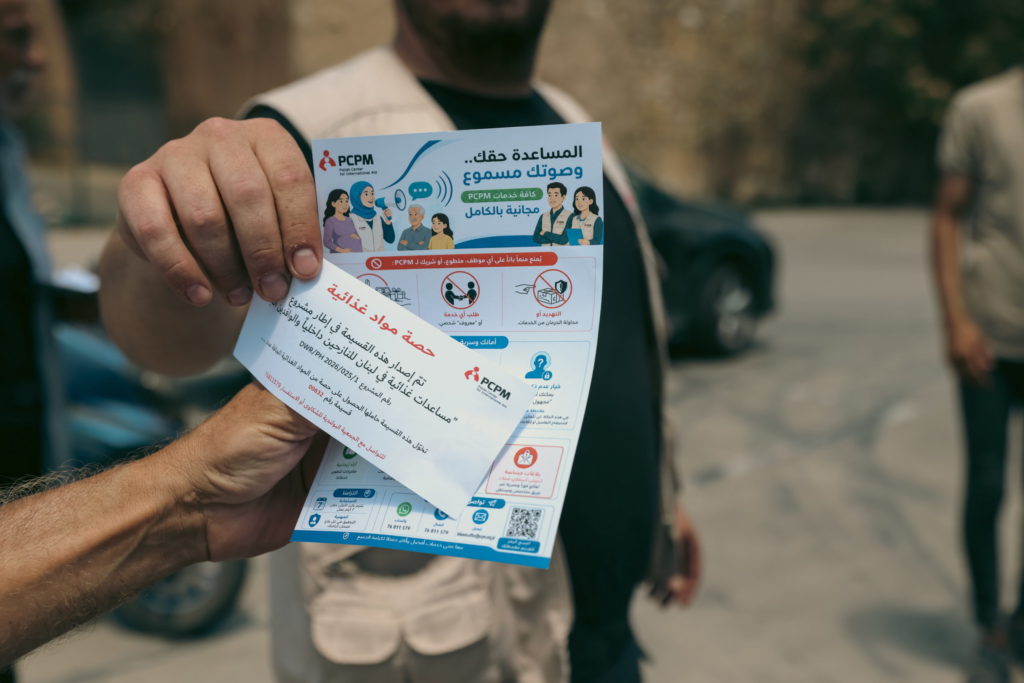
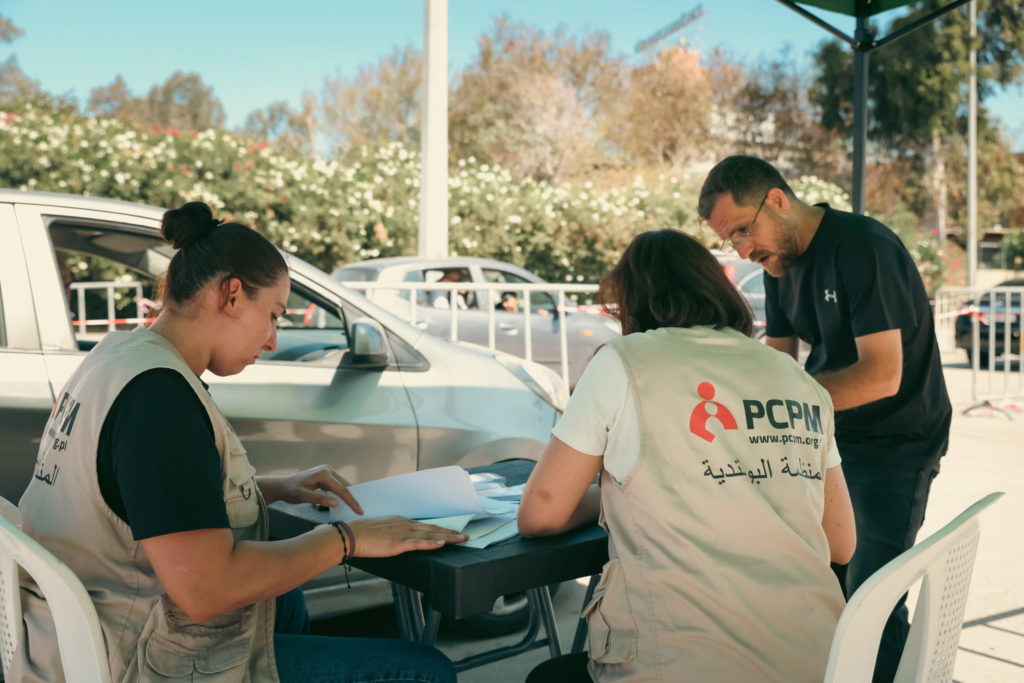
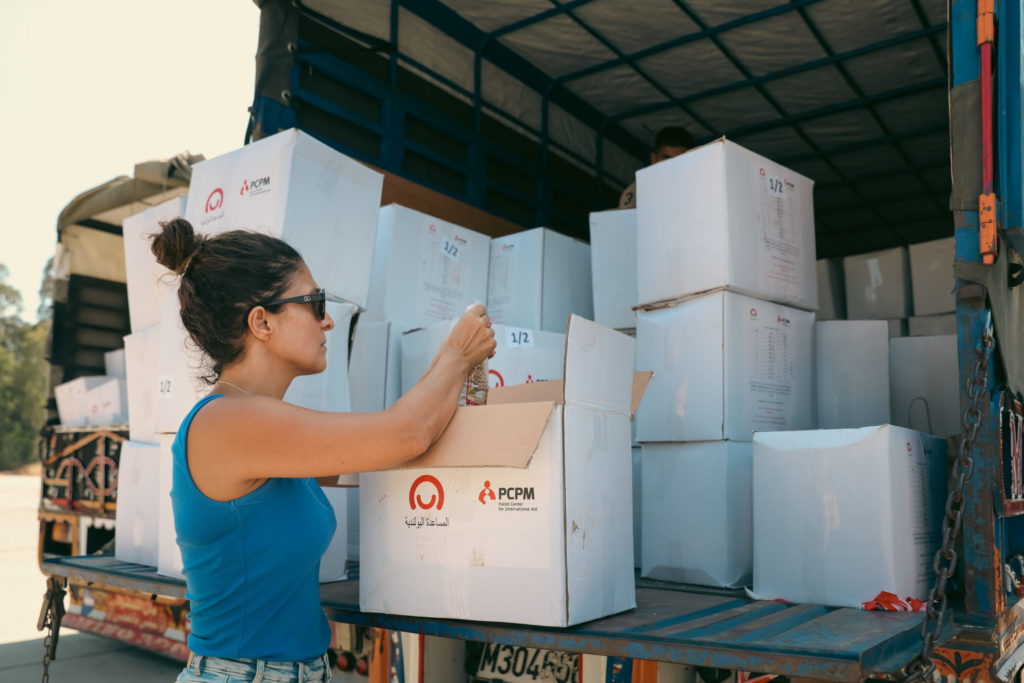
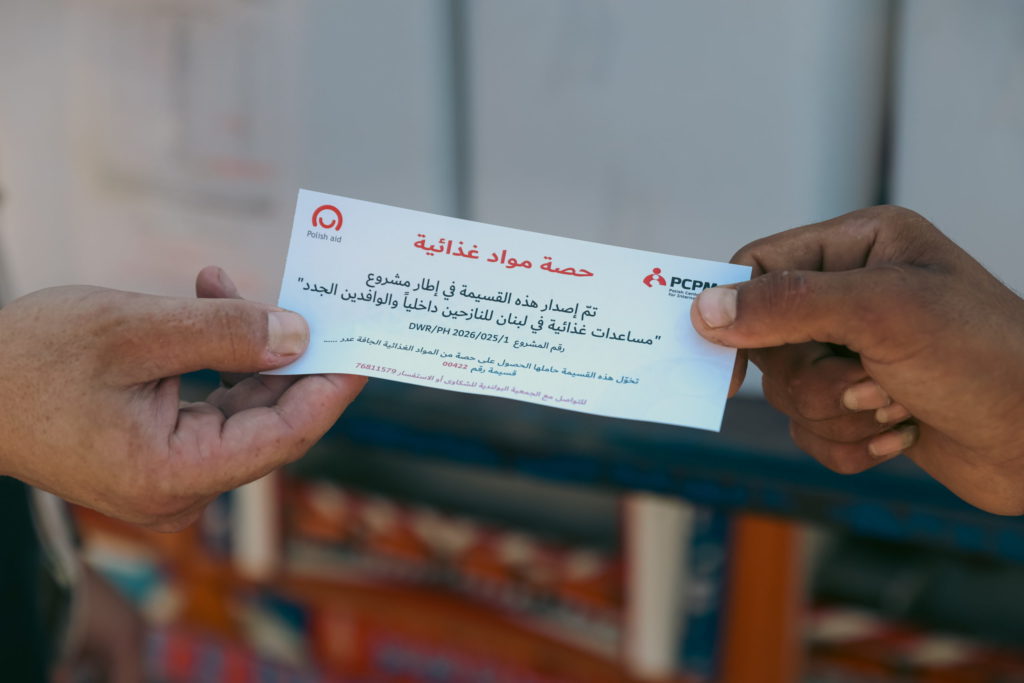
In Lebanon, we continue providing humanitarian assistance to families most affected by the consequences of the conflict. Thanks to funding from the Polish Aid programme of the Ministry of Foreign Affairs, PCPM has carried out another distribution of food parcels for internally displaced people.
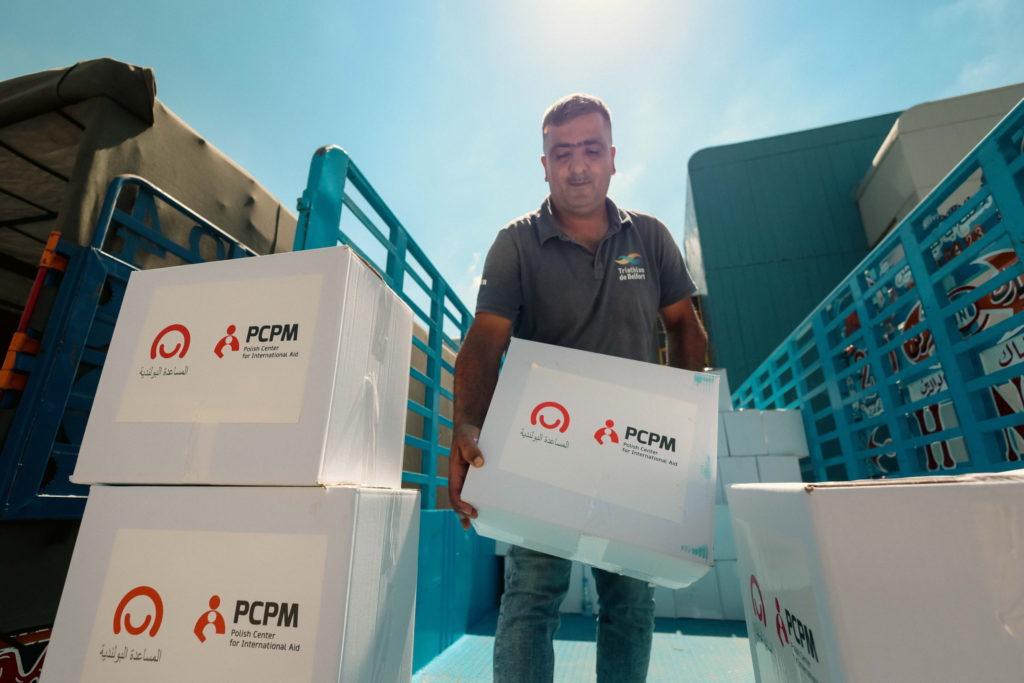
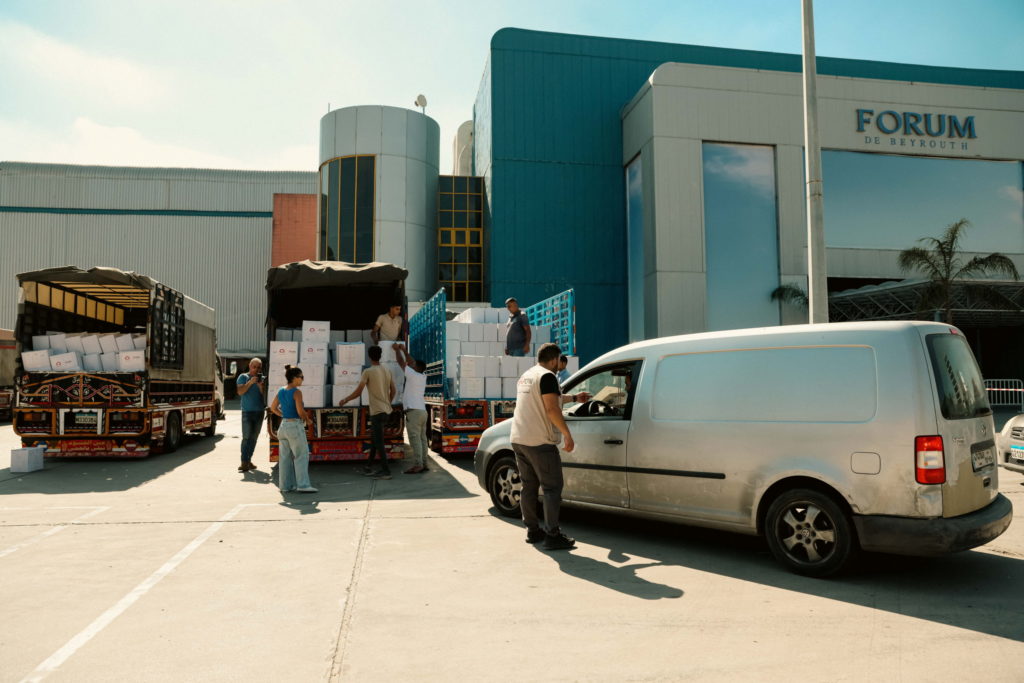
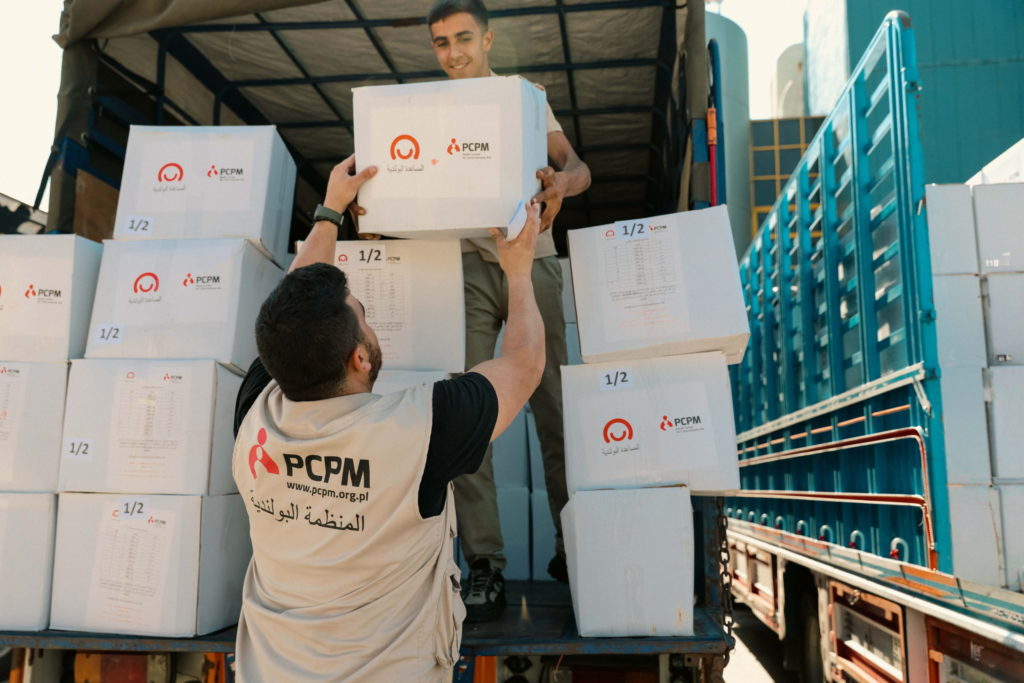
This time, 30-kilogram packages containing basic dry food products reached around 1,200 families in Beirut. For many of them, after losing their homes, sources of income, or stable living conditions, this support is essential to meet their daily needs and survive this difficult period of crisis.
To ensure that assistance reaches those most in need quickly and effectively, we purchase products locally wherever possible. In this way, we not only respond to the most urgent needs of residents but also support local suppliers and communities that are themselves facing the consequences of the prolonged crisis.
Why is assistance still needed?
We have been present in Lebanon for many years, implementing both development and humanitarian projects. When the country was once again affected by bombings, thanks to the support of our donors we were able to quickly launch assistance for those who needed it most.
Although nearly a month has passed since the signing of the latest ceasefire agreement, the situation in many parts of the country remains highly unstable. In southern Lebanon, shelling, airstrikes, demolitions, and controlled explosions continue to occur. Recently, the destruction of border communities has intensified, further threatening residents’ safety and delaying reconstruction efforts.
For many families, the conflict remains part of everyday life. The return of residents to their places of origin is progressing slowly, as before making a decision they must assess the security situation, the scale of destruction, and the availability of basic services such as healthcare, water, and electricity.
According to data from the Lebanese Ministry of Public Health, since 2 March:
- at least 4,321 people have been killed;
- 12,204 people have been injured.
According to OCHA data:
- approximately 732,594 people have returned to their places of origin;
- around 430,000 people remain displaced;
- among them, 33,343 people are staying in 325 collective shelters.
The return home and a return to normal life are hindered by extensive damage to roads and bridges, which limits movement. Damaged roads, healthcare facilities, water and sanitation systems, and electricity networks mean that many families still do not have the conditions needed for a safe and sustainable return. Another major obstacle is the lack of sufficient financial resources, combined with rising prices of fuel and even basic food products.
In Akkar Governorate, where part of the PCPM team is based, 883 displaced families remain, representing a total of 3,395 people. Among them, only seven families (95 people) are still living in three collective shelters, showing the gradual process of returns and the changing situation of displaced people.
Food as a fundamental form of humanitarian assistance
Food assistance remains one of the most important elements of humanitarian support for families affected by the consequences of conflict. For people who have lost their sources of income or who remain displaced, access to basic food products means the ability to meet their most urgent needs and regain a sense of security.
Regular food support also reduces the need to resort to so-called negative coping strategies. In a prolonged crisis, many households are forced to reduce the number of meals they eat, take on debt, sell their belongings, or give up spending on healthcare or children’s education in order to secure basic means of survival.
By providing food assistance, we help families avoid such difficult choices, strengthen their resilience to the effects of the crisis, and give them the opportunity to gradually rebuild their daily lives.
This is another, but not the last, food assistance distribution carried out by PCPM, made possible thanks to funding from the Polish Aid programme of the Ministry of Foreign Affairs.
See how our team works every day unloading and distributing food parcels to families in need in Lebanon: