“We’re showing that someone cares about them.” Polish Aid in Ukraine
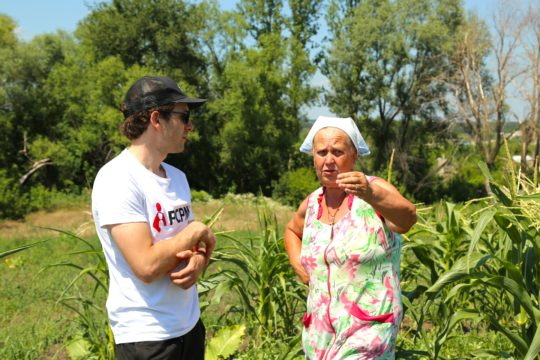
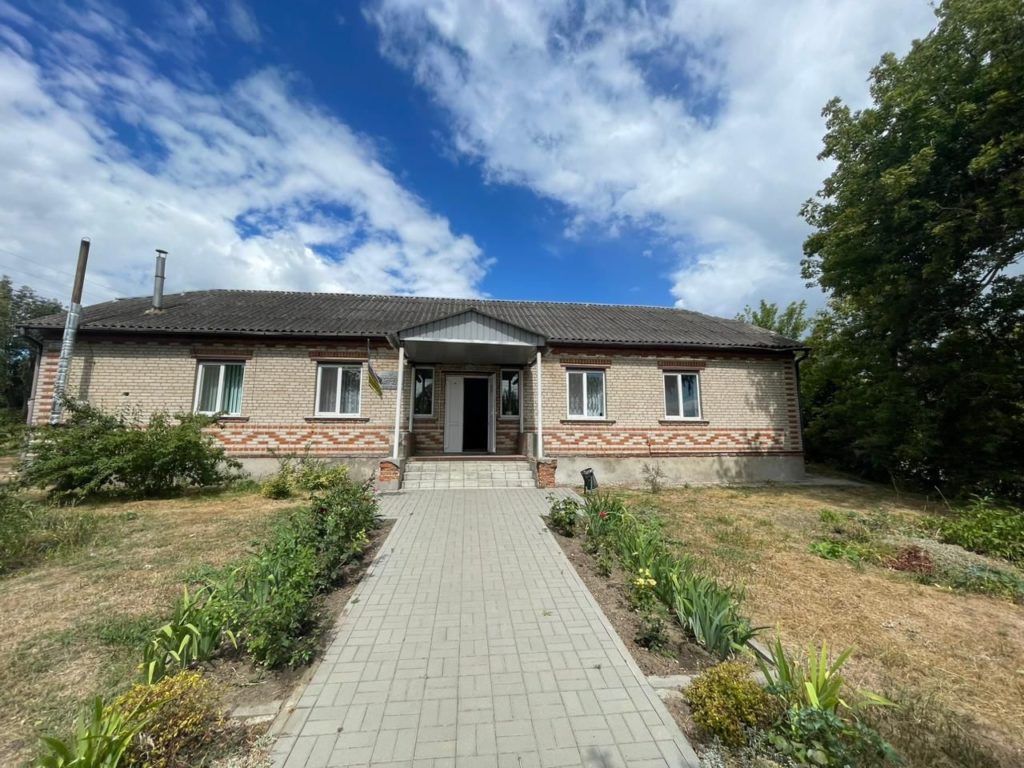
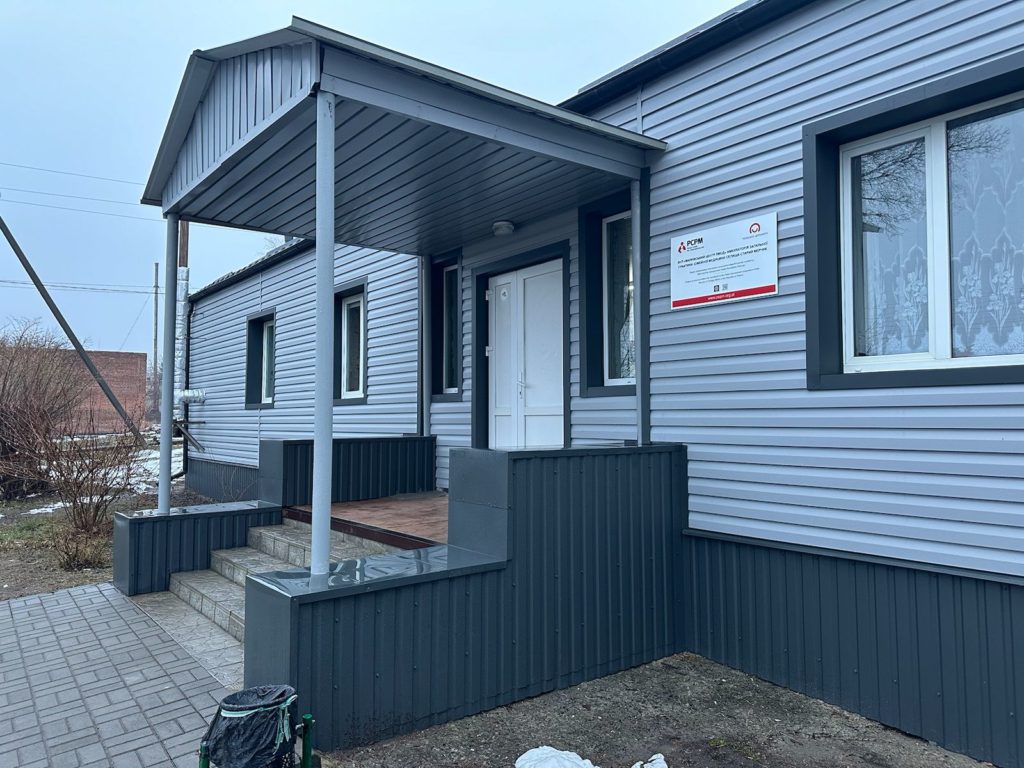
The Polish Centre for International Aid has renovated 15 medical facilities in Ukraine using funds from the Polish Aid programme. “However, this project has a much greater significance than the reconstruction itself. We are showing that even if you live just a few kilometres from the front line, you are not alone,” says project coordinator Michał Kulpiński.
When did you decide to support the healthcare sector in Ukraine?
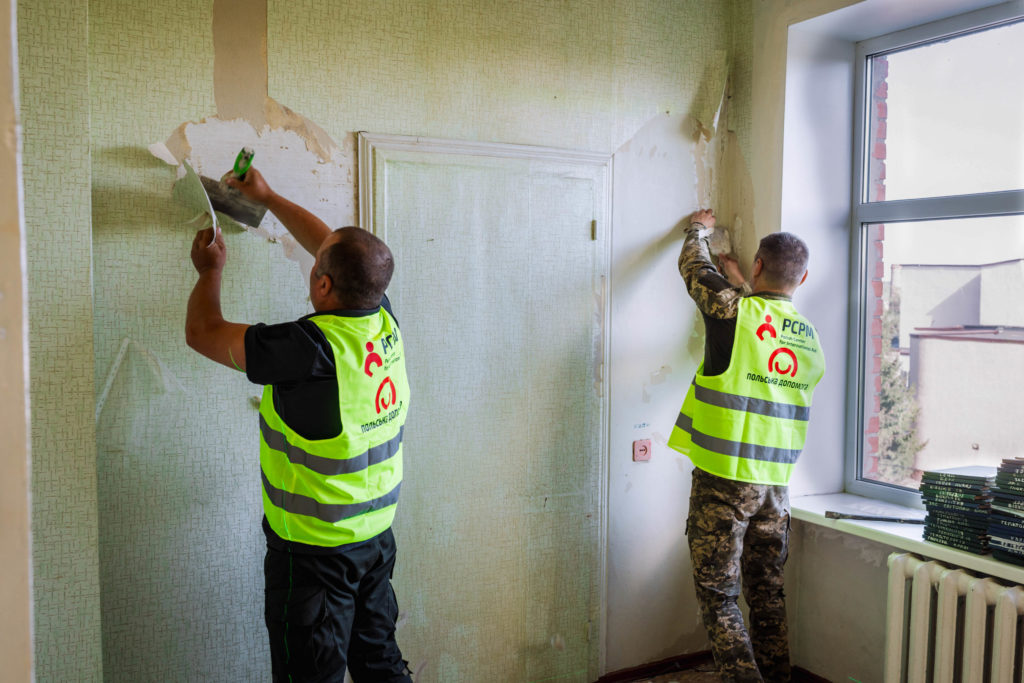
Michał Kulpiński: In 2024, as part of the Polska Pomoc project. It was a natural step. After 2022, we had mainly been involved in rebuilding and renovating homes damaged by shelling, so we decided that this experience could be put to use in the healthcare sector.
It wasn’t just about facilities destroyed by the war. In many cases, these were places that had simply been in need of renovation for years so that they could provide services to an adequate standard.
So you went in and started the renovations?
The renovations were only part of the whole picture. From the outset, we wanted to take a comprehensive approach.
We modernised the buildings, but at the same time we adapted them to the needs of people with disabilities, in accordance with Ukrainian regulations. On top of that, there was the issue of furnishings: medical equipment and furniture.
And one more thing: the people. We organised training for staff to ensure that improvements to the infrastructure were matched by improvements in the quality of service.
How extensive was the operation?
We reached 15 facilities. These were mainly small clinics in rural areas, so-called paramedic and midwifery posts.
But we also worked in three hospitals: in the Poltava and Kharkiv regions, partly in the de-occupied areas, and in the Kherson region. And that was a completely different world.
Different, meaning?
Kherson is practically on the front line. There are Russian troops on the other side of the river, and the city is regularly shelled.
In contrast, the Poltava region. It’s relatively calm there. Air raids do happen, but rarely and usually not near the facilities we were renovating.
How many people actually benefited from these efforts?
It’s hard to give exact figures, as the demographic situation in Ukraine is very dynamic. But we estimate that the improvement in service quality could have benefited as many as 150,000 people.
In a country that is becoming depopulated, does investing in small rural clinics make sense?
It does, and very much so.
Because there are still people there. Mostly elderly people with health problems. Added to this is transport exclusion. Access to a doctor is difficult, and an ambulance takes much longer to arrive.
Demographic problems do not reduce needs; they merely complicate them.
Let’s go back to Kherson. Working there must be a completely different challenge, surely?
Yes, although we’d actually been operating there since practically the moment the city was liberated. Among other things, we were delivering hygiene kits.
However, within the project itself, the biggest problem turned out to be something else: a lack of staff.
We were unable to persuade the management to send staff away for training. They simply cannot leave their patients. They are overworked and deal with very serious cases every day.
What sticks in your mind most after such projects?
The scale of the changes and how different things look depending on the location.
In a small clinic, a relatively modest budget can completely transform conditions. In a large hospital, for the same amount of money, you might renovate part of a ward or a single laboratory.
The impact is there, but it’s distributed differently.
And the reactions on the ground?
What stands out most is the gratitude, particularly in the Kherson region.
It’s a region few people want to visit. Close to the front line, partially occupied, underfunded. Resources are scarce, and initiatives even scarcer.
That’s why projects like this mean more than just infrastructure.
More significant in what way?
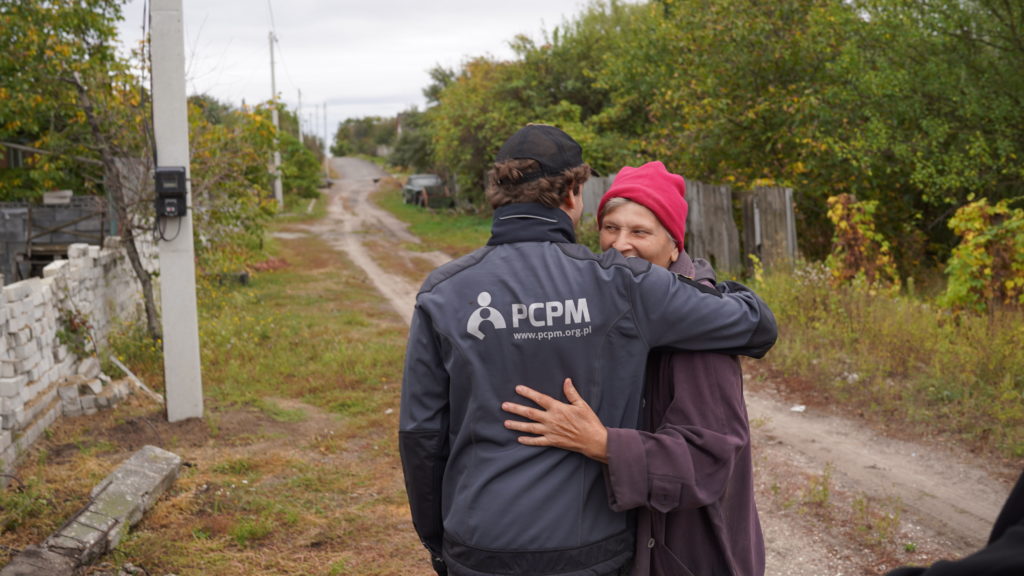
They show people that someone remembers them.
That even if they live a dozen or so kilometres from Russian positions, they are not left to fend for themselves. That this is not a forgotten part of the country.
This was evident. In the reactions of the staff, the residents, but also the local and regional authorities, who came in person to see the results.
It boosts morale. And in places like this, that matters enormously.